
Last updated November 15, 2026
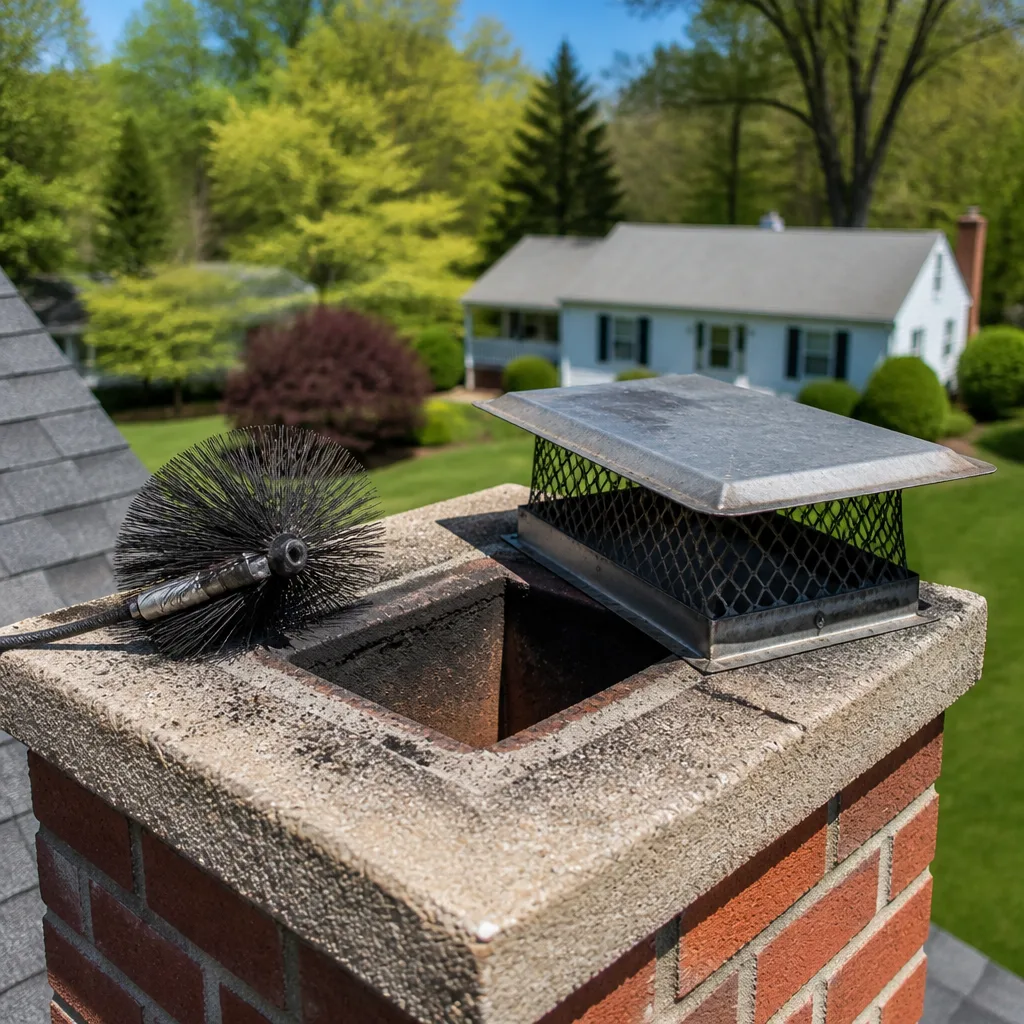 Sweep & inspection
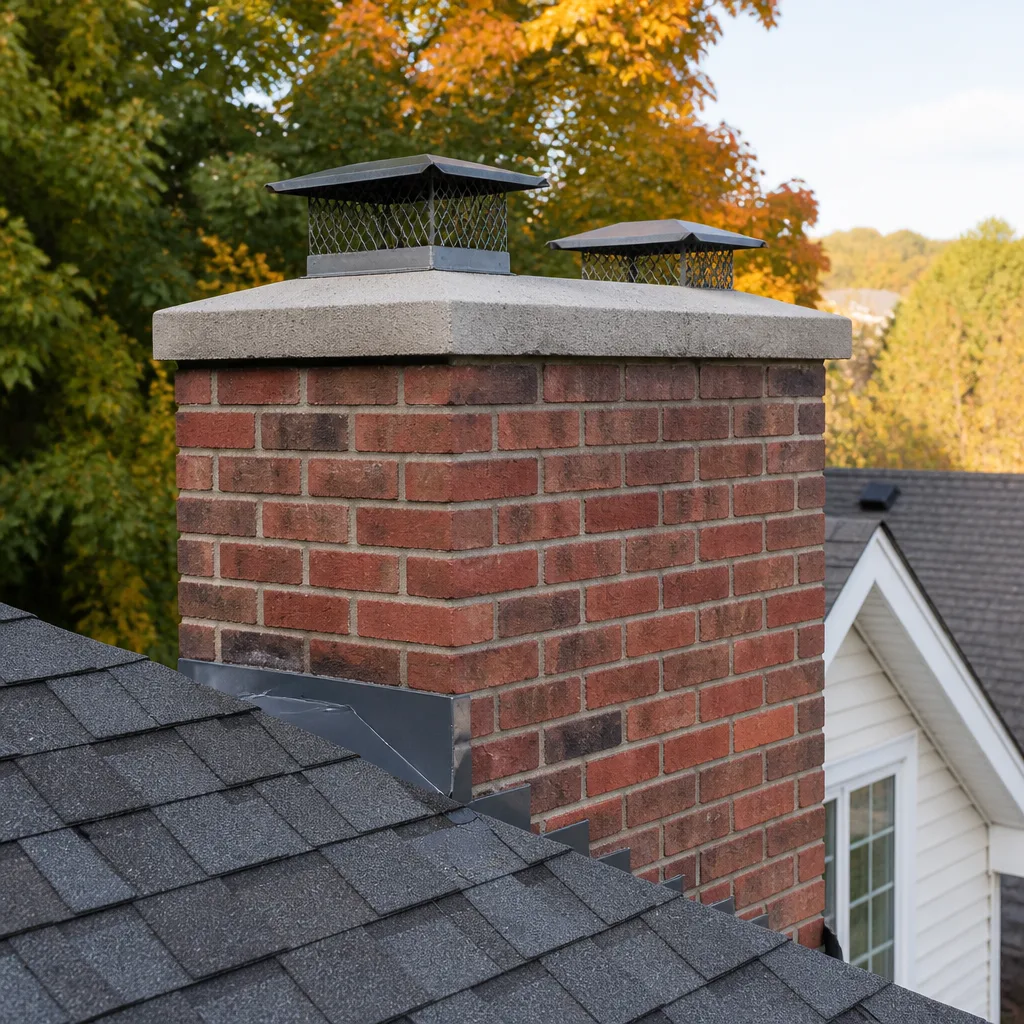 Caps & crowns
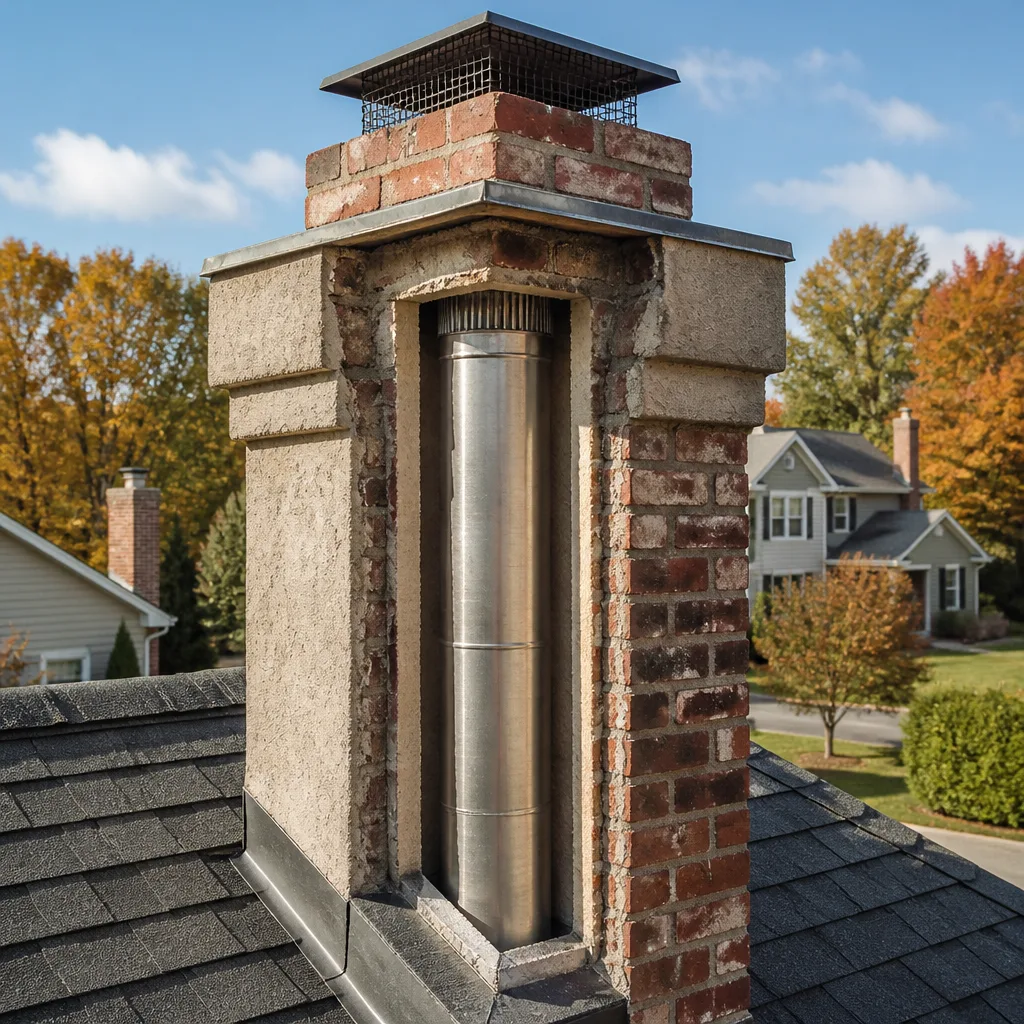 Flue relining
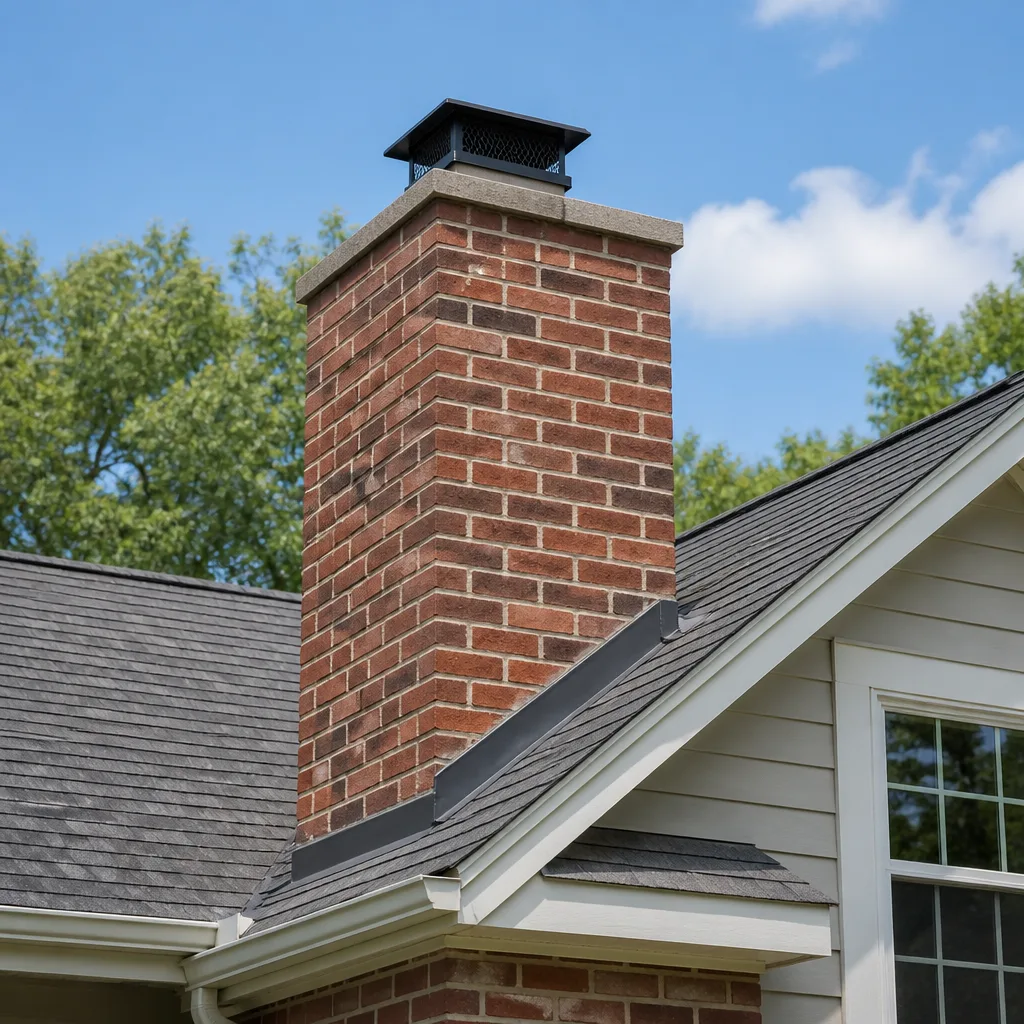 Masonry repair
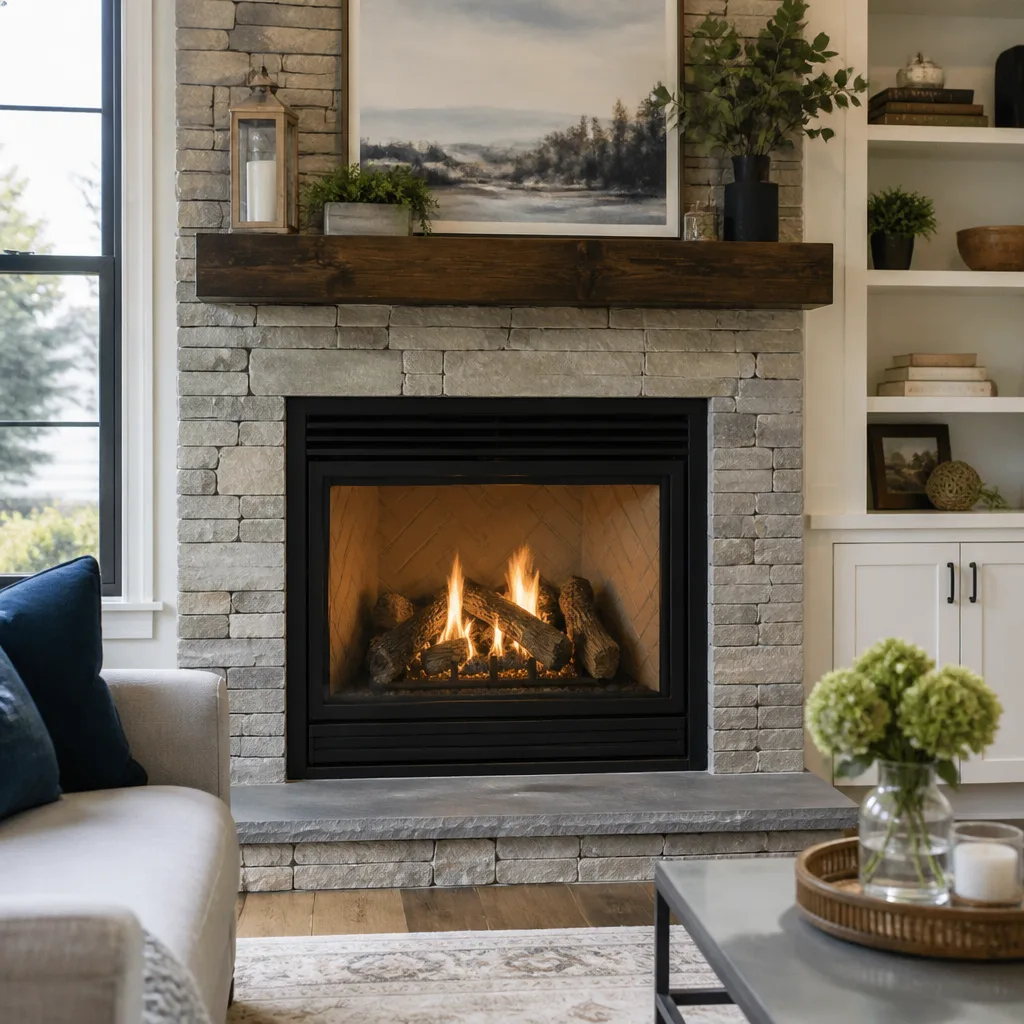 Gas fireplace service
Level 1 sweep and inspection to the NFPA 211 annual standard - flue, crown, cap, and flashing checked and photographed
Chimney sweep logs do not sweep chimneys. They loosen some creosote - which then falls where a brush and vacuum still have to collect it.
The Complete Guide to Chimney Cleaning in St. George
Most chimney fires don’t start because a homeowner skipped a cleaning. They start because the cleaning that did happen stopped at the flue and missed the glazed creosote shelf sitting above the smoke chamber. That single gap explains a lot about why two sweeps can look identical on the invoice and leave your home in completely different condition. In St. George, the gap widens further: low desert humidity and a short, hard burn season push creosote into its glazed stages faster than most national guides assume, and masonry dries and cracks in ways that coastal or humid-climate advice never addresses. This guide maps what a genuinely complete sweep covers, from crown to firebox, and why the local environment changes the standard protocol.
Quick Answer
A complete chimney cleaning in St. George includes brushing and vacuuming the full flue, removing creosote from the smoke chamber and smoke shelf, checking the firebox and damper, inspecting the crown and cap, and confirming draft. The desert climate here accelerates glazed creosote formation and masonry cracking, so an annual sweep paired with a Level 2 inspection is the working standard for any fireplace that sees regular use. Anything short of that is a partial cleaning, not a chimney cleaning.
Styles & brands we work with
- Sweep & inspection
- Caps & crowns
- Flue relining
- Masonry repair
- Gas fireplace service
Table of Contents
- Why St. George’s Climate Changes the Cleaning Protocol
- The Five Structural Zones of a Complete Cleaning
- Understanding Creosote Stages and Why Glazed Creosote Matters Most
- Gas Fireplace Inserts Still Need Annual Cleaning
- Level 1 vs. Level 2 Inspections: What NFPA 211 Requires
- The 45-Minute Sweep vs. the 2-Hour Sweep
- How Often Should You Schedule a Cleaning?
- What You Can Check Yourself and Where to Stop
Why St. George’s Climate Changes the Cleaning Protocol
St. George sits in a low-humidity desert basin where summer temperatures routinely push past 100 degrees and winter air stays dry. That combination does two things to a chimney that humid-climate guides never account for. First, it changes how wood burns. Firewood cured in desert air can read dry on the surface while holding moisture deep in the core, and that residual moisture produces more smoke, more unburned vapor, and faster creosote condensation on flue walls. Second, it changes how masonry behaves. Clay tile liners and mortar joints expand and contract through wide daily temperature swings, and the same dry air that keeps a basement from mildewing here also pulls moisture out of mortar, leaving hairline cracks that widen season after season.
The burn season in St. George is short but intense. Many households don’t light a fire until December and stop by February, which means the total volume of smoke a chimney sees is lower than in colder climates. That’s exactly what makes the local creosote pattern tricky: fewer burns, but each burn tends to be a hot, fast fire on possibly under-seasoned wood, and the residue that forms is more likely to be glazed than powdery. A sweep that assumes a light, powdery flue because the season was short can miss the hardest deposits entirely.
We’ve seen this pattern repeat across the St. George valley, from homes near the red rock benches to older houses closer to downtown. The climate doesn’t just affect how much creosote forms. It affects where it forms and what it takes to remove it.
The Five Structural Zones of a Complete Cleaning
A chimney is not a single tube. It’s a stack of components, and creosote, soot, and debris collect differently in each one. A complete cleaning addresses all five zones in sequence. Skipping any zone leaves a fire hazard behind, even if the flue itself looks spotless from the top.
- The crown and cap. The crown is the concrete or masonry slab at the top of the chimney. In St. George’s freeze-thaw and sun-exposure pattern, crowns crack and spall, letting water into the flue. The cap keeps rain, birds, and debris out. A complete sweep checks both before any brushing begins, because a cracked crown means the cleaning needs to be followed by repair, not just a note on a clipboard.
- The flue liner. The clay tile or stainless liner is what carries smoke and gases out of the house. Brushing removes soot and loose creosote, but glazed Stage 3 creosote often requires chemical treatment or mechanical rotary cleaning. Inspecting the liner for cracks, gaps, and offset joints is part of the same pass.
- The smoke chamber. This is the tapered space directly above the damper and below the flue. It’s where the smoke shelf sits, and it’s the single most-missed zone in a fast sweep. Creosote accumulates on the sloped walls of the smoke chamber in a thick, gummy layer that a flue brush never touches. In our experience, this is where most of the dangerous buildup in a St. George chimney actually lives.
- The damper and firebox. The damper needs to open, close, and seal properly. The firebox masonry needs to be checked for cracks, loose mortar, and heat damage. A firebox that’s spalling or cracked can let heat reach framing materials behind it.
- The appliance connection. For a wood stove or insert, the flue collar and any connecting pipe need to be checked for tightness and creosote accumulation. Gaps here bypass the flue entirely and vent smoke into the room.
Each zone gets cleaned, then checked. The check is what separates a sweep from a diagnostic.
Understanding Creosote Stages and Why Glazed Creosote Matters Most
Creosote forms when unburned wood gas condenses on cooler flue surfaces. It starts as a light, flaky deposit and progresses through stages as more smoke passes over it. The stages matter because each one requires a different removal method, and the later stages are the ones that actually cause chimney fires.
- Stage 1: Soot and light flaky creosote. Removed with a standard flue brush. This is what most people picture when they think of a chimney sweep.
- Stage 2: Crusty, hardened creosote. Requires a stiffer brush or rotary tool. Common in St. George because short, hot burn seasons concentrate deposits rather than spreading them thin.
- Stage 3: Glazed creosote. A hard, shiny, tar-like coating that fuses to the liner. A standard brush skips right over it. Glazed creosote is the fuel load that turns a small flue fire into a chimney fire that damages the liner and can spread to framing.
Here’s where the local climate matters most. In a humid climate, a chimney that burns a lot of wood accumulates a thick layer of Stage 1 and Stage 2 creosote that’s relatively easy to brush out. In St. George, a chimney that burns less often can develop glazed deposits because the fires are hotter and the wood may be drier on the surface than in the core, producing smoke that condenses as a denser, stickier layer. That’s a pattern most generic cleaning guides simply don’t address, and it’s the reason a St. George sweep needs to check for Stage 3 deposits specifically rather than assuming a short season means a light flue.
Removing glazed creosote isn’t a brushing job. It’s a treatment job, sometimes combined with a rotary cleaning head, and in severe cases the liner has been compromised enough that restoration or replacement is the honest recommendation. HeatShield ceramic resurfacing can restore a compromised liner in some of those cases without the cost of a full reline. We assess which one is genuinely needed, and only after you’ve seen the camera footage yourself.
Gas Fireplace Inserts Still Need Annual Cleaning
A gas fireplace insert doesn’t produce creosote, but that doesn’t make it maintenance-free. It produces condensation, dust, and in some cases a fine soot that settles on the firebox, burner ports, and venting. In St. George’s dusty desert air, that accumulation happens faster than it does in more humid climates. A gas insert that runs through the winter without annual attention can develop blocked burner ports, a weak flame pattern, and a venting system that no longer drafts correctly.
The bigger issue is what doesn’t get checked. A gas insert has its own venting and its own carbon monoxide risk profile. If the venting has a blockage, a bird nest, or a deteriorated connection, the insert can spill combustion gases into the room instead of exhausting them. An annual cleaning and inspection catches that. It also catches the fine layer of dust and debris that builds up on the glass, the logs, and the burner, which affects both efficiency and appearance.
For homeowners who switch between a gas insert in the shoulder season and a wood fire in the coldest weeks, the annual service should cover both. We clean and inspect the whole system, not just the appliance that’s been lit most recently.
Level 1 vs. Level 2 Inspections: What NFPA 211 Requires
NFPA 211, the national standard for chimneys, fireplaces, vents, and solid fuel-burning appliances, defines three inspection levels. Two of them apply to most homeowners, and knowing which one your situation calls for is the difference between a cleaning and a diagnostic.
- Level 1 inspection. A visual check of the readily accessible portions of the chimney and venting, without tools that could damage the structure. This is the standard inspection that goes with an annual cleaning when the appliance and fuel type haven’t changed and there’s no reason to suspect a problem.
- Level 2 inspection. A more thorough inspection that includes accessible portions of the attic, crawlspace, and any concealed areas, often using a camera to view the interior of the flue. NFPA 211 calls for a Level 2 inspection when a property changes hands, when an appliance or fuel type changes, after an event that could have damaged the chimney (a chimney fire, a seismic event, a severe storm), or when a Level 1 inspection reveals a concern that needs a closer look.
- Level 3 inspection. Reserved for cases where a serious hazard is suspected and portions of the building may need to be opened up to access the chimney. Rare, and usually driven by a specific diagnosis from a Level 2.
For a St. George homeowner who’s just moved into an older house, the Level 2 inspection is the one that matters most. A camera inspection and photo report included with the sweep lets you see the inside of your flue, not just hear a description of it. That’s the difference between a recommendation you can trust and one you have to take on faith.
The 45-Minute Sweep vs. the 2-Hour Sweep
Two chimney sweeps can charge similar amounts and deliver very different work. The difference usually comes down to time, and time is a direct proxy for how many zones actually get addressed.
A 45-minute sweep typically covers the flue and the firebox. Brush goes up, brush comes down, soot gets vacuumed, invoice gets written. It’s a legitimate service in some cases, but it stops before the smoke chamber, skips the crown and cap check, and doesn’t include a camera inspection of the liner. On a chimney with a healthy flue and a light deposit load, that’s fine. On a St. George chimney with glazed creosote sitting on the smoke shelf, it’s not.
A 2-hour sweep covers all five zones, runs a camera down the flue, documents what it finds with photos, and includes time for the inspection that turns cleaning into a real assessment. That extra time is also what allows the repair work to happen in the same visit. If a sweep finds a cracked crown, a deteriorated damper, or a section of liner that needs replacement, the same crew can address it rather than writing up a deficiency list and walking away.
The honest answer is that not every chimney needs the full 2-hour treatment every time. A well-maintained flue with light deposits can often be cleaned and inspected in less time. What matters is that the decision is based on what’s actually in your chimney, not on what fits a fixed schedule.
How Often Should You Schedule a Cleaning?
The general rule is to schedule a chimney sweep at least once a year if you burn wood regularly, and to schedule one before the first burn of the season if you skipped the previous year. For a St. George household, the practical recommendation is annual cleaning and inspection for any fireplace or insert that sees use, with a Level 2 inspection every few years or whenever you move into a new home.
A few local considerations push the frequency:
- Burning wood that isn’t fully seasoned. Desert-cured wood can look dry on the surface and still hold core moisture. If you don’t test your wood with a moisture meter, assume it needs an annual cleaning.
- Burning through a short but hard season. A dense, hot burn season produces glazed creosote faster, which means the flue needs closer attention than a long, slow-burning season would.
- Older homes. A house built decades ago may have a clay tile liner with offset joints, gaps, or hairline cracks that a camera inspection will reveal. The older the flue, the more often it should be inspected.
- Gas inserts. Annual cleaning and inspection, regardless of visible residue, because the risks are invisible.
- Dryer vents. The other high-risk venting system in the home. dryer vent cleaning should happen annually as well, and the two services pair naturally in a single visit.
If you’ve never had either system looked at and you’ve just moved into a St. George home, both should be inspected before the first use.
What You Can Check Yourself and Where to Stop
There’s a short list of things a homeowner can safely check between professional visits. The rest belongs to a trained technician, partly because of the equipment involved and partly because the work is genuinely dangerous when done without it.
- Check the damper. Open and close it. It should move smoothly and seal when closed. A damper that sticks or won’t close fully is worth a call.
- Check the firebox visually. Look for cracked brick, loose mortar, or warped metal. If you see cracks, stop using the fireplace until it’s inspected.
- Check the cap from the ground. Binoculars work fine. A missing or damaged cap is an invitation for birds and debris.
- Check for smoke coming back into the room. If smoke rolls back into the room when you light a fire, the draft is compromised. Stop using the fireplace and call for an inspection.
What you should not do: climb onto the roof to inspect the crown, run a brush down the flue yourself, or attempt to remove creosote from the smoke chamber. Roof work around a chimney involves height and, in some cases, weakened masonry. Creosote removal, especially glazed creosote, requires tools and technique that a wire brush on a pole can’t replicate. And the flue interior can only be assessed with a camera. The risks – falls, structural damage, and the fire hazard of incomplete removal – are not worth the savings.
Common Mistakes to Avoid
- Hiring a sweep who skips the smoke chamber. Two sweeps can look identical and be completely different jobs. Ask whether the smoke chamber and smoke shelf are part of the cleaning. In St. George’s burn pattern, that’s where the dangerous buildup lives.
- Assuming a short burn season means a light cleaning. The local climate produces concentrated, glazed deposits rather than thin, powdery layers. A flue that’s only seen a few weeks of use can still need a full treatment.
- Treating the annual cleaning as a substitute for inspection. Cleaning and inspecting are related but distinct. The inspection is what tells you whether the liner, crown, and firebox are still sound, and NFPA 211 ties the level of inspection to your situation, not to the calendar.
- Ignoring the dryer vent. The dryer vent is the other high-risk venting system in the home, and it needs attention on the same schedule as the chimney. If you only remember one, you’ve only covered half the risk.
- Burning unseasoned wood because it “looks dry.” In St. George’s dry air, surface dryness tells you almost nothing about core moisture. Test it, or expect more creosote.
- Accepting a recommendation without evidence. If you’re told the liner needs replacement, you should be able to see the camera footage that supports it. Ask for it. A trustworthy sweep will show you.
- Waiting until the first cold night to schedule. The appointment that’s easy to get in October is much harder to get the week temperatures drop. Book the sweep before the season starts.
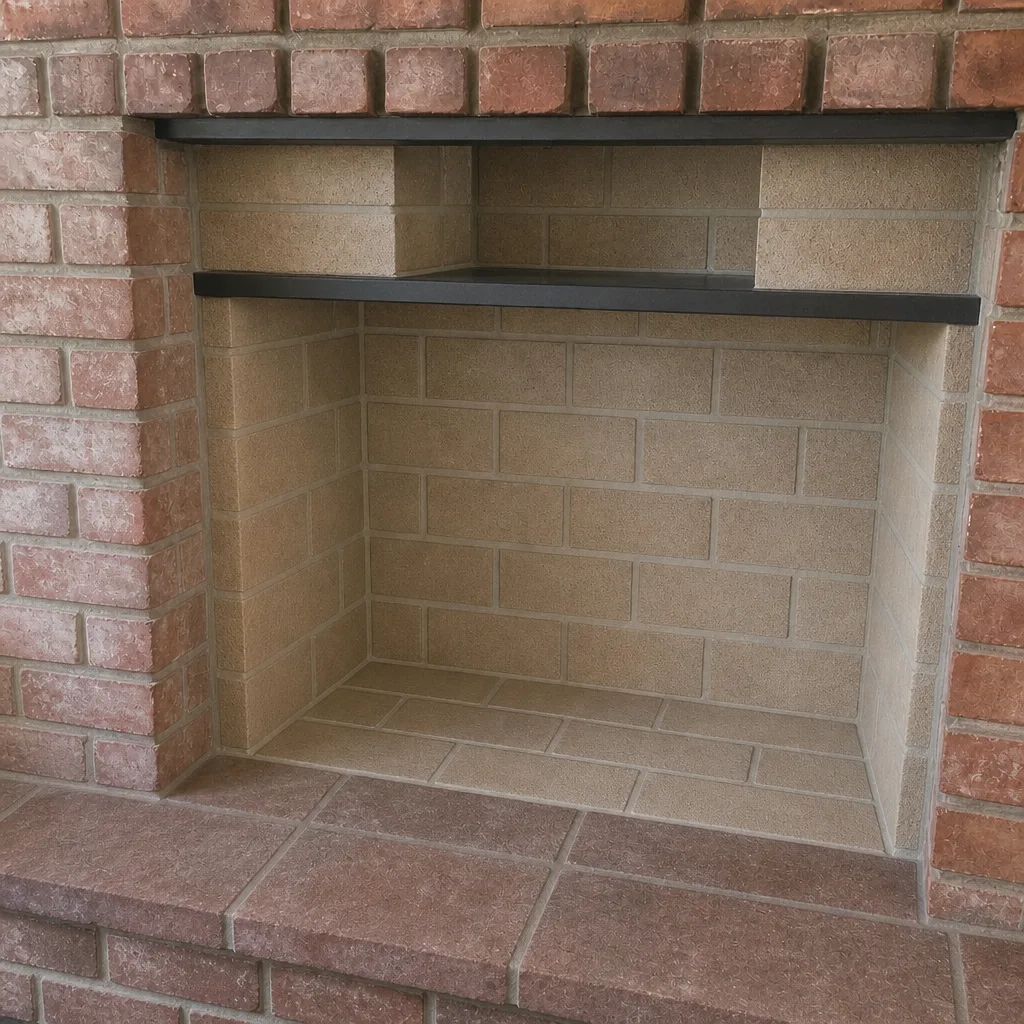
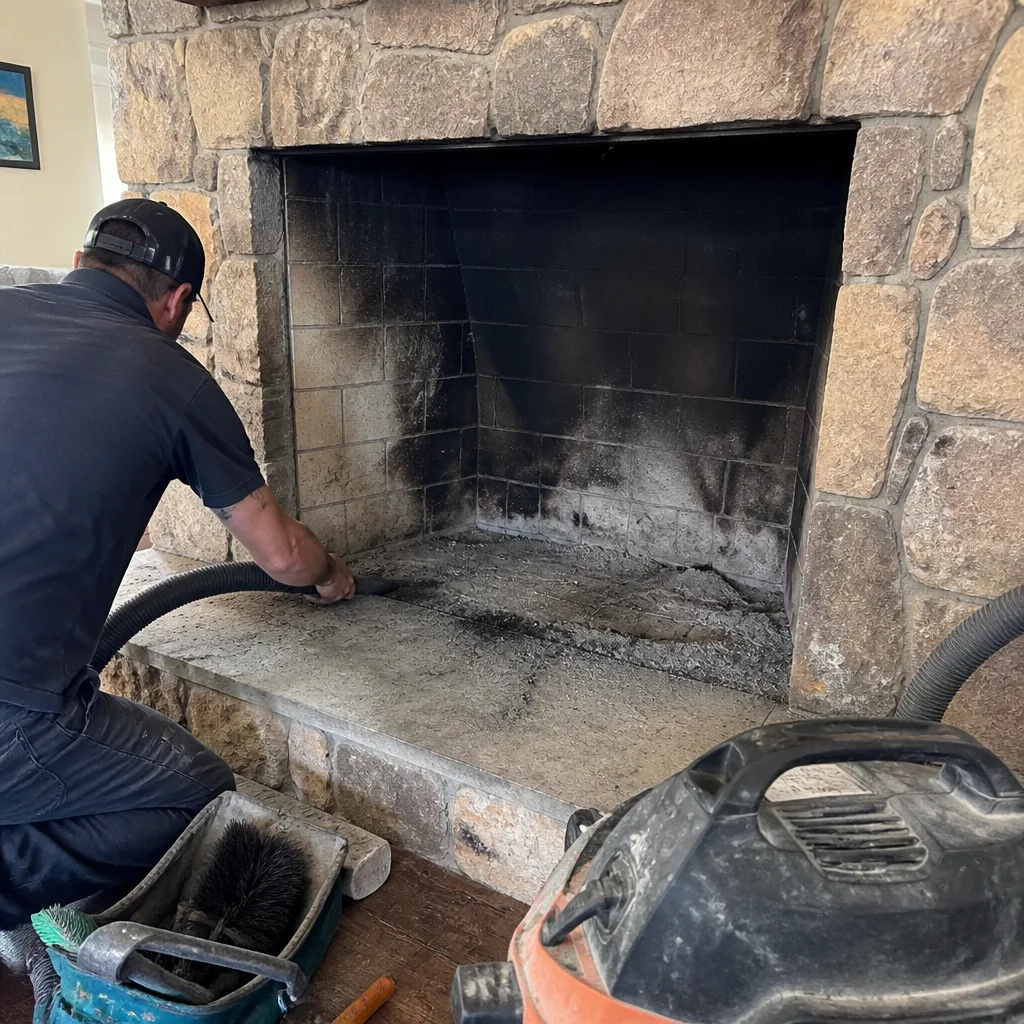
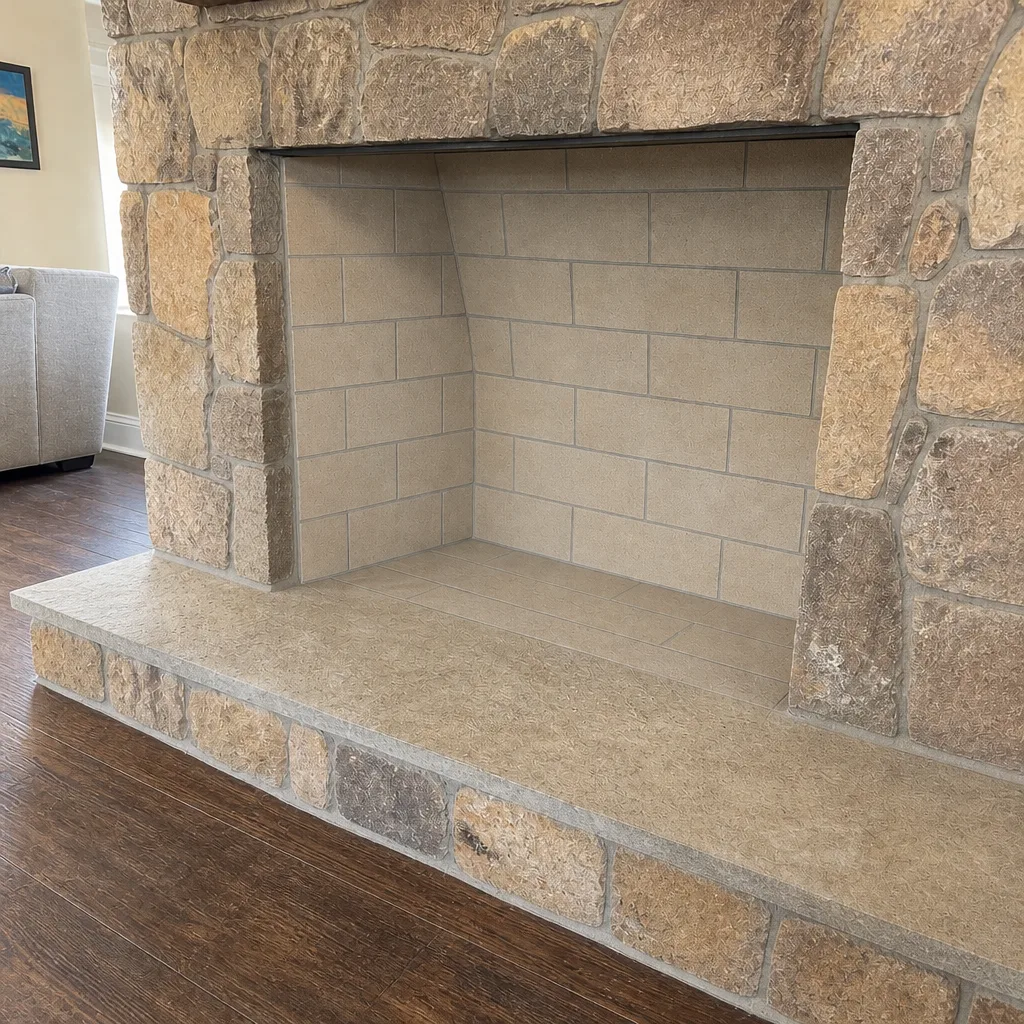
See the difference
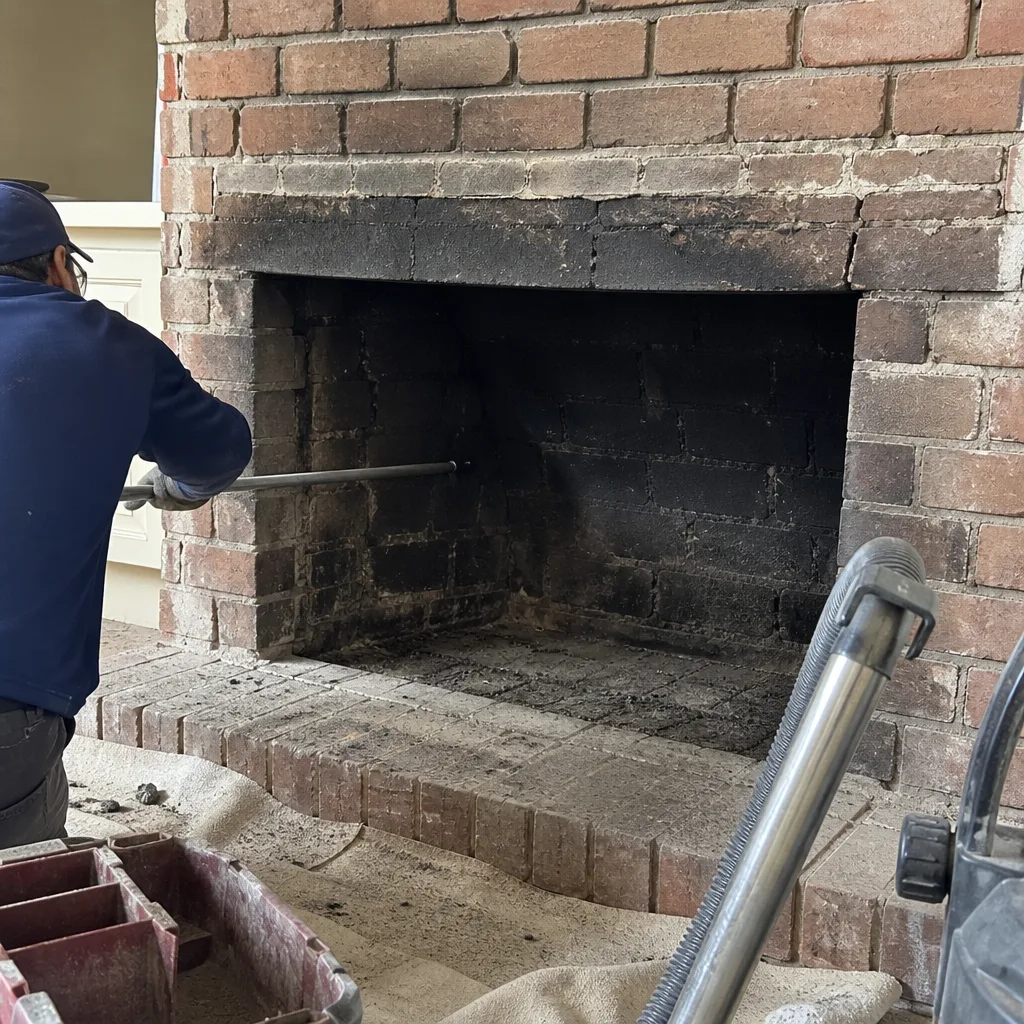 Before
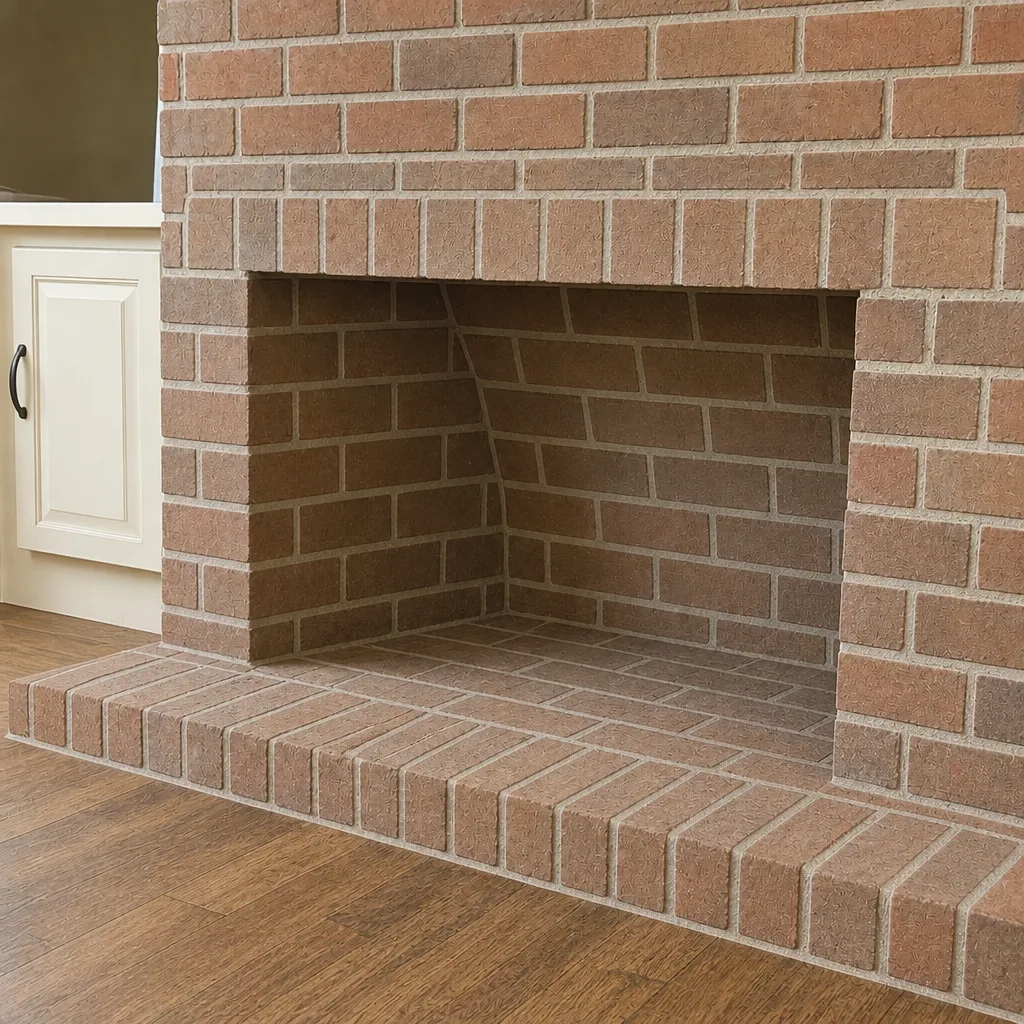 After
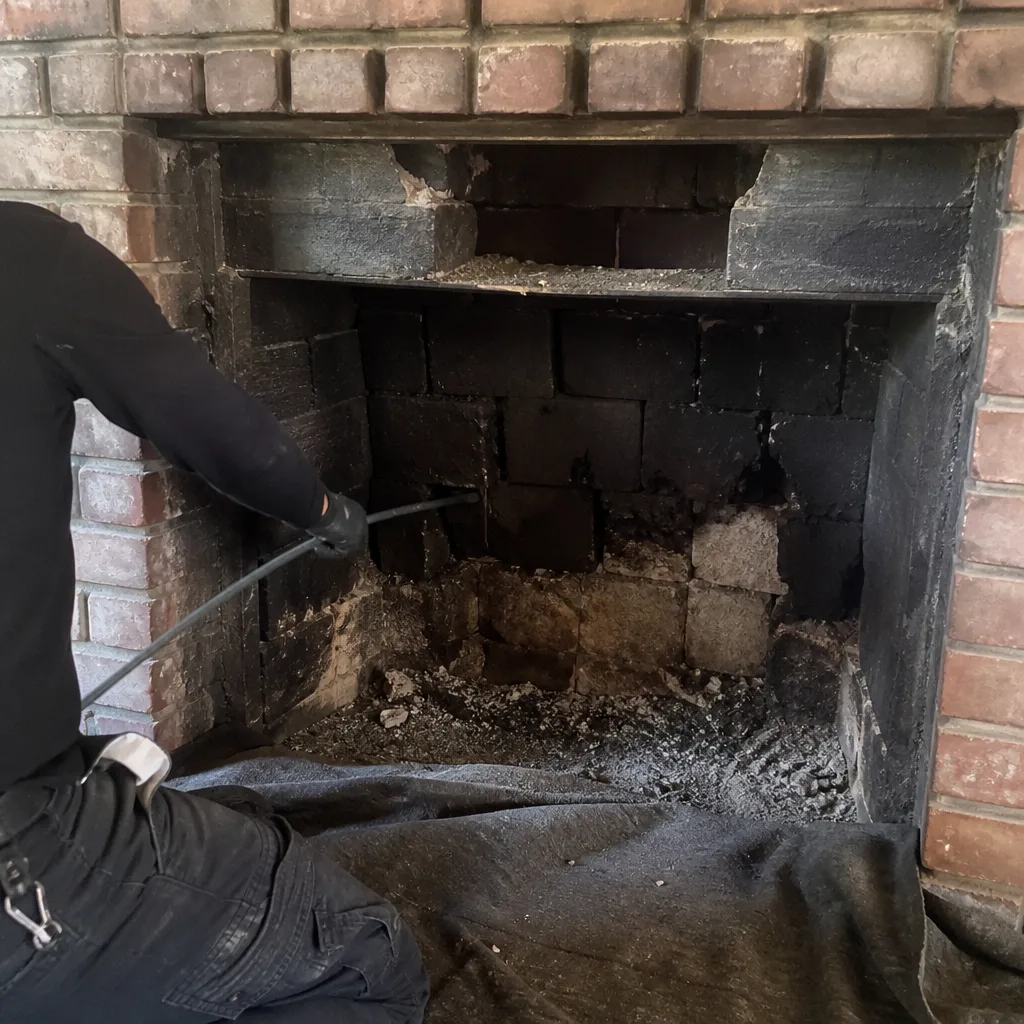 Before
 After
 Before
 After
When to Call a Professional
Call a professional if you’ve just moved into a home with a fireplace or wood stove and don’t know its service history. Call if you’ve burned through a season without a cleaning. Call if you notice smoke rolling back into the room, a damper that won’t operate, cracked masonry in the firebox, or a cap that’s missing or damaged. Call if your dryer is taking longer than it used to, or if the exterior vent flap doesn’t open when the dryer runs. And call if you’ve never had a Level 2 inspection and your home is older than a couple of decades.
The common thread in all of these is the same: something about the system has changed, or you don’t have enough information to know whether it has. A camera inspection settles that question. Glacier Chimney Sweep offers free estimates in St. George – call (877) 327-1971. We answer 24/7. Fast dispatch from 7am to 7pm.
Frequently Asked Questions
Chimney cleaning pricing is set per job by a written estimate, not by a flat rate across the board. The estimate reflects the deposit level, the number of zones that need cleaning, and whether repairs are needed. Call (877) 327-1971 for an exact quote – estimates are free, and the written estimate sets the final price.
Once a year for any wood-burning fireplace or insert that sees regular use, and before the first burn if a previous year was skipped. In St. George, the short but intense burn season and the potential for glazed creosote make annual service the working standard. Call (877) 327-1971 to get on the schedule.
Only if the inspection shows the existing liner can’t safely contain a fire. A cracked, deteriorated, or improperly sized liner needs addressing, but the recommendation should always come with camera footage you can see for yourself. In some cases, HeatShield ceramic resurfacing can restore the liner without a full replacement, and we’ll tell you honestly which one you need. Call (877) 327-1971 to find out.
Creosote accumulates whether or not you notice it, and glazed deposits can ignite into a chimney fire that damages the liner and can spread to nearby framing. The other risk is carbon monoxide: a blocked or damaged flue can let combustion gases into the home instead of venting them out. Neither failure announces itself in advance, which is exactly why an annual inspection matters. Call (877) 327-1971 to schedule one.
Yes. A gas insert doesn’t produce creosote, but it does produce condensation, dust, and fine soot that accumulate on the burner and venting. In St. George’s dusty air, that happens faster than in more humid climates, and the venting needs an annual check for blockages and deterioration. Call (877) 327-1971 for an inspection.
A Level 2 inspection includes a camera inspection of the flue interior and checks of accessible concealed areas, going beyond the visual check of a Level 1. NFPA 211 calls for it when a property changes hands, when the appliance or fuel changes, or after an event that could have damaged the chimney. If you’ve just bought a home in St. George, it’s the one to schedule. Call (877) 327-1971.
The Bottom Line
A complete chimney cleaning in St. George isn’t just a flue brush and a vacuum. It’s a five-zone service that covers the crown and cap, the flue, the smoke chamber, the firebox and damper, and the appliance connection – followed by an inspection that tells you what’s actually sound and what isn’t. The local desert climate makes the glazed-creosote and masonry-cracking patterns more aggressive than most national guides assume, and the short burn season compresses deposits rather than spreading them out. Dryer vents belong on the same schedule. At Glacier Chimney Sweep, we use professional-tier product lines including DuraFlex, HeatShield, Gelco, and Olympia Chimney, so when the inspection finds something, we can fix it in the same visit rather than leaving you with a list. A clean chimney and a safe chimney aren’t always the same thing. We check for both.
Call (877) 327-1971 for a free estimate. We answer 24/7. Fast dispatch from 7am to 7pm, Sunday through Friday. And if you’re looking for the Glacier Chimney Sweep standard of work in your home, that’s exactly what we deliver.
Written by the team at Glacier Chimney Sweep.