
Last updated November 15, 2026
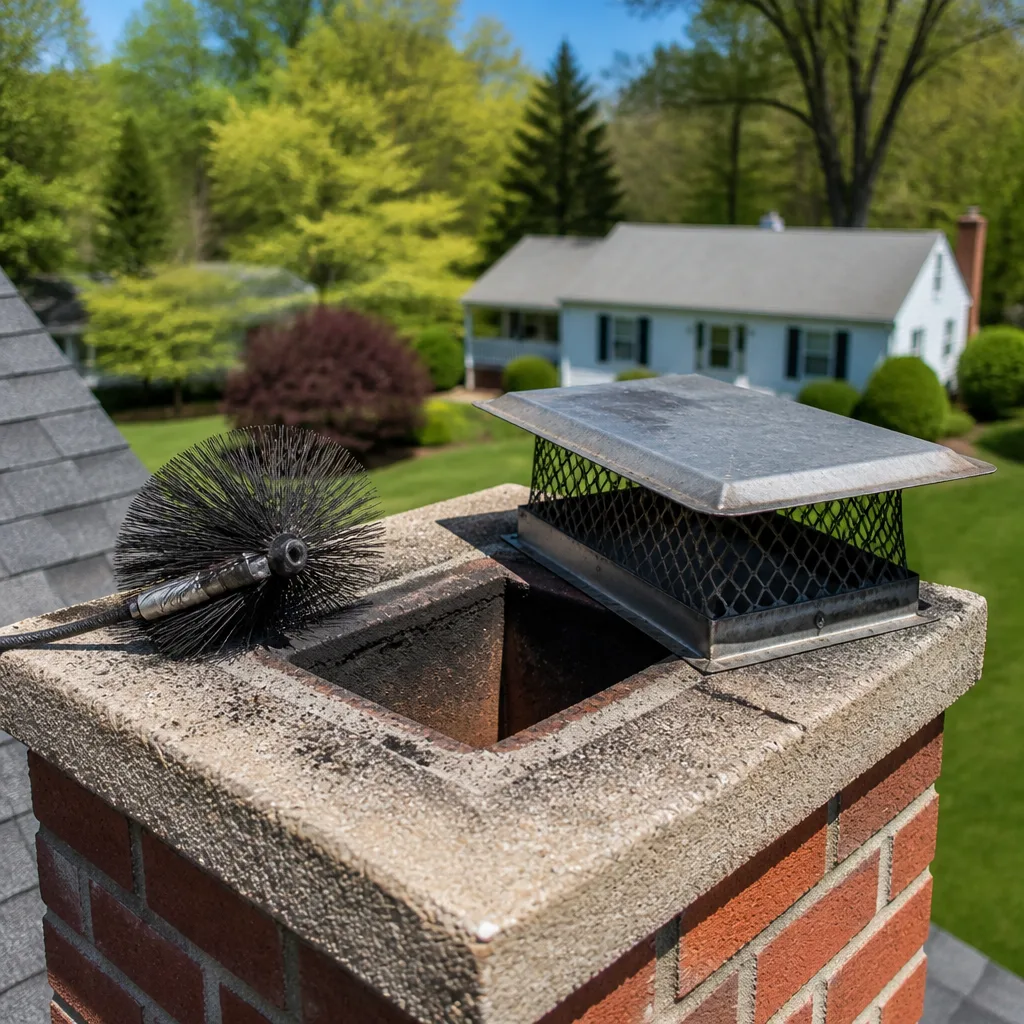 Sweep & inspection
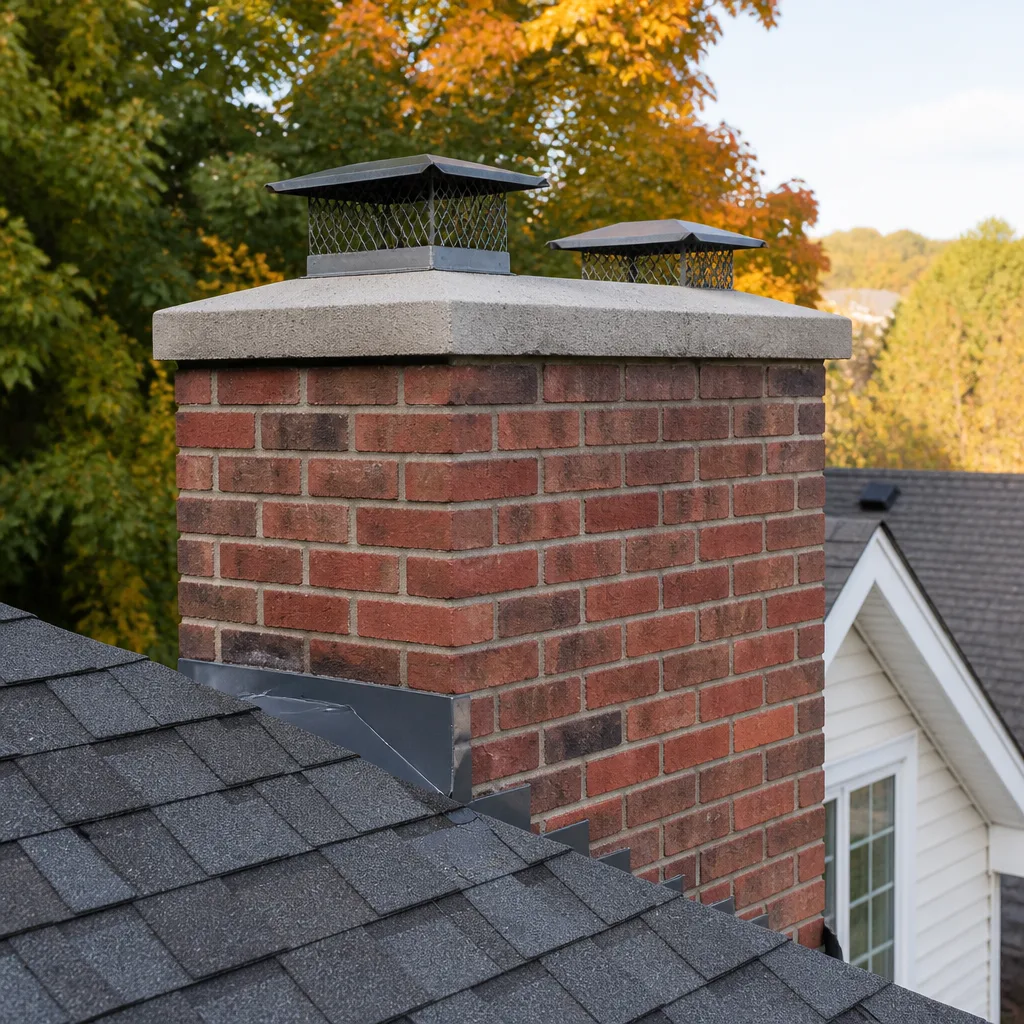 Caps & crowns
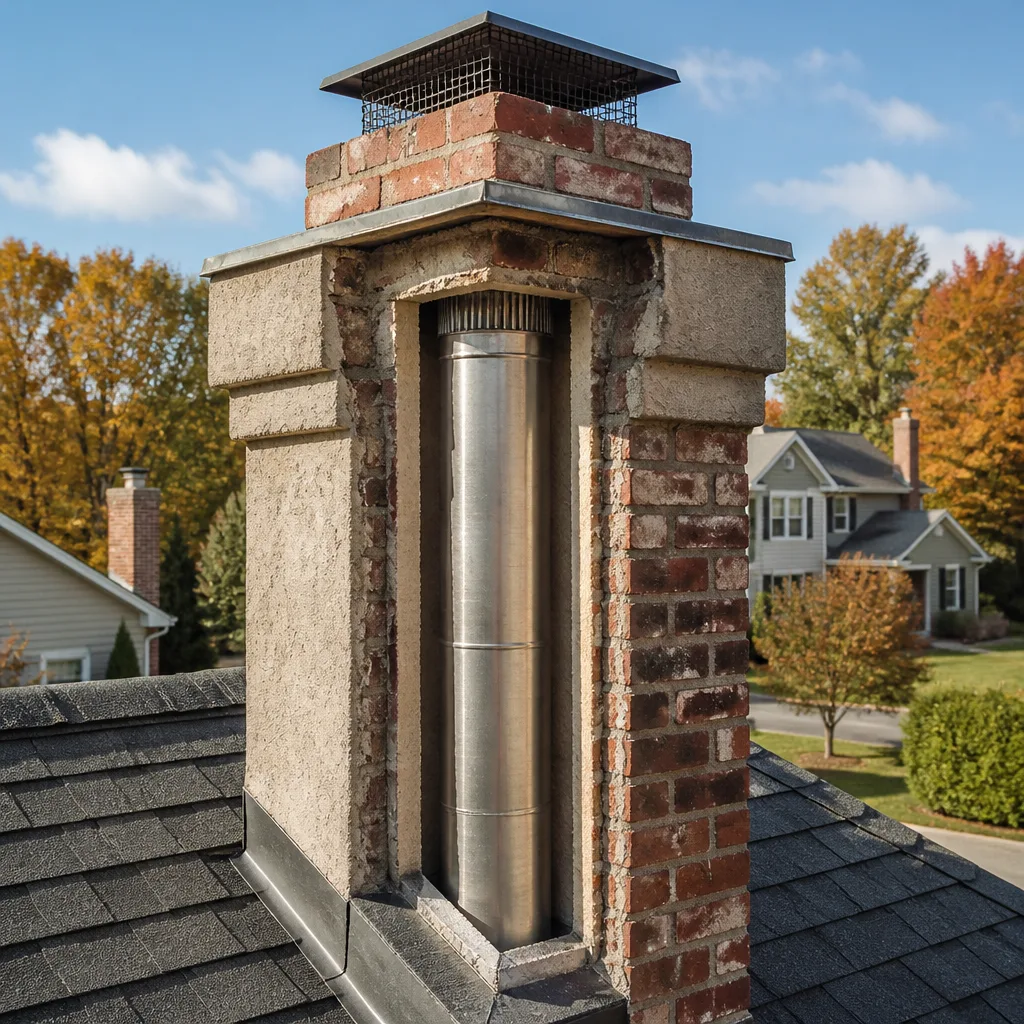 Flue relining
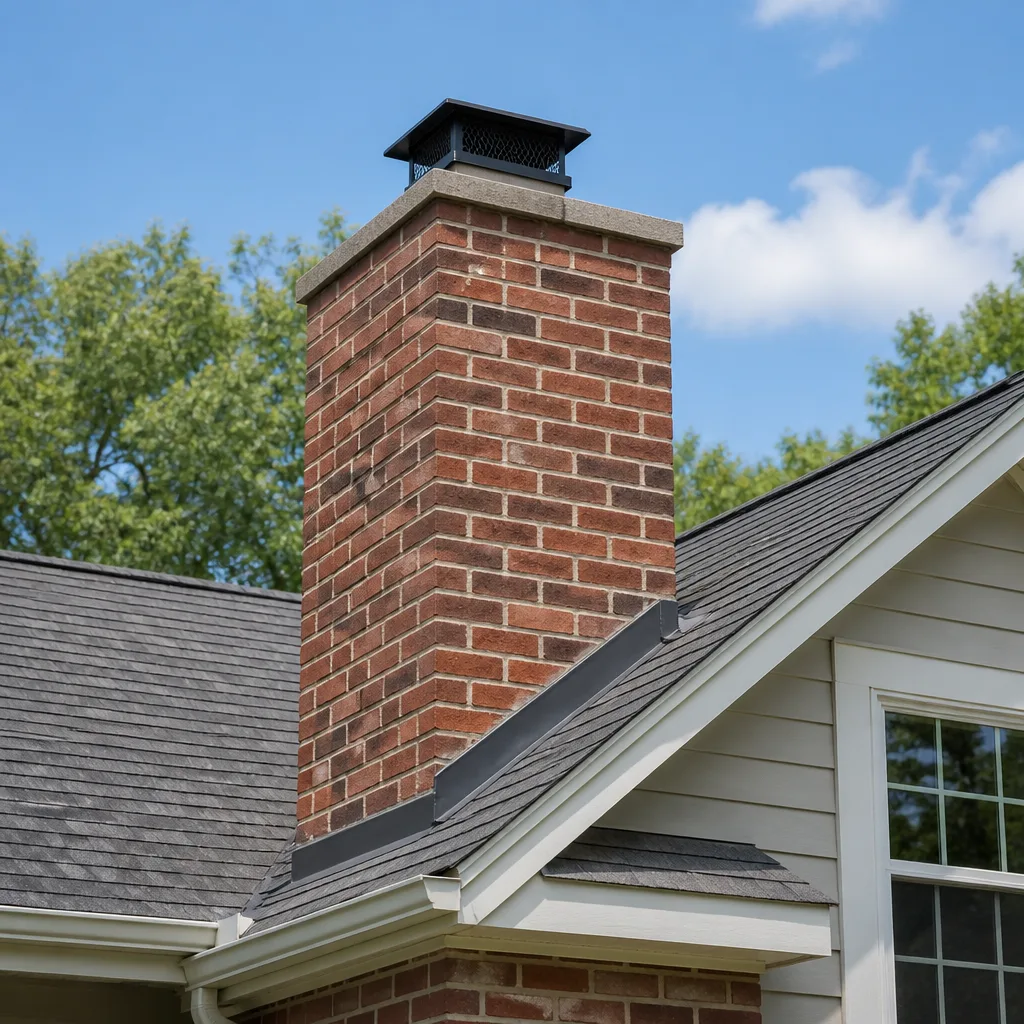 Masonry repair
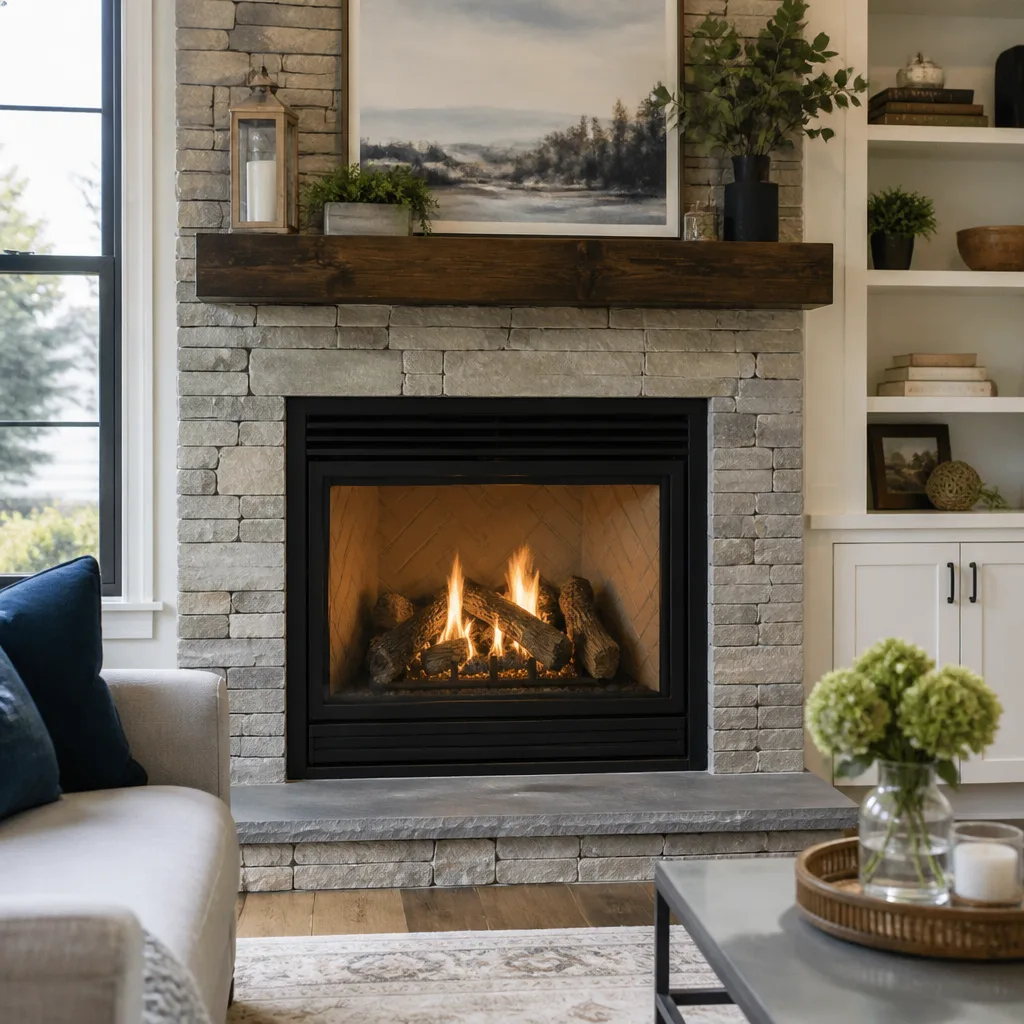 Gas fireplace service
Level 1 sweep and inspection to the NFPA 211 annual standard - flue, crown, cap, and flashing checked and photographed
Chimney sweep logs do not sweep chimneys. They loosen some creosote - which then falls where a brush and vacuum still have to collect it.
Seasonal Chimney Cleaning Care for St. George: Year-Round Homeowner’s Guide
The damage that shows up in November usually started in July. That’s the part most homeowners here don’t see coming. A cracked crown or an open flue cap lets summer monsoon moisture into the chimney for weeks before anyone lights a fire, and by the time the first cold snap arrives, the mortar and flue have already been quietly working against you. Chimney care in St. George isn’t a single appointment in October. It’s a system that runs all year, and each season asks something different of your chimney. This guide lays out what to check and when, from the July heat through the winter burn season, so nothing catches you off guard. We’ll walk through each season in turn and give you a real schedule to work from.
Quick Answer
Seasonal chimney care in St. George means protecting the chimney from summer heat and monsoon moisture, inspecting and draft-testing before the first burn in fall, monitoring creosote and burn quality through the short winter season, and cleaning in spring so corrosive residue doesn’t sit in the flue all summer. The most common mistake is waiting until fall. Damage that forms in July is far cheaper to prevent than to repair in November. Our technicians have up to 12 years of experience reading exactly this kind of seasonal wear.
Styles & brands we work with
- Sweep & inspection
- Caps & crowns
- Flue relining
- Masonry repair
- Gas fireplace service
Table of Contents
- Why St. George Needs Year-Round Chimney Care
- Summer (June-August): Heat, Crowns, and Monsoon Moisture
- The Monsoon Window: Protecting Exposed Flue Openings
- Fall (September-October): Pre-Season Inspection and Draft Testing
- Winter (November-March): In-Season Monitoring and Burn Practices
- Spring (April-May): Post-Season Cleaning and Why Timing Matters
- Your Seasonal Chimney Care Schedule
- Common Mistakes to Avoid
Why St. George Needs Year-Round Chimney Care
Most chimney guidance you’ll find online is written for a climate with a long, damp winter. That advice doesn’t fit St. George. Here the burn season is short, roughly November through March, and the rest of the year is hot and dry with a sharp, wet monsoon in the middle of it. That combination creates a specific pattern of wear, and it’s the reason a single fall sweep isn’t enough.
The heat is the first half of the problem. Summer temperatures in the St. George climate zone push masonry and mortar through repeated expansion and contraction. A chimney crown, which is the concrete cap that sheds water off the top of the chimney, takes the worst of it. Small hairline cracks open in the crown under that thermal cycling. They look harmless in August. Then the monsoon arrives, water finds those cracks, and it works its way down into the flue and the surrounding masonry.
The moisture is the second half. Once water is inside the chimney structure, it doesn’t just evaporate. It sits, it freezes on the occasional cold night, and it slowly breaks down mortar joints from the inside. By the time you notice a draft problem or a stain on the ceiling, the damage has been accumulating for months.
That’s the core argument for year-round care: deterioration doesn’t take the summer off, even though your fireplace does. If you’re new to the area or new to fireplace ownership, our St. George page covers the local basics, and the seasonal schedule below builds on it. The point is simple. Protect the chimney in summer, check it in fall, watch it in winter, and clean it in spring. Every season has a job.
Summer (June-August): Heat, Crowns, and Monsoon Moisture
Summer is when the chimney does its quietest damage. You’re not using the fireplace, so it’s easy to forget the chimney exists. But the heat and the incoming monsoon are working on it every day. This is the season to look at the outside of the chimney, not the inside.
Three components take the most abuse in the St. George summer:
- The crown. The concrete cap at the top sheds water away from the flue. Thermal expansion cracks it, and cracked crowns are the single most common entry point for water. A crown in good shape has a slight slope and no visible cracks. A crown that’s failed will show gaps, crumbling edges, or separation from the flue tile.
- The chimney cap. The metal or mesh cap over the flue opening keeps rain, birds, and debris out. A missing or damaged cap leaves the flue wide open to the monsoon. This is one of the cheapest problems to prevent and one of the most expensive to discover late.
- Mortar joints. The mortar between bricks or stones expands and contracts with the heat. Joints that are receding or crumbling let water in and weaken the structure over time.
A summer inspection is mostly visual from the ground and the roof, and it’s the right time to catch these things. What you’re looking for is water intrusion waiting to happen. Cracks in the crown, a loose or missing cap, gaps in the mortar, or a flue tile that’s cracked or spalling.
If we find a compromised crown during a summer visit, it can usually be repaired before the monsoon does real damage. Waiting until fall, when the water’s already been in for weeks, turns a small repair into a bigger one. And when a flue has taken on moisture damage, resurfacing is sometimes the better answer than replacement. HeatShield ceramic resurfacing can restore a compromised liner without the cost of a full reline, and we’ll tell you honestly which one your chimney actually needs.
The Monsoon Window: Protecting Exposed Flue Openings
St. George’s monsoon runs roughly July through September, and it brings the kind of rain this climate otherwise doesn’t see. For a chimney, the monsoon is the main water-intrusion event of the year. An open or poorly capped flue takes rain straight down into the chimney, and that water does more damage in a few storms than a whole dry summer would.
The protection measures are straightforward, and most of them are about keeping water out of places it doesn’t belong:
- Confirm the cap is present and intact. A proper cap covers the flue opening with mesh sides for ventilation. If it’s missing, storm-blown or rusted through, replacing it before the monsoon is the highest-value thing you can do.
- Check the crown for cracks before the rain starts. A crown that’s cracked in June will channel water into the chimney all through July and August. Sealing or rebuilding it before the monsoon is far cheaper than repairing the flue afterward.
- Look at the flashing where the chimney meets the roof. Flashing is the metal that seals that joint. When it pulls loose or corrodes, monsoon rain runs down the chimney and into the attic or ceiling.
- Watch for water stains after a storm. Stains on the ceiling near the chimney, dampness in the firebox, or a musty smell are all signs water is getting in somewhere. Catch them early.
It’s worth saying plainly: the flue is the vulnerable part, and once water is inside it, the damage compounds. If your chimney has no cap, or the cap is damaged, that’s the first thing to fix going into monsoon season. A cap is a small piece of hardware that prevents a whole season of water intrusion.
Fall (September-October): Pre-Season Inspection and Draft Testing
Fall is when most homeowners think about the chimney, and they’re right to. This is the season to make sure the chimney is ready for the first fire. But a fall visit done well is more than a sweep. It’s an inspection that covers what summer may have changed, plus a draft test to confirm the chimney will actually pull smoke up and out.
Before the first burn, the pre-season protocol should cover these steps:
- Full visual inspection of the exterior. Crown, cap, flashing, and mortar joints, the same items from the summer list, checked again for anything the monsoon season changed.
- Interior inspection of the firebox and flue. Look for cracked flue tiles, gaps in the liner, and any signs of moisture damage. A camera inspection lets you see the flue the way we do, and a photo report means you’re looking at evidence, not taking our word for it.
- Draft testing. This confirms the chimney will pull smoke and combustion gases up and out rather than back into the room. A chimney that blocks or back-drafts is a safety problem, not just an annoyance.
- A sweep if the flue has creosote buildup. If the chimney wasn’t cleaned in spring, there’s likely a season’s worth of residue waiting. Better to clear it now than to burn on top of it.
- Confirm the damper and cap are working. A damper that won’t open fully or close properly affects both draft and heat loss.
The reason draft testing matters here is the short burn season. A chimney that sat unused for seven or eight months can develop a draft problem from debris, a cracked tile, or an animal nest that went unnoticed. Testing before the first fire catches that while the fix is still simple. If your chimney needs a sweep before the season, that’s the moment to book it, so the inspection and the cleaning happen together.
Winter (November-March): In-Season Monitoring and Burn Practices
Once the burn season starts in St. George, it runs roughly November through March, and it’s short. That short season changes how creosote forms, and it changes what you should watch for. You’re not burning every day for five months straight the way a colder climate would. You’re burning on the cold nights and the occasional stretch of cool weather.
That pattern has a side effect worth understanding. Creosote, the tar-like residue that builds up in a flue, forms most heavily when a fire burns cool and smolders. Short, occasional burns with wet wood or a fire that’s damped down too far produce more of it than a hot, clean-burning fire. In a desert climate where the wood supply can vary, that’s a real risk.
Burn practices that reduce creosote in a short desert season:
- Burn seasoned, dry wood. Wood with high moisture content smolders and produces more creosote. Dry wood burns hotter and cleaner.
- Build hot fires rather than long smoldering ones. A fire that burns hot and clear produces less residue than one that’s choked down to last all evening.
- Don’t overload the firebox. A fire packed too full burns inefficiently and cools the flue.
- Keep an eye on the smoke. Thick, dark smoke from the chimney signals incomplete combustion and more creosote buildup.
In-season monitoring is mostly about noticing change. A fire that used to draw well but now smokes into the room, a stronger smell when the fireplace isn’t in use, or visible soot around the firebox are all reasons to have the chimney checked mid-season rather than waiting. If you’ve had a chimney fire, even a small one you think you put out yourself, stop using the fireplace and get it inspected. Chimney fires can damage the flue in ways you can’t see from the room. We use products like Olympia Chimney and DuraFlex flexible liner systems, so if an inspection turns up a problem we can address it rather than hand you a list and walk away.
Spring (April-May): Post-Season Cleaning and Why Timing Matters
Spring is the season most homeowners skip, and it’s the one that costs the most to skip. Once the last fire of the season is out, whatever creosote and soot built up in the flue is still sitting there. Through the hot, dry summer, that residue sits against the flue lining for months. Creosote is acidic and corrosive over time, and leaving it in the flue all summer is exactly the wrong move.
Here’s why spring cleaning beats waiting until fall:
- Corrosive residue sits less long. Cleaning in spring removes the season’s creosote before it has all summer to work on the liner. Waiting until fall means the flue spent months coated in residue.
- Water damage gets caught early. A spring inspection finds any monsoon or winter water intrusion while it’s fresh and the repair is small. By fall, that water has had months to spread.
- Your fall appointment gets easier. A chimney cleaned in spring is ready for a lighter pre-season check in fall. You’re not paying to remove a year of buildup at the last minute.
- There’s time to order parts. If a repair is needed, spring leaves the whole summer to get it done without pressure. DuraFlex liner systems are in our inventory, so liner work doesn’t have to wait on a special order, but the earlier you know, the calmer the fix.
The timing really does matter. A spring chimney sweep clears the flue before the hot months, and a spring inspection catches the crown and flashing issues that summer heat and monsoon would otherwise exploit. That one scheduling choice, spring instead of fall, is the single biggest change most homeowners can make to their chimney’s long-term health.
Your Seasonal Chimney Care Schedule
Here’s the whole year in one place, the way we’d lay it out for a St. George homeowner. Each task ties back to what the local climate is doing at that moment.
- Late spring (April-May): Professional sweep and inspection. Clear the winter’s creosote before it sits all summer. Inspect crown, cap, flashing, and flue. Address anything found while there’s time to plan.
- Early summer (June): Exterior check. Look over the crown and cap before the heat peaks. Repair cracks before the monsoon arrives. This is the preventive window.
- Mid-summer (July-August): Monsoon readiness. Confirm the cap is intact and the flashing is sealed. Watch for water stains after storms. Water intrusion is the main summer threat.
- Late summer (September): Catch-up before fall. If you haven’t done an exterior check, do it now, before the burn season starts.
- Fall (October): Pre-season inspection and draft test. Confirm the chimney will draw before the first fire. Sweep if there’s any buildup. Check the damper and cap.
- Winter (November-March): In-season monitoring. Burn dry, hot fires. Watch for changes in draft, smell, or smoke. Have a mid-season check if anything seems off.
Two things make this schedule work. First, it treats the chimney as a year-round system, not a November chore. Second, it puts the two biggest risks, summer water intrusion and spring residue, at the seasons when they can still be prevented. If you remember nothing else, remember those two.
If you’re thinking about the whole home, the same logic applies to your dryer vent cleaning. It’s the other venting system in the house with real fire risk, and it benefits from the same regular attention. We handle both, so you don’t need a second contractor to keep your vents safe.
Common Mistakes to Avoid
- Waiting until fall to think about the chimney. By then, July’s heat and the monsoon have already done their work. The fix in November is always bigger than the prevention in June.
- Skipping spring cleaning in this climate. It’s tempting to clean in fall and forget the rest of the year. But leaving creosote in the flue through a hot, dry summer lets it sit against the liner for months.
- Running without a cap. A missing or damaged cap leaves the flue open to monsoon rain, birds, and debris all summer. It’s a small fix that prevents a large one.
- Ignoring a cracked crown. A hairline crack in July is a water channel by August. Crown repair before the monsoon is one of the most cost-effective maintenance steps a St. George homeowner can take.
- Burning unseasoned wood for a cleaner-looking fire. Wet or green wood smolders and builds creosote faster, which is the opposite of what a short desert burn season allows you to get away with.
- Assuming a clean chimney is a safe chimney. A clean chimney and a safe chimney aren’t always the same thing. Creosote removal doesn’t tell you the flue is intact, the crown is sound, or the draft is pulling correctly. We check for both.
- DIY-ing a chimney inspection from the ground with binoculars. You can spot a missing cap, but you can’t see a cracked flue tile or a divided liner. A camera inspection and photo report show you what’s actually going on inside.
See the difference
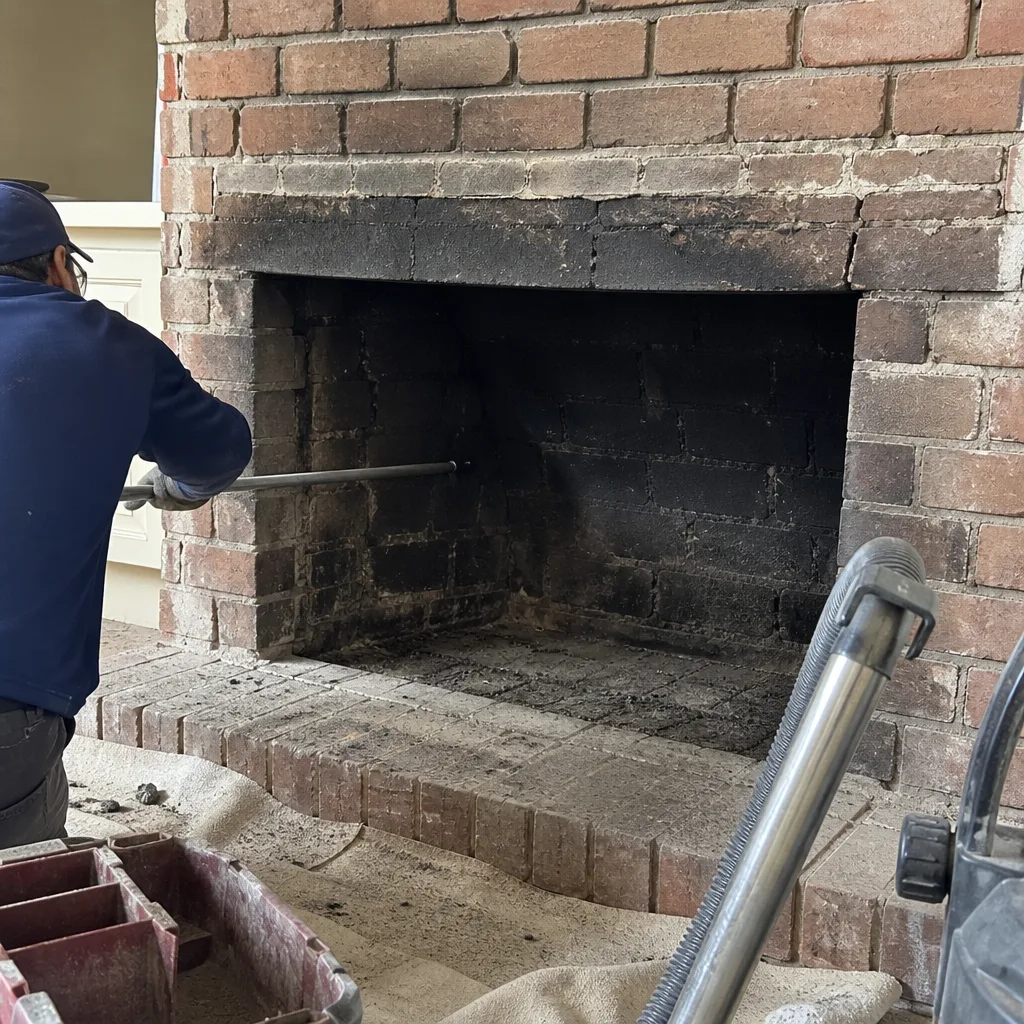 Before
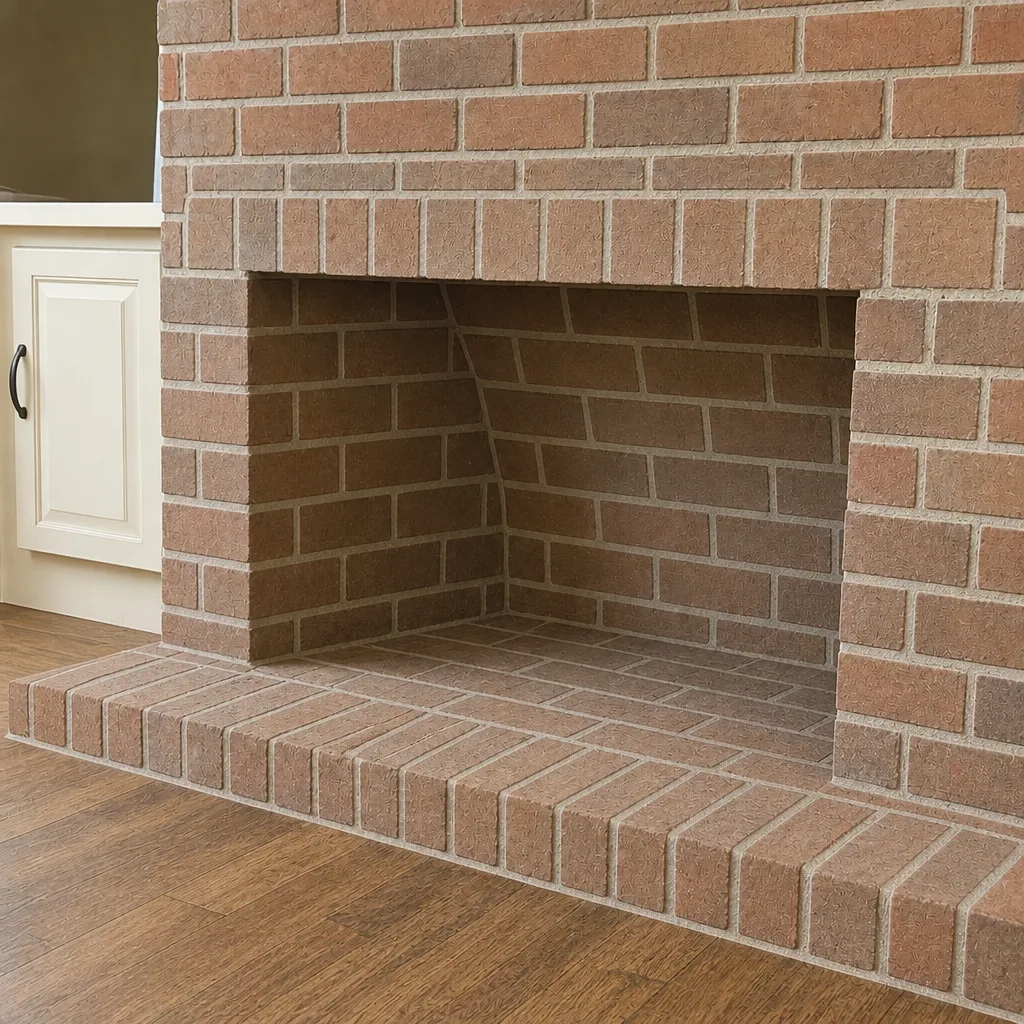 After
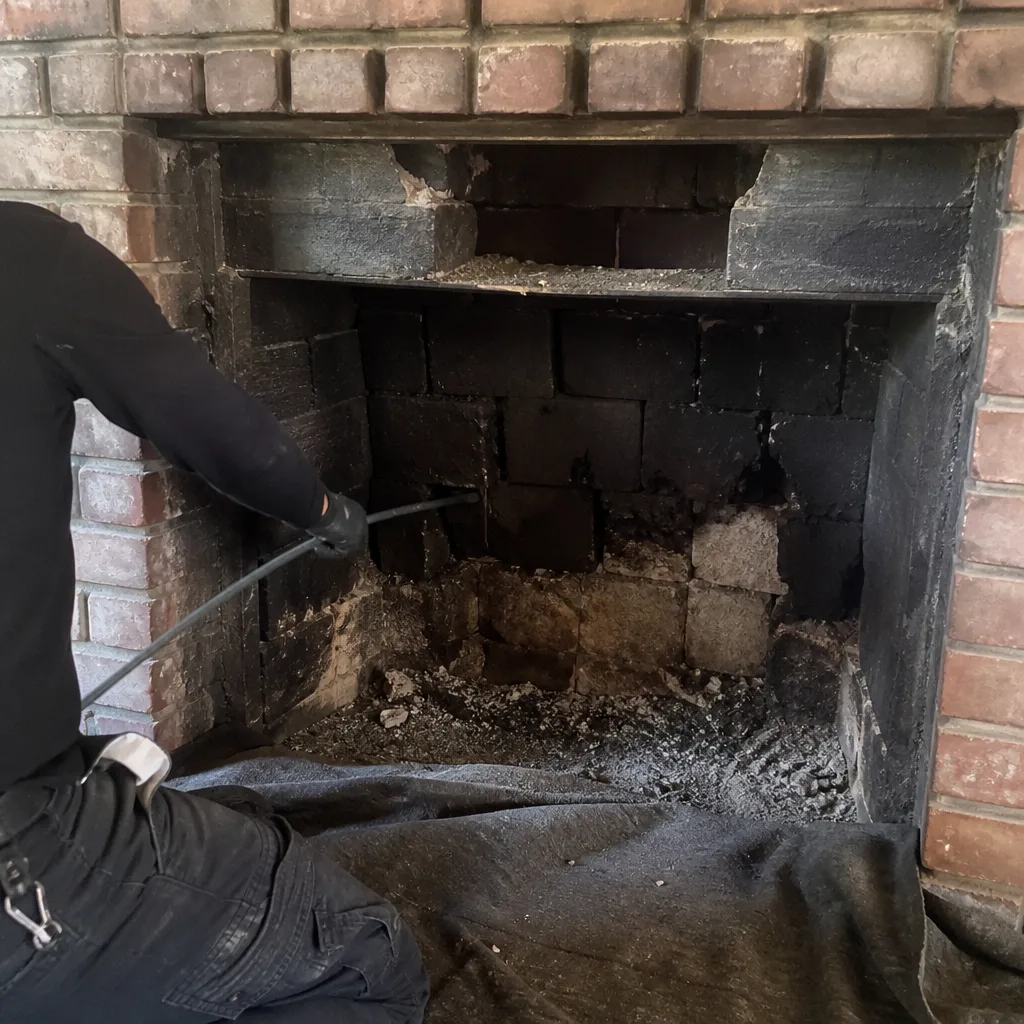 Before
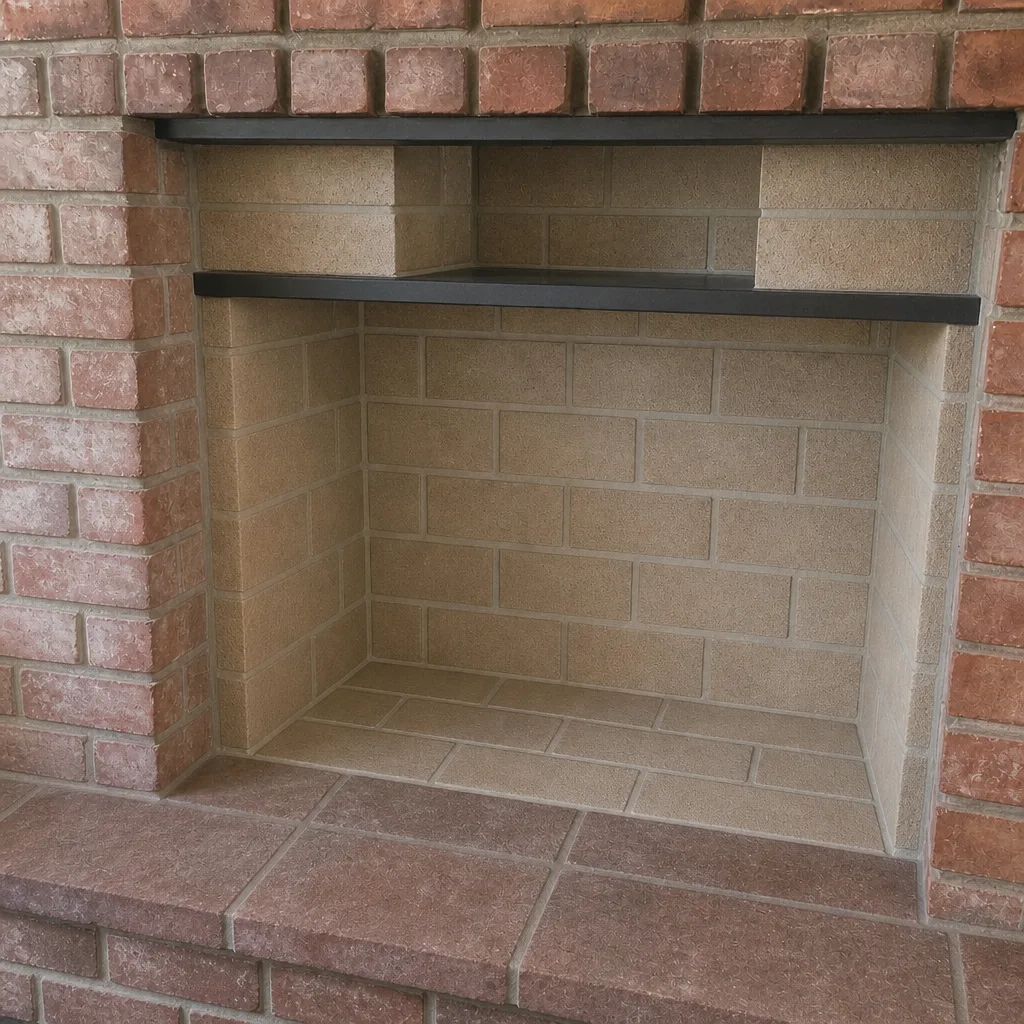 After
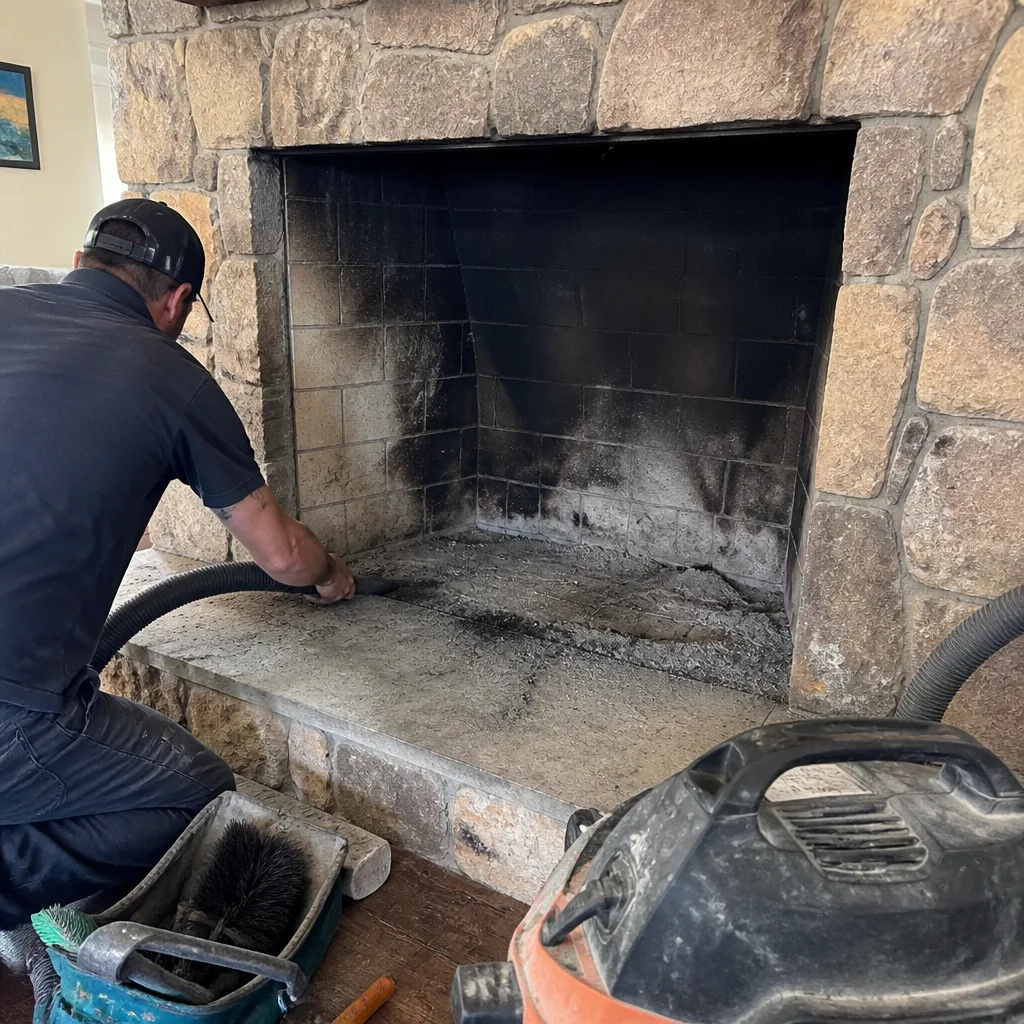 Before
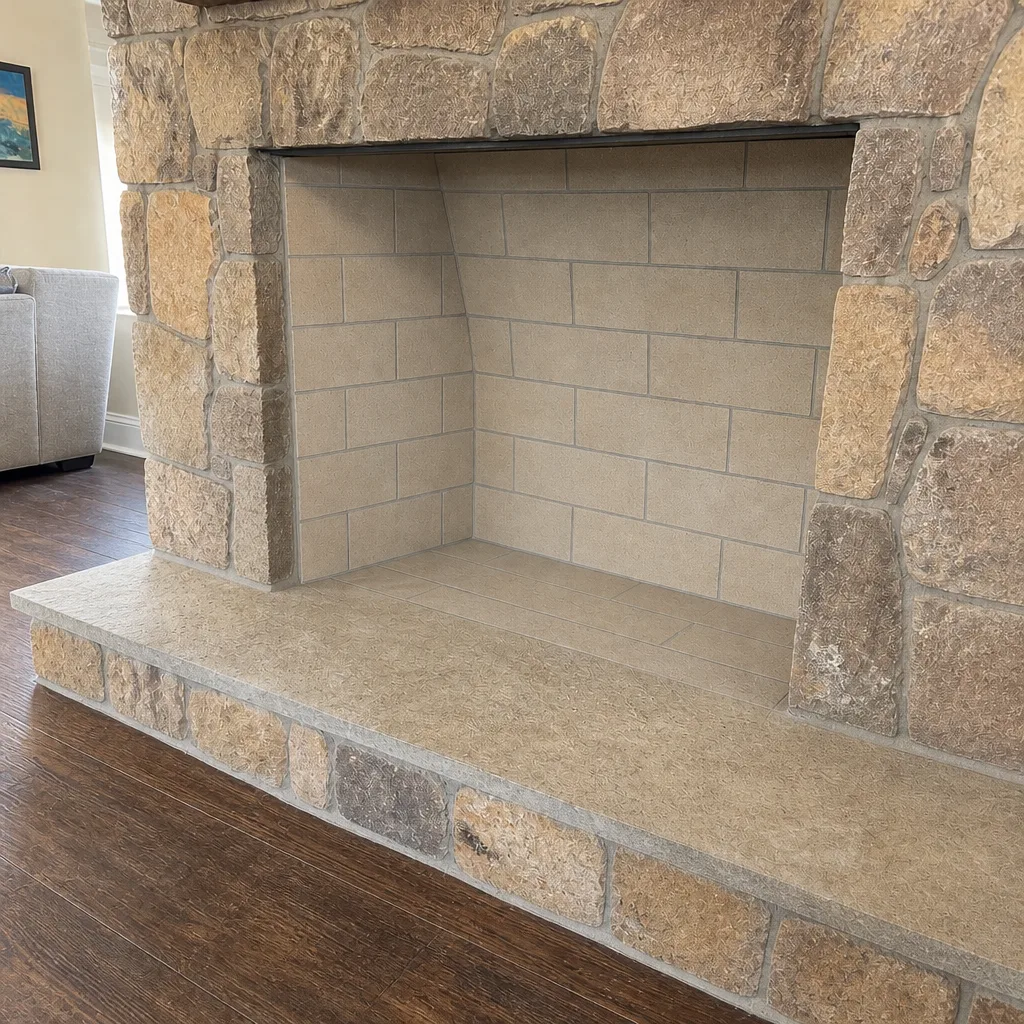 After
When to Call a Professional
Some tasks are routine, and some are a clear signal to call. Get a professional involved if you haven’t had the chimney swept within the past year of use, if you’ve noticed a strong smell when the fireplace isn’t in use, or if a fire ever smoke back into the room. Call us if a storm has damaged the crown or cap, if you see water stains near the chimney, or if you’ve had a chimney fire of any size. Any time you’re seeing visible soot, cracked flue tiles, or gaps in the liner, that’s not a wait-and-see situation.
At Glacier Chimney Sweep, free estimates in St. George are part of how we work, and nothing gets recommended without camera evidence you can see for yourself. Call (877) 327-1971. We answer 24/7. Fast dispatch from 7am to 7pm, Sunday through Friday.
Frequently Asked Questions
Once a year, based on how much you actually burn, is the standard guidance, and in St. George that usually means a spring sweep after the burn season ends. If you burn frequently through the winter, an annual cleaning is a reasonable baseline. If you’ve had a chimney fire or notice buildup sooner, have it checked sooner. Regular cleaning plus a spring inspection is what keeps a short-season chimney healthy year to year. Call (877) 327-1971 for an exact quote, estimates are free.
Spring cleaning is worth doing because it removes the winter’s creosote before it sits in the flue through the hot months. Waiting until fall means that corrosive residue has been against the liner all summer, and any water damage from the monsoon has had months to spread. Spring cleaning also catches small problems while they’re small. It’s the lower-cost choice in the long run, even if it feels like an extra step. Call (877) 327-1971 for an exact quote, estimates are free.
The heat causes the crown and mortar joints to expand and contract, which opens hairline cracks that let monsoon water in. The crown is the most vulnerable part, since it takes the daily temperature swings directly. Cracks that look minor in July become water channels when the monsoon arrives in August. A summer exterior check is how you catch that before the rain does.
St. George’s monsoon, roughly July through September, is the main water-intrusion event of the year, and an open or poorly capped flue takes rain straight down into the chimney. Water in the flue and masonry does lasting damage, so keeping the cap intact and the crown sealed before the rain starts is the key protection. Water stains after a storm mean it’s already getting in somewhere.
Pricing is set per job by a written estimate, so the cost depends on your chimney and what the visit involves. What we can tell you is that the estimate is free and the price is agreed before any work is booked. Nothing gets recommended without camera evidence you can see. Call (877) 327-1971 for an exact quote, estimates are free.
Skipping a year usually means creosote builds up and sits in the flue, and any crown or flashing issue the summer would have exposed goes uncaught and grows. The result is often a bigger repair the following year than a routine cleaning and inspection would have cost. It’s not a guarantee of disaster, but it’s a year of avoidable wear in a climate that works on masonry all twelve months. Call (877) 327-1971 for an exact quote, estimates are free.
The Bottom Line
Chimney care in St. George works best as a year-round system, not a single fall appointment. The heat and monsoon cause damage in summer that’s far cheaper to prevent than to repair later, and leaving creosote in the flue through the hot months is a cost that quietly adds up. Protect the crown and cap before the monsoon, inspect and draft-test in fall, burn dry and hot through the short winter season, and clean in spring before the residue has all summer to work on your liner. If you keep to that rhythm, nothing about your chimney will surprise you. Glacier Chimney Sweep handles sweeping, repair, and dryer vent cleaning, so both of your home’s fire-risk venting systems are covered in one visit. Learn more about the full Glacier Chimney Sweep approach, and call (877) 327-1971 for a free estimate. We answer 24/7. Fast dispatch from 7am to 7pm, Sunday through Friday.
Written by the team at Glacier Chimney Sweep.