
Last updated November 15, 2026
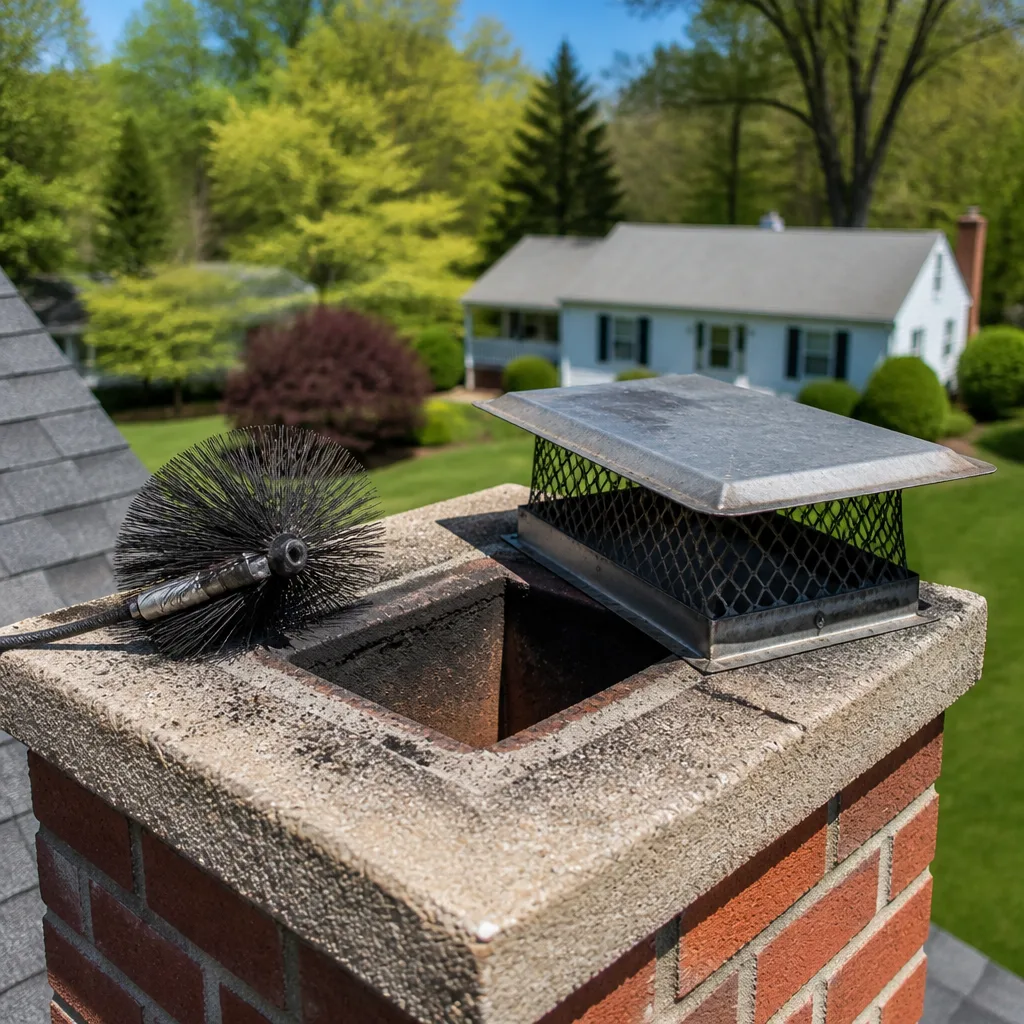 Sweep & inspection
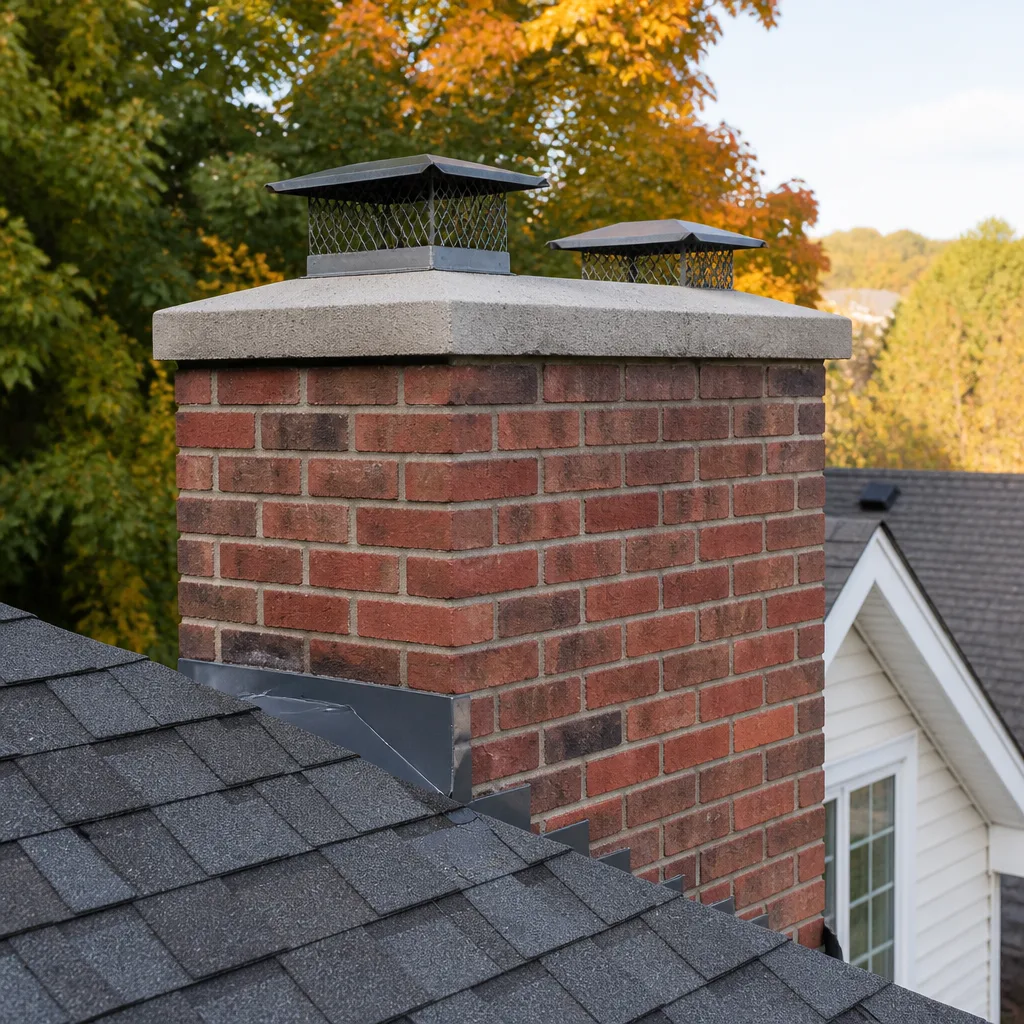 Caps & crowns
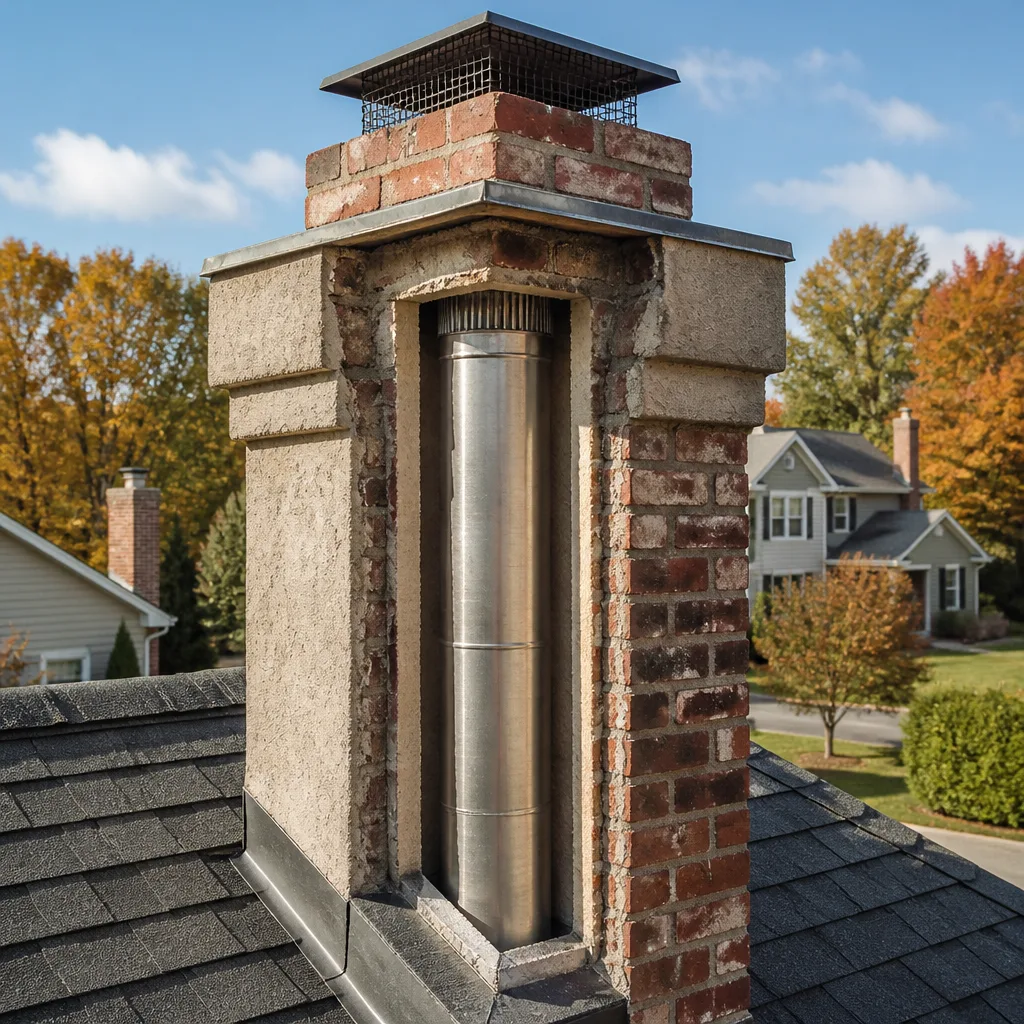 Flue relining
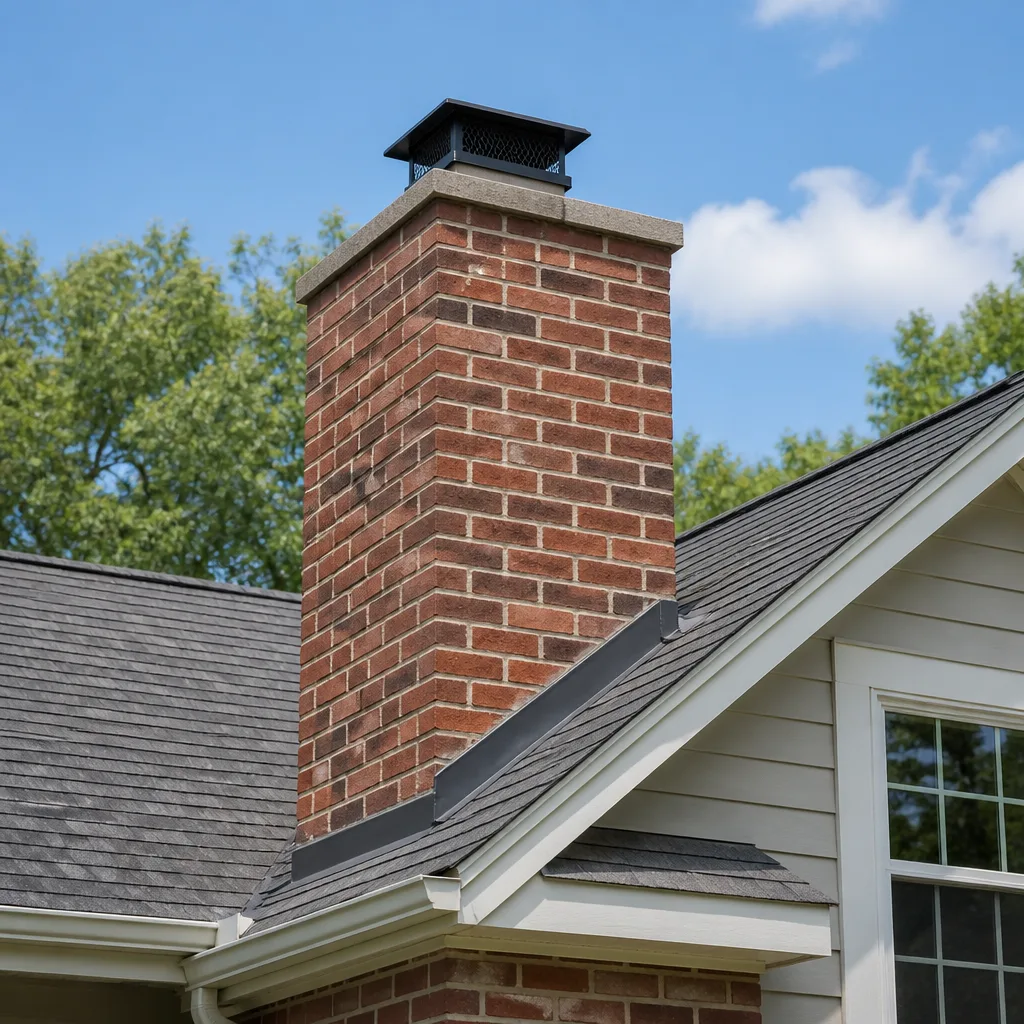 Masonry repair
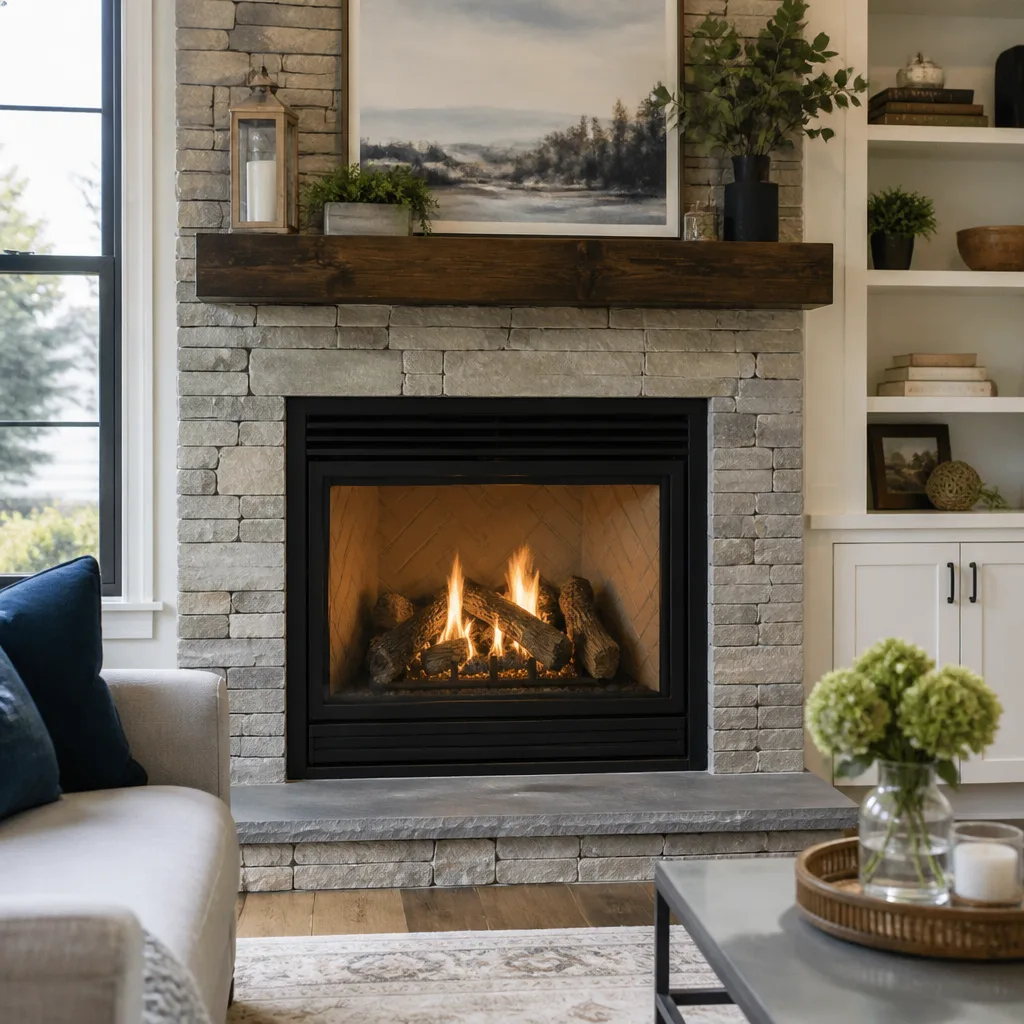 Gas fireplace service
Level 1 sweep and inspection to the NFPA 211 annual standard - flue, crown, cap, and flashing checked and photographed
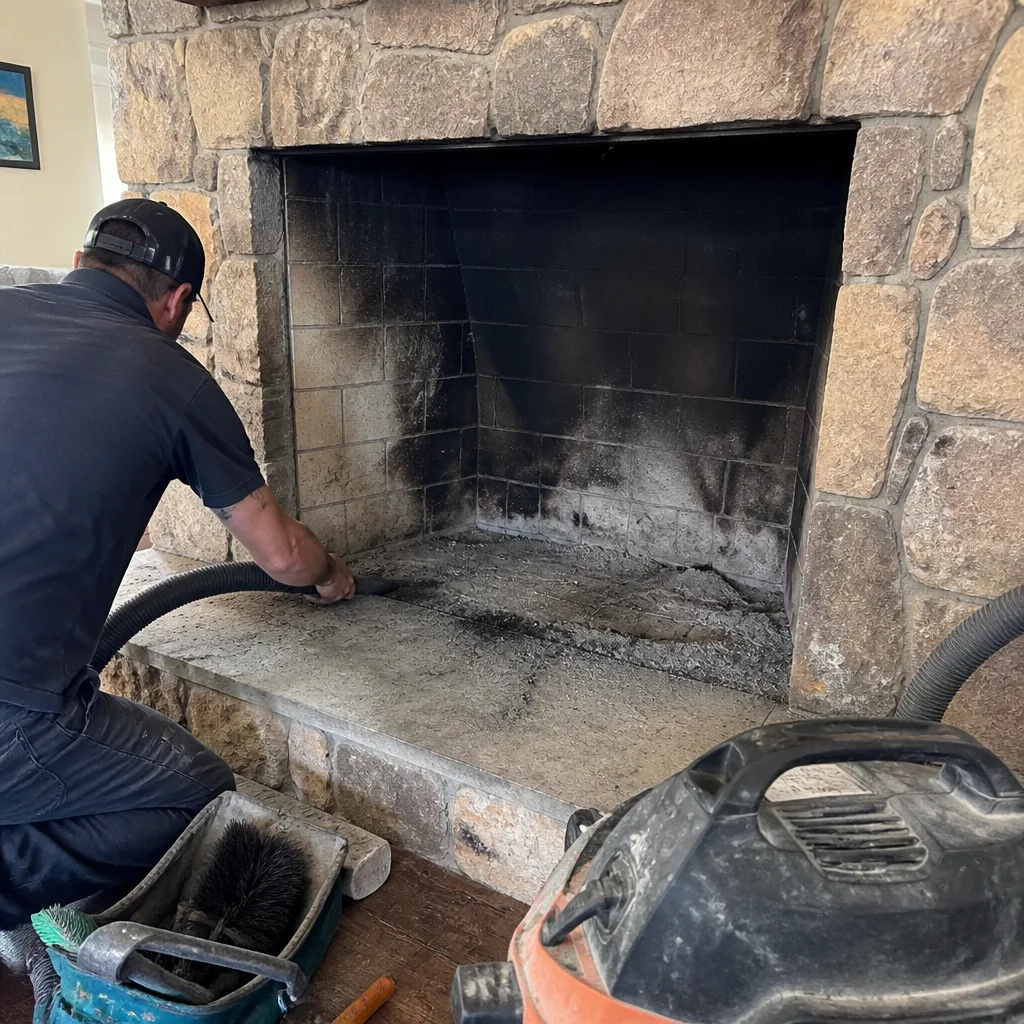
Chimney sweep logs do not sweep chimneys. They loosen some creosote - which then falls where a brush and vacuum still have to collect it.
DIY vs Professional Chimney Cleaning: The St. George Homeowner’s Decision Guide
Here’s the part most chimney cleaning guides skip: a brush kit can absolutely remove loose soot from a straight flue. That’s the easy part. What a homeowner can’t reliably do in dim light with a flashlight is tell Stage 1 creosote from Stage 2 glazed deposits – and if you brush over glazed creosote, you make it adhere harder, not come off. That single distinction is why this decision guide exists. We’re not going to tell you that DIY chimney cleaning is impossible or reckless. It isn’t. We are going to show you how to decide whether it’s appropriate for your specific fireplace, because in St. George’s housing stock that answer varies more than most people expect.
Quick Answer
For a straight, unlined insert-free flue with no visible cracking or shaling, DIY brushing is workable if you’ve had a professional inspection within the last year. For any flue with offsets, an insert system, visible glaze or shaling, or a home over 10 years old without a recent inspection, professional cleaning is the safer call because the diagnostic step matters more than the brushing step. In St. George, where wood burning drops off sharply in summer, the right answer usually depends on what happened during the last burning season.
Styles & brands we work with
- Sweep & inspection
- Caps & crowns
- Flue relining
- Masonry repair
- Gas fireplace service
Table of Contents
- What DIY Chimney Cleaning Can Actually Handle
- What DIY Can’t Do: The Diagnostic Gap
- What a Real DIY Setup Costs – and What It Misses
- The Decision Matrix: Should You DIY in St. George?
- Creosote Stages and Why They Change the Answer
- Liability and Insurance if Something Goes Wrong
- What’s Different About Chimneys in St. George
- Common Mistakes to Avoid
- When to Call a Professional
- Frequently Asked Questions
What DIY Chimney Cleaning Can Actually Handle
We’re not going to pretend the whole job is beyond a careful homeowner. Some of it isn’t. If your setup matches the simplest conditions, a rod-and-brush kit does real work.
Here’s what falls within genuine DIY range:
- Basic flue brushing on straight runs. A straight vertical flue with no offsets or returns can be brushed from the top or from the firebox with the right size brush.
- Cap inspection. Walking outside and checking that the chimney cap is intact, unobstructed and securely attached is a five-minute task anyone can do.
- Exterior visual checks. Looking for loose bricks, cracked mortar joints, or a chimney crown that’s cracked and holding water requires no specialized training.
- Ash removal and firebox cleanup. Emptying ash from a cool firebox at the end of the season is routine housekeeping.
- Seasonal exterior debris clearing. Removing twigs, nests or leaf debris from around the cap is fair game.
Here’s what keeps this list short: a DIY sweep can only effectively clean the flue it can reach, and only the deposits it can see. Anything beyond straightforward brushing – assessing liner condition, evaluating a masonry chimney’s interior, or diagnosing what a firebox is telling you – is a different job entirely. That’s the work we do on every chimney sweep, and it’s the part that tends to get missed when the cleaning is self-performed.
If you’re going to do the surface work yourself, do it with the same attention a professional would give the visible conditions. Photograph everything. Take a bright flashlight into the firebox. Look up. If what you see raises a question you can’t answer, that’s your signal to stop.
What DIY Can’t Do: The Diagnostic Gap
This is the core of the argument, and it’s not about equipment. A brush is a brush. The gap is in the diagnosis that sits above the cleaning.
Consider what a professional sweep is actually looking for while brushing. Not just soot removal. The list includes:
- Glazed creosote (Stage 2 or Stage 3) that a standard brush will polish and harden rather than remove
- Liner cracks or separations behind what looks like a clean flue
- Shaling on clay tile liners – flakes of tile that signal the liner is breaking down
- Offset flues where the brush can’t reach the upper section without the right equipment and knowledge
- Insert systems where the firebox has been modified and the flue path is different from what an untrained eye expects
- Water intrusion evidence – efflorescence, rust on the damper, staining inside the firebox
- Dryer vent crossover risk from adjacent systems in tight utility chases
Cleaning over any of those without diagnosing them first is a real problem. If you brush a shaled tile liner and don’t notice the shaling, you’ve got a compromised liner with a clean surface – which can look reassuring and be genuinely unsafe. If you brush glazed creosote and it adheres harder, you’ve made the next professional cleaning more difficult and more expensive.
In the St. George market, homes on the older side – anything over 10 years old without a recent professional inspection – carry a higher likelihood that one of those conditions is present. Whether that’s because of a liner that was installed to a code cycle that has since changed, or simply because ten winters of use leave a mark, the odds of a hidden condition climb with age. The interior of a masonry chimney is not something a homeowner with a flashlight can fully read. We’ve seen enough St. George chimneys with a clean top section and a shaled lower liner to know the flashlight is optimistic.
That’s not the same as saying every older home needs work. It’s saying the diagnostic window matters, and it closes as soon as the flue is brushed without inspection.
What a Real DIY Setup Costs – and What It Misses
Let’s talk numbers, because the “DIY saves money” argument depends on them.
A legitimate DIY chimney cleaning setup – not a brush on a broomstick from the hardware store, but a proper kit with a polypropylene brush sized to the flue, flexible rods, a drop cloth or tarp, a HEPA shop vacuum, a flashlight bright enough to actually see into the flue, and a respirator – runs roughly $150 to $300 for a single-flue home. Multi-flue properties, or homes with a fireplace insert, push toward the upper end because you need additional brush heads and often a bottom-up rod setup.
Here’s the trade inside that number:
| What the DIY setup covers | What it doesn’t cover |
|---|---|
| Straight flue brushing – single story, top or bottom access | Offsets, damper-bypass paths, and any flue geometry the rods can’t follow |
| Soot and Stage 1 creosote removal | Glazed creosote assessment and proper removal methods |
| Exterior visual checks and cap inspection | Interior liner condition assessment |
| Ash and debris cleanup | Repair capability if something is found |
| One flue’s surface condition | Multi-flue systems, insert systems, dryer vent scoping |
The $150-$300 kit also has to be reused enough times to justify itself over a professional cleaning, which is only true if the conditions on your fireplace actually support DIY every year. Two seasons in, if the black glaze shows up, the equipment no longer covers the job.
Beyond the equipment cost, DIY misses something harder to price: the ability to correct a deficiency on the spot. When we sweep a flue and find a compromised liner, the fix is available on the same visit. We work with professional-grade product lines – Glacier Chimney Sweep installs DuraFlex flexible liner systems and HeatShield ceramic resurfacing – so a finding during inspection translates to a repair plan, not a referral list. A homeowner with a $200 brush kit and a shaled liner has the kit, and a call to make. Nothing wrong with that; it’s just the true cost picture.
The Decision Matrix: Should You DIY in St. George?
Here’s the framework we’d use if we were advising a neighbor. Run your fireplace through these three questions.
- What type of system do you have? Straight-flue masonry fireplace with no insert = DIY candidate. Offset flue, factory-built fireplace with a non-standard liner path, or any insert system = professional.
- When was the last professional inspection? Within the past 12 months and clean = DIY brushing is safe. More than 12 months, or never, or “the previous owner had it done at some point” = professional inspection first.
- What visible condition is present right now? Dry, dusty soot on the walls and a clean firebox = DIY is workable. Any shaling (flakes of liner material), any visible cracking in the firebox, any black glaze on the flue walls, any water staining = professional, no exceptions.
Run those three questions in order. If any single answer puts you on the professional side, that’s the answer. This isn’t about stacking points; one hard no is enough.
Here’s the matrix in compressed form:
| System Type | Last Professional Inspection | Visible Condition | Verdict |
|---|---|---|---|
| Straight masonry flue, no insert | Within 12 months | Dry soot only | DIY workable |
| Straight masonry flue, no insert | Unknown or over 12 months | Dry soot only | Professional inspection first, then decide |
| Any offset or insert system | Any | Any | Professional |
| Any system | Any | Shaling, cracking, glaze, or water staining | Professional |
| Property over 10 years old | No recent inspection | Unknown | Professional inspection first |
Why does age alone push toward professional? Because in St. George, the housing stock spans decades of different construction practices, and a ten-year-old home without a documented inspection history is a home where you can’t rule out a liner that’s already been through enough burning seasons to have developed a hidden condition. Age isn’t the problem. Age without evidence is.
Creosote Stages and Why They Change the Answer
Creosote exists on a spectrum, and the stage determines whether DIY cleaning helps or hurts.
- Stage 1: Fluffy, dry, dusty soot and light flake. Brushes off easily. DIY-appropriate if the flue is otherwise straight and inspected.
- Stage 2: Glazed, shiny, hard deposits – the black mirror finish. Standard brushes don’t remove it and can cause it to adhere more firmly. Professional methods are required.
- Stage 3: The heaviest concentration, often with a gummy or tar-like consistency. Professional, period.
The reason this matters for a St. George homeowner specifically is the burn pattern. In a hot, dry climate, homes often burn less frequently during the shoulder seasons – a fire here and a fire there rather than a steady schedule. Intermittent burning with cooler flue temperatures, or burning wood that isn’t dry, builds creosote differently from a home that burns consistently through the cold months. The glaze deposits can show up where a homeowner doesn’t expect them because “we barely burned last winter.”
You cannot distinguish the stages in dim light through a firebox opening. That’s the plain fact. Stage 1 and a clean flue look nearly identical with a flashlight. Stage 2 looks like a clean flue with a shiny finish – which a homeowner often reads as “already clean.” Then they brush, and they don’t realize they’ve just polished a hazard. That’s the diagnostic window closing.
Professional cleaning uses methods matched to the stage. Where glazing is present, we assess whether the liner can be cleaned down or whether it needs restoration. HeatShield ceramic resurfacing is available as an option that extends liner life without automatically moving to a full reline, and we’ll tell you honestly which case you’re in based on what the inspection shows.
Liability and Insurance if Something Goes Wrong
This is the section we wish more homeowners read before buying the brush kit, because the implications extend well past the cleaning itself.
If you self-perform chimney cleaning and a house fire follows, you should assume your homeowner’s policy will be reviewed with real scrutiny. That doesn’t automatically mean a claim is denied – insurance carriers vary, and we’re not going to overstate the certainty. But the sequence of questions an adjuster asks matters:
- Was the chimney professionally inspected in the past year?
- Is there a record of the last cleaning and what condition the flue was in?
- Were there any known deficiencies that weren’t addressed?
A self-performed sweep leaves no documented condition record. You know you brushed it. You can’t prove what the flue looked like before, during, or after, or that you’d have caught a shaled liner if it was present. That absence of documentation is not a fire risk; it’s a claims risk, and it’s enough of one that many homeowners consider the professional inspection record worth the cost purely as documentation.
There’s also a straightforward point about who’s doing the work. A professional cleaning comes with the liability of the company doing it. A self-performed cleaning comes with yours.
This applies to St. George homes the same as anywhere else. It’s not a scare point – house fires from unmaintained chimneys are real, but the number of them is not what we’re pointing at here. We’re pointing at what happens after. A documented inspection is a document. A brushed flue with no record is a guess.
What’s Different About Chimneys in St. George
Chimney behavior varies with climate, and St. George’s climate shapes what a chimney goes through in ways that matter for the DIY question.
The desert swings matter. Hot afternoons and cold nights mean a masonry chimney goes through thermal cycling that stress cracks mortar joints over the seasons. A homeowner running a quick exterior check during the summer may not see the crack that opens up in a January freeze. The exterior check is DIY-friendly. Reading what the crack means is not.
We see more masonry chimneys in this market than factory-built ones, simply because a good portion of the housing stock in the St. George area predates the factory-built fireplace boom. Older masonry chimneys are the ones most likely to have a clay tile liner that’s worth inspecting closely, because tile liners are the ones that shal. Factory-built systems have their own concerns (liner integrity, insert modifications), but they behave differently enough that the DIY decision matrix runs differently for each.
Also worth naming: St. George’s dry air and the dust that comes with desert living make chimney caps and exterior masonry prime candidates for DIY visual checks. That part of the work genuinely belongs in the homeowner’s column. Dust intrusion into the cap, spider webs, wasp nests in spring – all things you should look at. The question is what you conclude if you find more than dust up there. That conclusion is where professional input earns its place.
And the second venting system in your home matters here too. If your fireplace is due and your dryer vent cleaning is also overdue, that’s not a coincidence – both are high-risk venting systems, and both deserve real attention. A homeowner trying to keep both on a DIY schedule is managing two diagnostic gaps instead of one.
Common Mistakes to Avoid
- Buying the brush before assessing the flue. The brush size, rod type and technique all depend on what’s in the flue. Buying first and finding out it’s an offset flue with a shaled liner means the kit was the wrong purchase. Check the flue first, then decide whether to buy.
- Brushing glazed creosote with a standard brush. This doesn’t clean it; it can make the glaze adhere harder, making the next professional cleaning more difficult and more expensive. If the flue walls look shiny or black rather than dry and dusty, stop.
- Assuming a newer St. George home is safe to DIY. “It’s only ten years old” is a common assumption that doesn’t hold. Age matters less than whether the liner has ever been professionally inspected. Ten burning seasons can produce as much wear as twenty if the burning has been regular.
- Skipping documentation. Even a DIY sweep should be documented – date, flue condition observed, photos. A photo record is what you’ll have if an insurance question comes up, and it’s what the next professional will use to spot change over time.
- Treating a clean-looking flue as a clean flue. Stage 2 glaze looks like a clean flue with a shiny finish. The confusion is common, and it’s the specific failure the diagnostic step exists to prevent.
- DIY-ing the chimney while ignoring the dryer vent. The dryer vent is the other leading appliance-related fire risk in a home. If you’re spending a Saturday on venting maintenance, the chimney isn’t the only system that needs a look. We handle both, and homeowners who are deciding whether to DIY chimney work should at least be aware of what they’re leaving on the DIY list.
- Pulling the DIY trigger on a system you inherited. Just moved in? The previous owner’s maintenance history is not your maintenance history. Assume nothing was done until a professional inspection says otherwise.
When to Call a Professional
Call a professional if any of these apply:
- The flue has never been professionally inspected, or the last inspection was more than a year ago
- You see any shaling, cracking, water staining, or black glaze on the flue walls
- You have a fireplace insert, an offset flue, or a factory-built system with a modified liner path
- Your home is over 10 years old and you don’t have documentation of the last inspection
- You’ve already brushed the flue once and the deposits don’t look like they came off
- You’re concerned about creosote stage and can’t tell from what you can see
None of these means “the chimney is about to fail.” Most mean “we need to know what’s actually in there before the season starts.” Glacier Chimney Sweep offers free estimates in St. George – call (877) 327-1971. We answer 24/7. Fast dispatch from 7am to 7pm, Sunday through Friday. If we find something during the sweep, we can tell you whether it needs fixing now or can safely wait.
Frequently Asked Questions
Yes, on a straight, insert-free flue that has been professionally inspected within the last year and shows only dry soot. If any of those conditions fails – offset flue, insert system, no recent inspection, visible shaling or glaze – DIY cleaning is not safe because the conditions that require professional intervention are present and the diagnostic window closes the moment you brush over them. When in doubt, have it inspected first. Call (877) 327-1971 for an exact quote – estimates are free.
Roughly $150 to $300 for a legitimate kit that handles a single straight-flue home: proper polypropylene brush, flexible rods, drop cloth, HEPA shop vacuum, bright flashlight and respirator. The kit only pays for itself across multiple seasons of use, and only if the flue conditions stay in the DIY-appropriate range. If the flue develops glaze or shaling, the equipment no longer covers the job. That $150-$300 is often better understood as the cost of finding out what a professional sweep would have caught. Call (877) 327-1971 for an exact quote.
Annually for most homes that burn, and every year of use for heavy burners. The annual inspection matters as much as the sweep itself, because the inspection is what catches Stage 2 creosote, shaled liners and the shaling-adjacent conditions that brushing alone misses. Skipping a year compounds the diagnostic gap. Call (877) 327-1971 to get on a schedule – estimates are free.
You need a new liner only when the existing liner’s condition makes continued use unsafe, and you should be able to see the reason. If the diagnosis is shaling, cracking, or a compromised tile liner, the fix is clear and there’s no ambiguity. Where the decision is genuinely borderline, HeatShield ceramic resurfacing can restore a compromised liner without the full cost of a reline, and we’ll tell you honestly which case yours falls into. A clean-liner upsell with no visible evidence is a red flag. Call (877) 327-1971 and ask for the inspection findings – estimates are free.
Stage 1 creosote accumulates; over time, cooler burns and less-than-dry wood push it toward Stage 2 glaze, which is significantly harder to remove and requires professional methods. A shaled liner can progress from cosmetic to unsafe. Skipping a season isn’t automatically dangerous, but skipping multiple seasons without knowing the flue’s condition makes both the cleaning and the repair cost more likely to be significant when the inspection finally happens. Call (877) 327-1971 for an exact quote – estimates are free.
Yes, in a few specific ways. Desert thermal cycling stresses masonry joints more than a mild climate does, and many St. George homes predate the factory-built fireplace era, which means more clay tile liners in the housing stock – and clay tile liners are the ones most likely to shal. Intermittent burning during hot shoulder seasons also produces different creosote patterns than steady cold-climate burning. The annual inspection is more, not less, important here. Call (877) 327-1971 for an exact quote.
The Bottom Line
DIY chimney cleaning works when the flue is simple, the inspection is current and the visible condition is dry soot. It fails the moment one of those three legs is missing, and the failure mode is the one that matters most: the diagnostic window closes before you know what you were looking at. In St. George, homes over 10 years old without recent inspection documentation, and any system with an offset, insert or visible glazing, should be professionally evaluated before any DIY cleaning happens. Run the decision matrix. If you land on the professional side, that’s not a marketing failure – it’s the correct call.
If the flue or the dryer vent needs a trained eye, we’re the team to call. Glacier Chimney Sweep offers free estimates in St. George – call (877) 327-1971. We answer 24/7. Fast dispatch from 7am to 7pm, Sunday through Friday.
Written by the team at Glacier Chimney Sweep.
See the difference
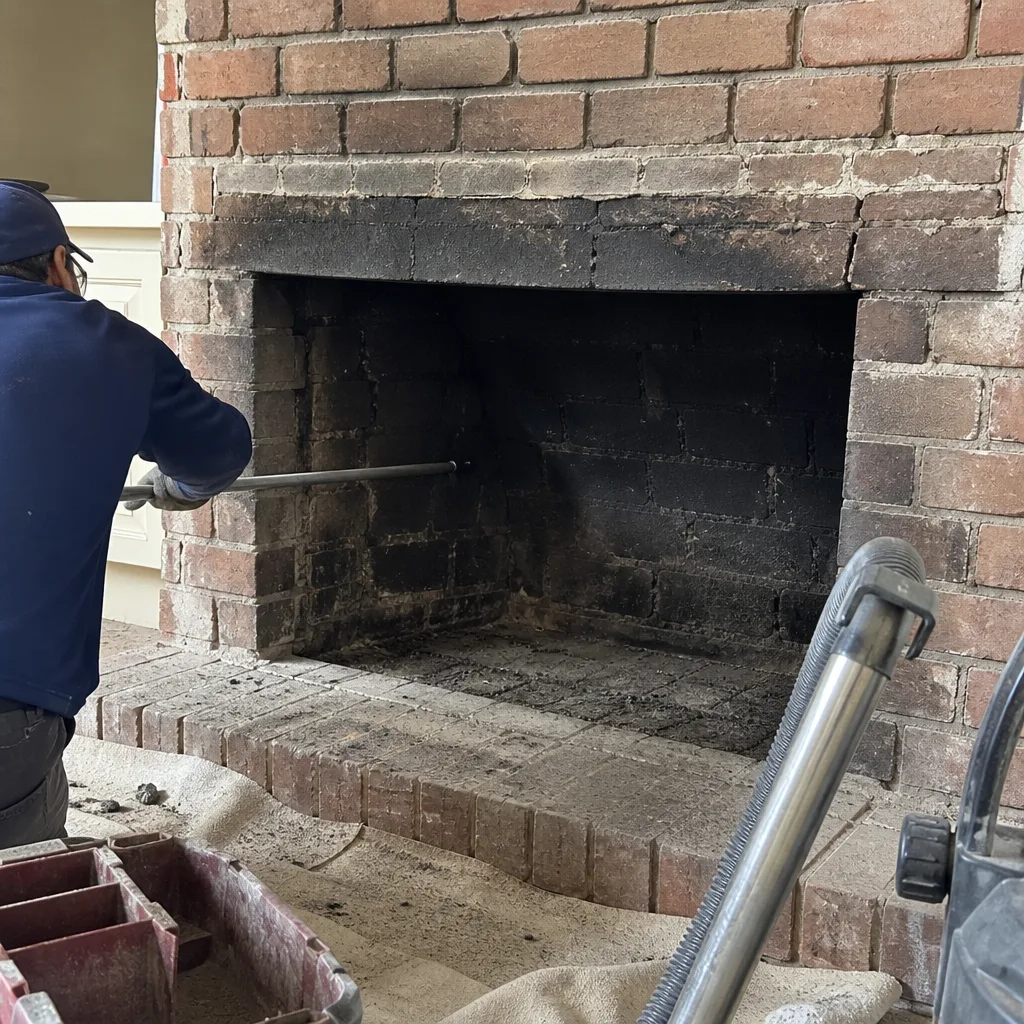 Before
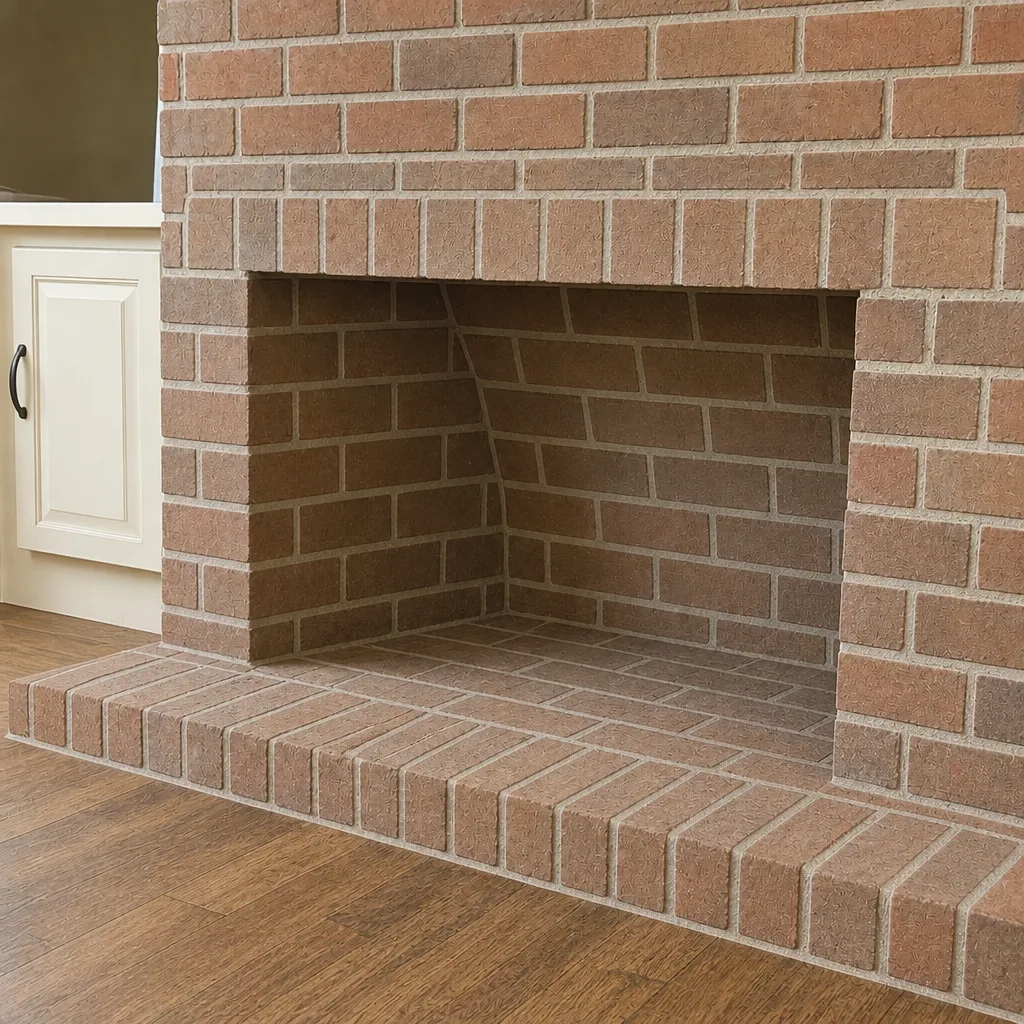 After
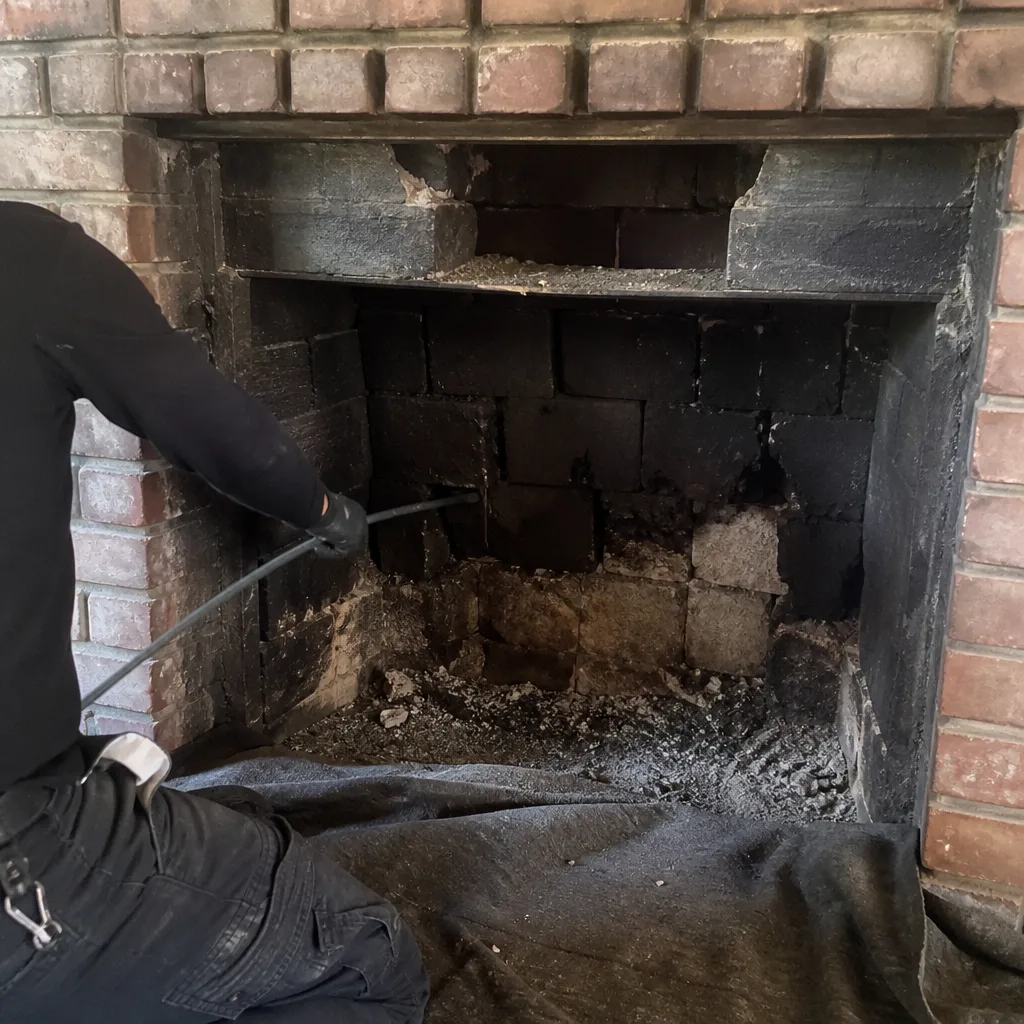 Before
 After
 Before
 After