
Last updated November 15, 2026
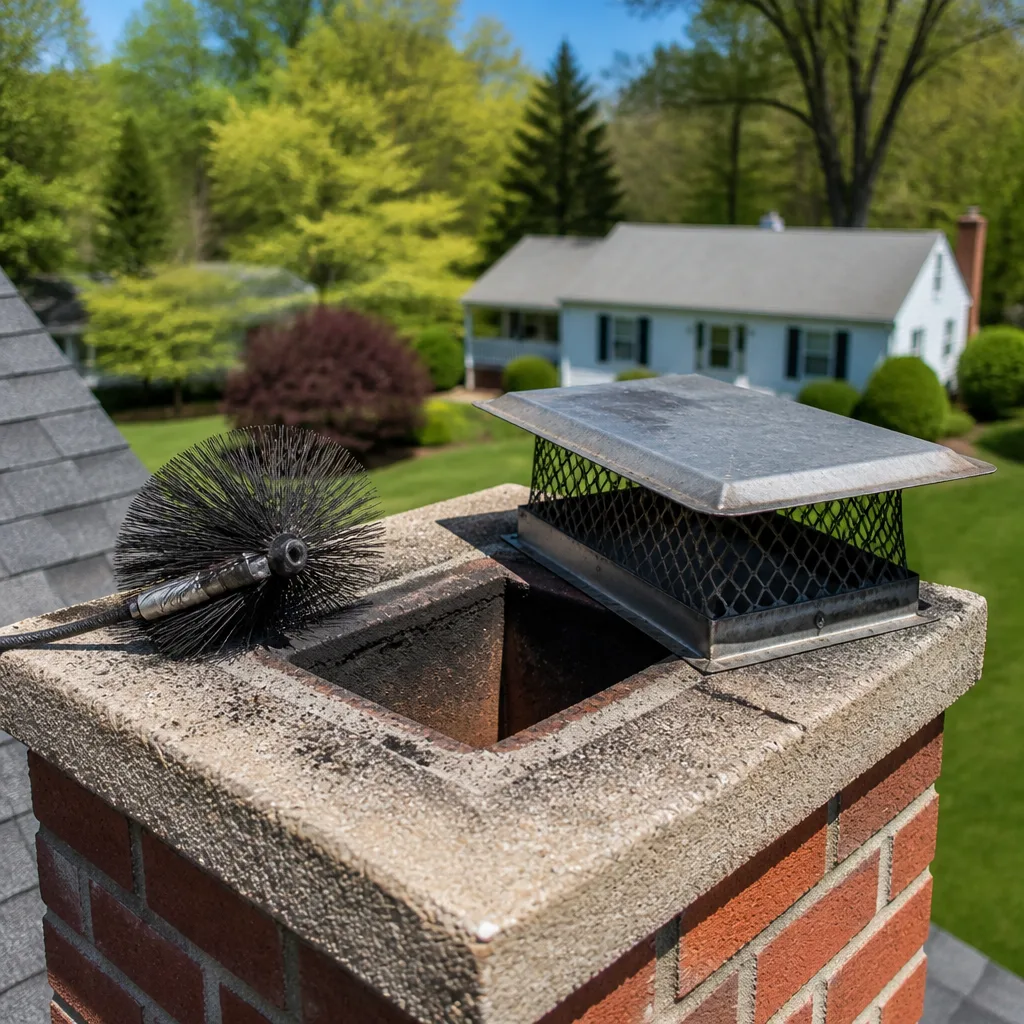 Sweep & inspection
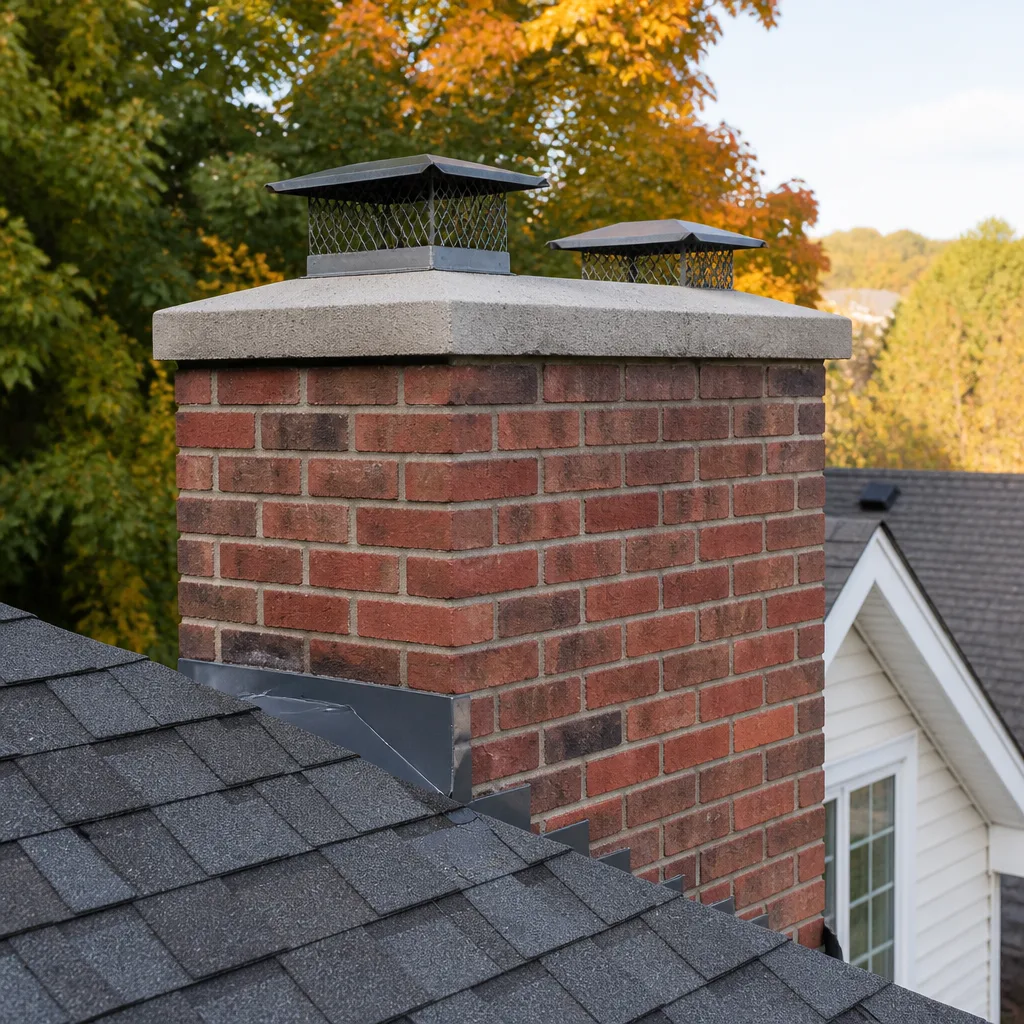 Caps & crowns
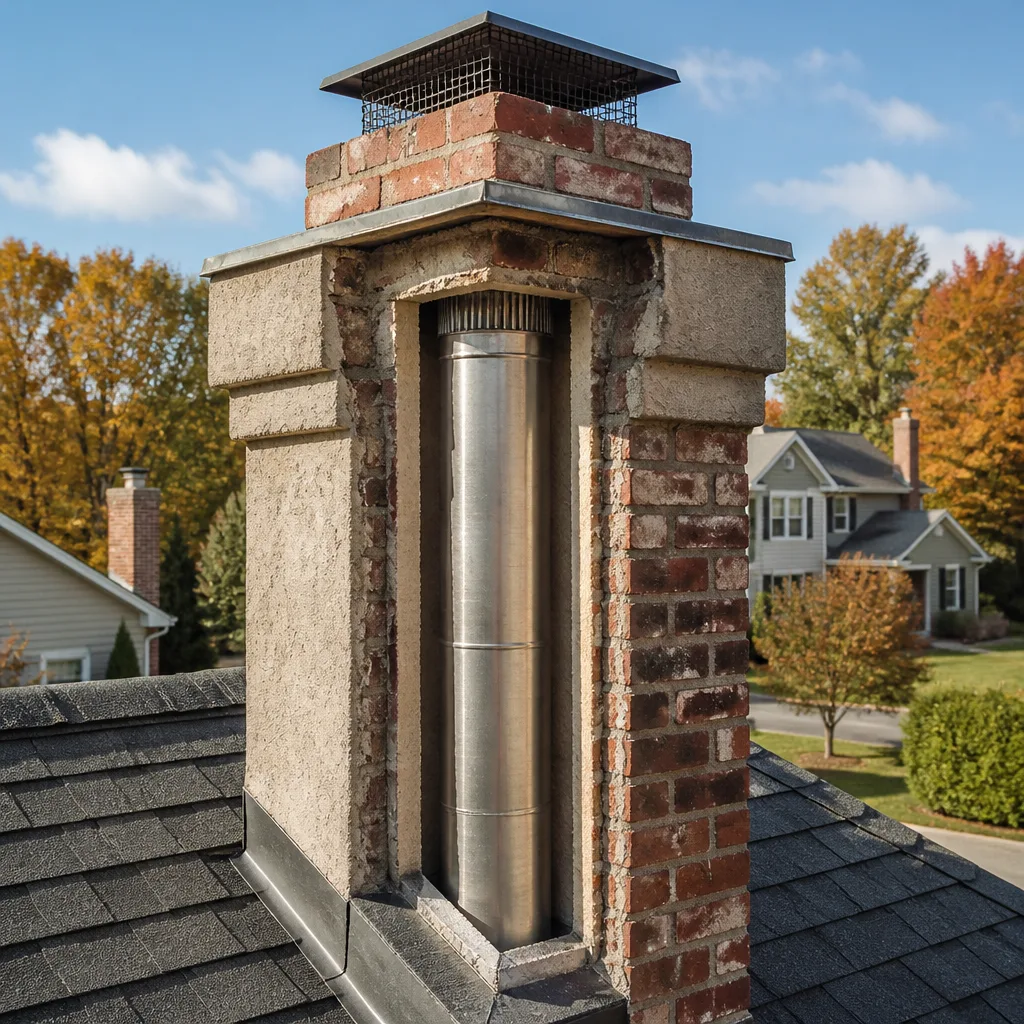 Flue relining
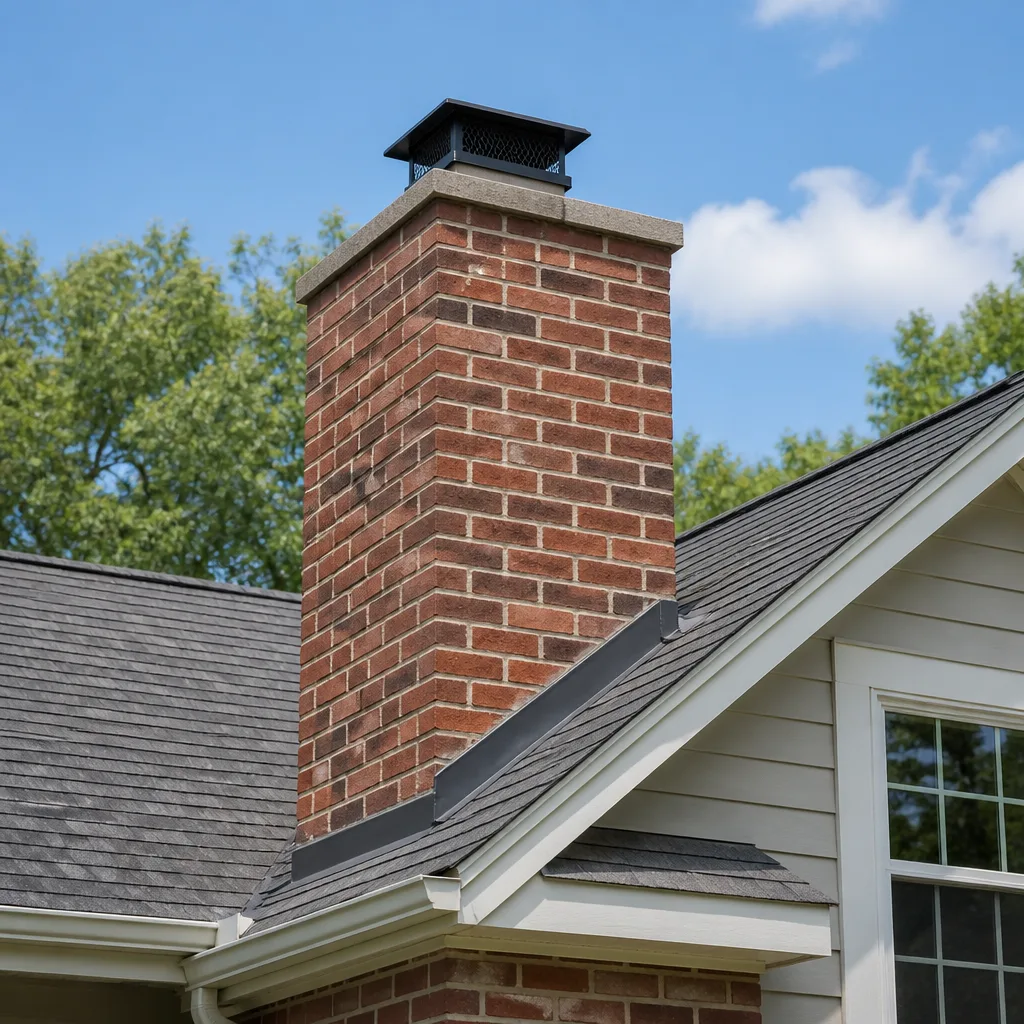 Masonry repair
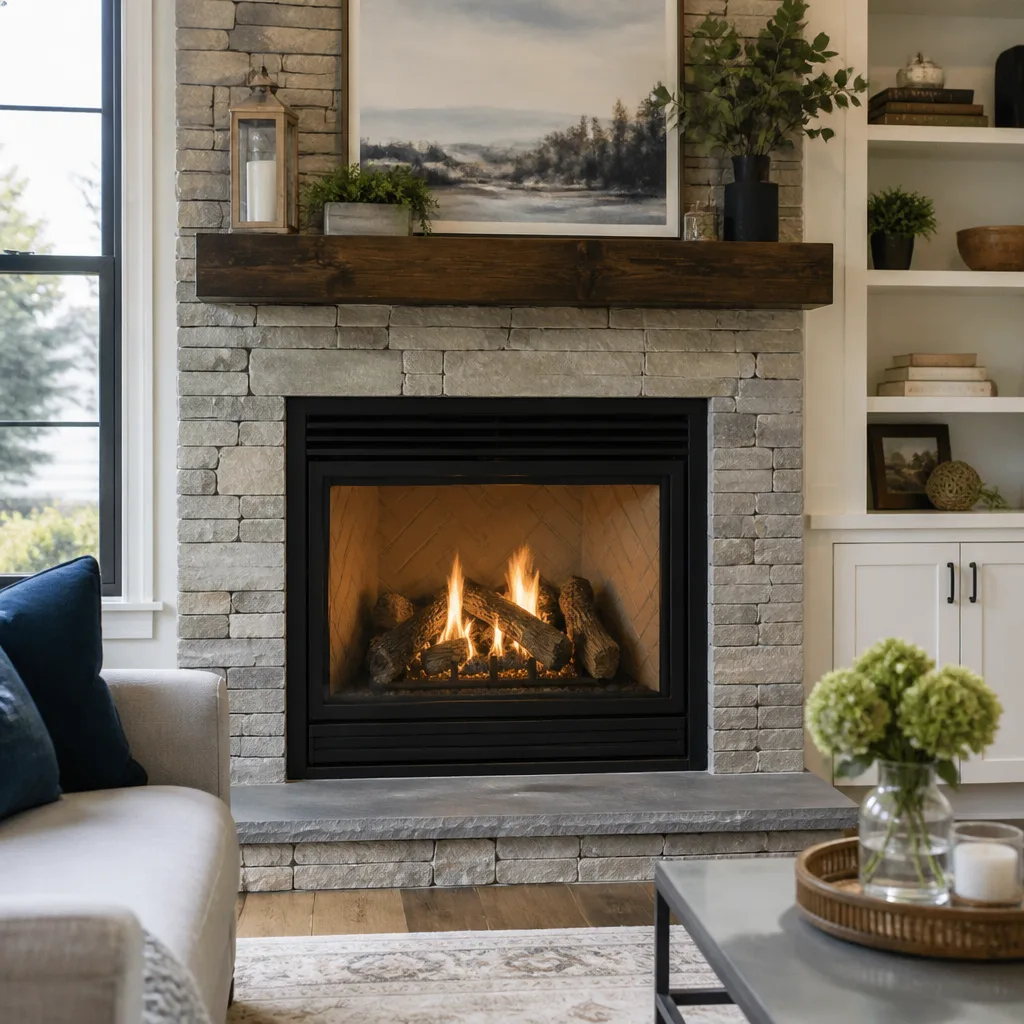 Gas fireplace service
Level 1 sweep and inspection to the NFPA 211 annual standard - flue, crown, cap, and flashing checked and photographed
Chimney sweep logs do not sweep chimneys. They loosen some creosote - which then falls where a brush and vacuum still have to collect it.
Choosing the Right Chimney Cleaning Brand: A Buyer’s Guide for St. George
Most homeowners choose a chimney sweep by comparing the price of the clean and never ask what brand of products the technician carries. That’s the wrong thing to skip. The cap on top of your flue, the liner compound sealing your masonry, and the crown sealant over your chimney shoulders are what determine whether the chimney is still serviceable in five years or showing rust streaks and cracked joints. In St. George, with its high summer heat, intense UV, and sharp swings between hot days and cold nights, those products are pushed harder than in milder climates. This guide explains what the brands actually are, which materials hold up here, and exactly what to ask before you book.
Quick Answer
The right chimney cleaning brand for St. George is one that sources from professional chimney supply chains rather than a hardware store shelf. Ask what cap material they install (304 or 316 stainless, not galvanized), whether their liner restoration compound is a tested product like HeatShield versus a generic refractory mix, and which brand of crown sealant they use. A technician who can name their suppliers is sourcing from the professional trade; one who shrugs is guessing.
Styles & brands we work with
- Sweep & inspection
- Caps & crowns
- Flue relining
- Masonry repair
- Gas fireplace service
Table of Contents
- Why the brand of chimney products matters more than the price of the sweep
- Chimney caps: galvanized versus 304 versus 316 stainless in southern Utah
- Liner restoration: HeatShield compounds versus DIY refractory mixes
- Creosote treatment chemicals: what’s tested and what’s just marketed
- Crown sealants and waterproofing in St. George’s climate
- How to ask a contractor what brand they carry
- Red flags that a sweep is sourcing the wrong way
- Frequently Asked Questions
Why the brand of chimney products matters more than the price of the sweep
A chimney sweep is one visit. The products a technician installs during that visit sit on your roof or inside your flue for years. That asymmetry is the whole argument for caring about brands. The $45 galvanized cap and the stainless commercial-grade cap can be installed on the same afternoon, by the same hands, for a similar labor cost. Only one of them is still doing its job after a run of 110-degree St. George summers and the ultraviolet exposure that comes with living at desert elevation.
Product specification is not a marketing story. It’s a materials question. Stainless steel grades are rated for weather exposure; galvanized coatings are not, in the same way, and degrade quickly under UV and repeated thermal cycling. Parging compounds for liner restoration behave differently from generic mortar mixes when the flue goes hot and cold over a season. Crown sealants formulated for high-heat exposure hold their flexibility. Elastomeric products designed for a mild coastal climate don’t.
In our experience, the homeowner who asks about brands during the estimate usually ends up with a chimney that’s still working a decade later. Not because they paid more, but because they paid once. The homeowner who compares only sweep prices ends up paying twice: once for the cheap install and once for the correction.
What this guide won’t do is tell you to buy the most expensive thing on the list. The right product depends on the chimney, the fuel, the masonry or prefab construction, and what the inspection finds. What it will do is teach you what to ask, so you can tell the difference between a technician sourcing from a professional supply chain and one who’s improvising from the home improvement aisle. If you’re comparing providers across St. George, this is the vocabulary that separates them.
Chimney caps: galvanized versus 304 versus 316 stainless in southern Utah
The chimney cap is the single component with the shortest life and the most visible failure. It’s the metal hood on top of your flue that keeps rain, birds, and debris out. It also takes the full brunt of sun, wind-blown dust, and thermal cycling. In St. George, caps fail fast because UV exposure is intense and roof surface temperatures can swing dramatically between full sun and the cold desert evenings. A cap that’s fine in a wet climate may show streaking and rust within a few summers here.
Here’s the material comparison that matters:
- Galvanized steel: Lowest cost, shortest life. The zinc coating protects the steel until UV and moisture work it loose. Once corrosion starts, it accelerates. Not a reasonable choice for a St. George roof.
- 304 stainless steel: A general-purpose stainless alloy rated for weather exposure. The common upgrade for residential chimney caps. Handles UV and reasonable thermal cycling well.
- 316 stainless steel: A higher-grade alloy with added molybdenum for resistance to chemical attack. Often specified where combustion byproducts are more aggressive or where the chimney is near a pool or has higher moisture exposure. Overkill for most residential caps, but the right call in some situations.
- Copper caps: Long-lived and developing a natural patina. A premium material; specify only when the homeowner wants the appearance or the longer service life justifies the cost.
When you ask a sweep what cap they’d install, a professional answer names a material grade and a brand. A generic answer like “a metal cap” is a sign they haven’t thought about it. Brands we work with, including Olympia Chimney and Gelco, make stainless and copper caps rated for the sort of exposure St. George roofs see. Ask what they use, and whether the cap is fabricated for the exact flue size or is a universal-fit product. Custom-fit stainless performs better than a one-size cap on a flue it wasn’t built for.
Liner restoration: HeatShield compounds versus DIY refractory mixes
A flue liner is the heat-resistant barrier between the fire and the framing of the house. When it’s damaged, the options aren’t simply “leave it” or “replace it.” There’s a middle path: liner restoration with a tested ceramic parging compound. For older masonry chimneys in St. George, restoration is often the correct call, and the brand of the compound is what determines whether the restoration is trustworthy.
Here’s how to think about the difference between a tested restoration compound and a bag of generic refractory mix:
- Application method. Tested restoration systems are applied with a specific tool and a specific procedure, not troweled on by eye. The result isn’t just a coating; it’s a formed, insulated liner surface.
- Adhesion and thermal behavior. Restoration compounds are engineered to bond to the existing flue wall and to expand and contract at a rate the masonry can tolerate. A generic mix can crack and separate after a few heating cycles.
- Tested performance. A tested product has been evaluated against real flue conditions. A bag of refractory mortar from a hardware store doesn’t come with that profile.
- Finish geometry. Restoration systems create a smooth, round-to-oval interior surface that improves draft. Troweled mixes leave an irregular surface that can trap creosote.
HeatShield is the system we use for ceramic resurfacing. It’s a professional-tier product, and it’s the reason we can honestly tell a homeowner whether they need full reline or can be restored. When the conditions allow restoration, it’s a cost-effective path that extends chimney life without the full reline cost. When conditions don’t allow it, we say so.
If a sweep quotes you liner restoration and can’t name the product, that’s the question to push. “What compound are you using?” A tested answer sounds like a system: brand, tool, procedure. A vague answer sounds like a bag of mix. On a masonry chimney in an older St. George home, that difference can mean another decade of service or a repeat problem in a few heating seasons.
Creosote treatment chemicals: what’s tested and what’s just marketed
Creosote is the tar-like residue from burning wood that builds up on flue walls. It comes in stages: light soot, then flaky deposits, then the glazed, hardened stage that’s hardest to remove and most associated with chimney fire risk. There are chemical products marketed to loosen creosote before a sweep, and there are compounds sold to “prevent” creosote buildup. The two categories are not equal.
What to understand before you buy any chemical treatment:
- CSIA-endorsed products are a real category. The Chimney Safety Institute of America (CSIA) maintains a list of products it has evaluated for creosote treatment. If a product isn’t on that list, ask why. “Endorsed” means something; a home-manufactured powder in an unlabeled bag doesn’t.
- Chemical treatment is a helper, not a substitute for sweeping. A creosote solvent applied before a sweep can soften deposits and make removal easier. It doesn’t remove the need for the sweep itself.
- Glazed creosote generally needs mechanical removal. Stage-three glazed creosote is hard, shiny, and not reliably softened by liquid treatments. It requires mechanical removal with rotary tools during the sweep. If a technician tells you a chemical will “dissolve” glazed creosote, ask them to show you the product and its directions.
- Fuel quality changes the picture. Burning dry, seasoned wood produces less creosote than burning green or unseasoned wood. In a dry climate like St. George’s, wood seasoning is easier, but the temptation to burn whatever’s on hand at the end of the season means buildup still happens.
When you ask a sweep what treatment they use for heavy creosote, a professional answer names the product, the stage of creosote it’s meant for, and whether they’ll mechanically remove the rest. A marketing answer names nothing, and the homeowner never learns whether the treatment was applied correctly or at all. The CSIA maintains a public list of its endorsed products, and any contractor who stocks chemical treatment products should know it.
Crown sealants and waterproofing in St. George’s climate
The chimney crown is the concrete or mortar cap on top of the structure, sloping away from the flue to shed water. Crowns crack. When they do, water gets into the masonry, freezes on cold desert nights, expands, and opens the crack further. In St. George, the pattern is different from a wet climate: less rain overall, but intense summer sun, dramatic day-to-night temperature swings, and enough precipitation in the winter and monsoon season to drive water into cracks that have been baked open. UV degrades sealants that weren’t formulated for it.
That’s why the sealant brand matters. The requirement isn’t a generic masonry sealer; it’s an elastomeric coating that stays flexible across the full heat range and resists UV breakdown. A sealant rated for a mild climate can look fine for a season, then crack and let water in again, and you’re back to a re-seal within a couple of years. A high-heat-rated elastomeric product stays flexible where the roof surface gets hottest.
What to look for when a sweep recommends crown work:
- Material specification in writing. The estimate should name the product. If it just says “crown seal,” ask for the specific product.
- Surface prep. Sealant over a dirty or crumbling crown fails. A professional preps the surface, removes loose material, and addresses cracks before coating.
- UV and heat rating. Ask directly: “Is this product rated for high-heat exposure?” In St. George, that question isn’t optional.
- Manufacturer instructions. A sealant applied at the wrong thickness or the wrong temperature fails regardless of brand. A professional knows and follows the spec.
Crown sealant products from brands like Famco and Copperfield are formulated for the sort of exposure St. George roofs take. The general principle holds: the product quality determines how many seasons the coating holds before you’re paying for it again.
How to ask a contractor what brand they carry
The question is simple. The answer tells you everything. Here’s the exact script you can use on the phone or at the estimate:
- Ask what brands they stock for caps, liners, and sealants. A professional replies with specific names. If they say “whatever’s available” or “we source locally,” that’s your answer. It’s not a sourcing answer. It’s a signal they don’t have a professional supply chain.
- Ask where they source. “Do you order from a professional chimney supply house, or do you pick up from hardware stores?” Professionals have a supply relationship. The answer tells you which.
- Ask about the specific materials for the job they inspected. “For my crown, what product will you use, and what’s it rated for?” If they can’t answer, they’re guessing.
- Ask about testing and endorsement. “Is your creosote treatment on the CSIA endorsed list? Is your liner compound tested?” Only tested products have an answer.
- Ask what happens if the product fails. A professional stands behind the material. Not “no warranty,” and not a deflection.
- Ask to see the packaging at the job. This is the least suspicious of the questions, and the most revealing. Any roll of stainless, bag of compound, or tube of sealant arrives labeled. A product in an unlabeled bag or generic container is a red flag.
None of these questions are confrontational. They’re the same questions you’d ask a mechanic about the parts going into your engine. A technician who knows the trade answers them without hesitation. One who doesn’t counter with “you don’t need to worry about that” has just told you exactly what to worry about.
Red flags that a sweep is sourcing the wrong way
Some signals are clear. If you notice any of the following during an estimate or after the work is done, treat it as information about how the job was approached:
- The cap is galvanized. Galvanized isn’t a long-term product for a St. George roof. If the estimate specifies a galvanized cap and doesn’t offer a stainless upgrade, they’re either cutting corners or don’t understand the local climate.
- Liner restoration quoted without a product name. A tested restoration compound has a name. An unlabeled mix doesn’t. If the quote doesn’t specify, ask; if the answer is vague, walk.
- Crown sealant quoted as “waterproofing” with no product spec. The generic term hides the product. Ask for the specific sealant and its UV rating.
- Chemical creosote treatment sold as a guarantee. No product prevents creosote buildup permanently. Any “creosote-free guarantee” from a chemical treatment is marketing.
- The sweep quotes a repair but won’t explain why. Repairs should come with an explanation and evidence. If the technician says “your crown needs sealing” without showing you the crack or naming the product, get a second opinion.
- Everything is instantly a “replacement” job. Restoration of a serviceable liner is often the right answer. If a sweep jumps straight to full replacement without inspecting and documenting the condition, ask why.
- No local property protection. Professional work includes drop cloths, a vacuum system that captures soot, and a plan for what happens if the flue is blocked. The way a sweep sets up a job reflects the same care they take specifying product.
See the difference
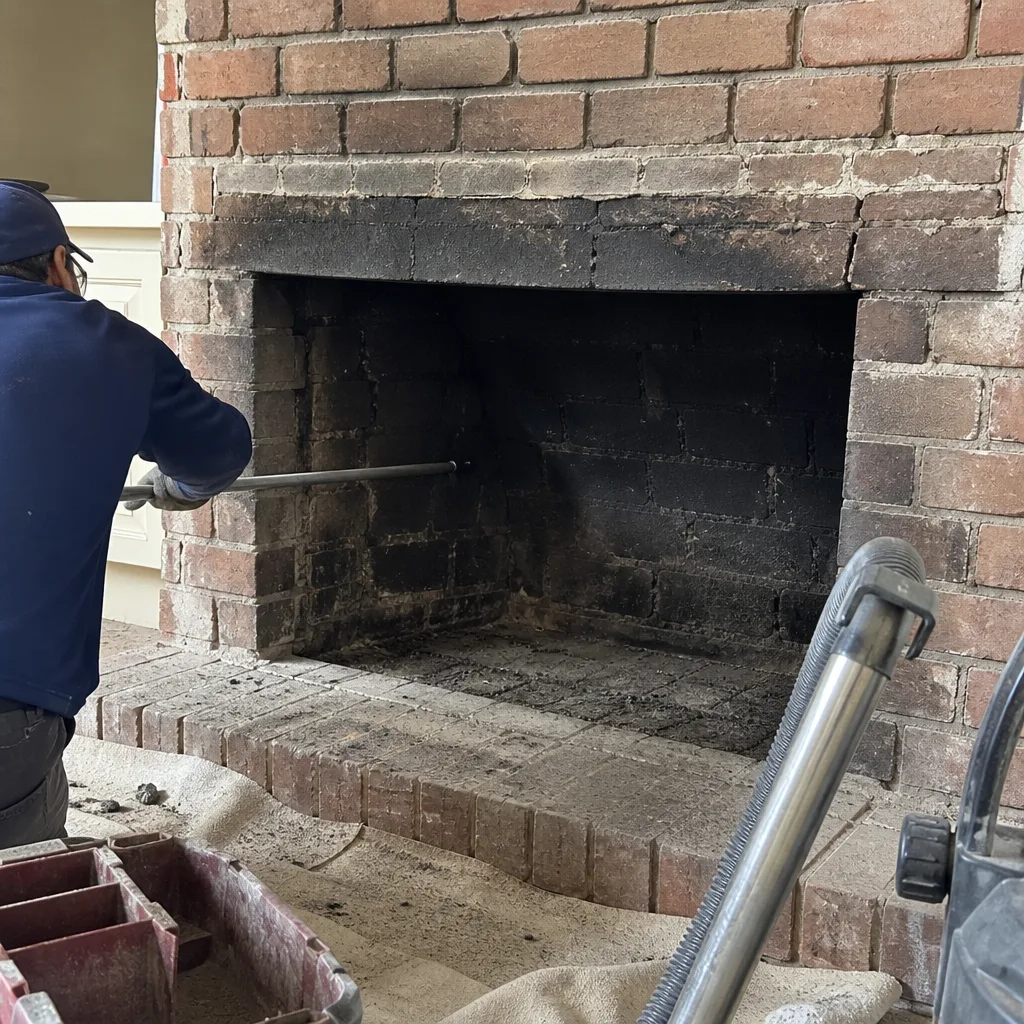 Before
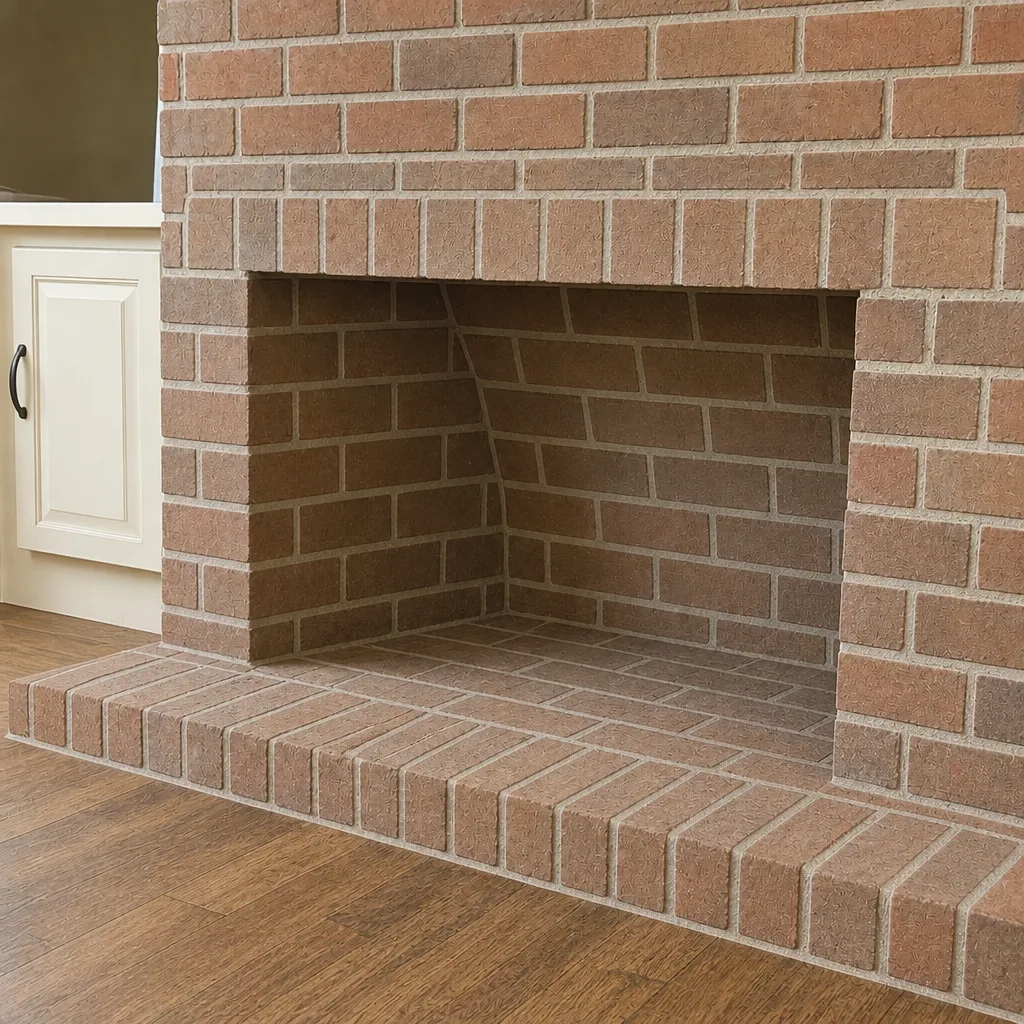 After
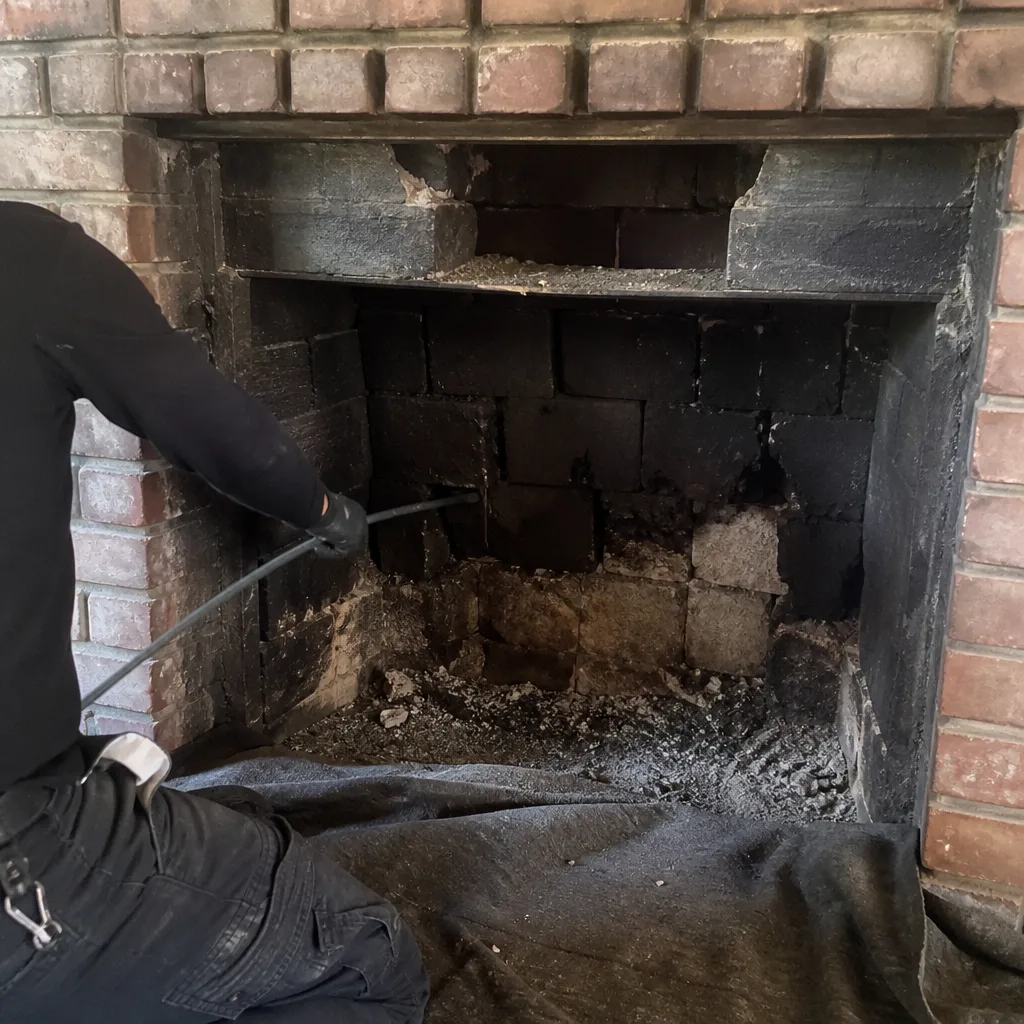 Before
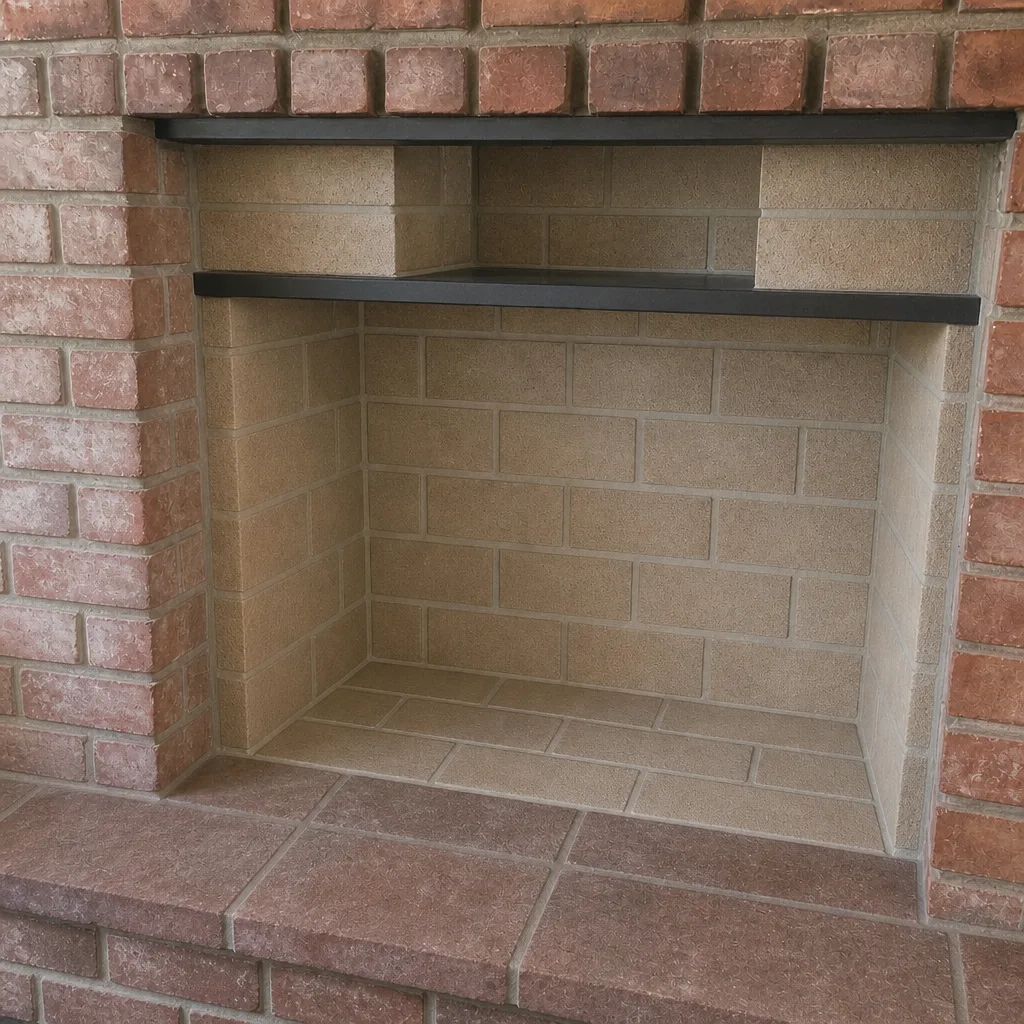 After
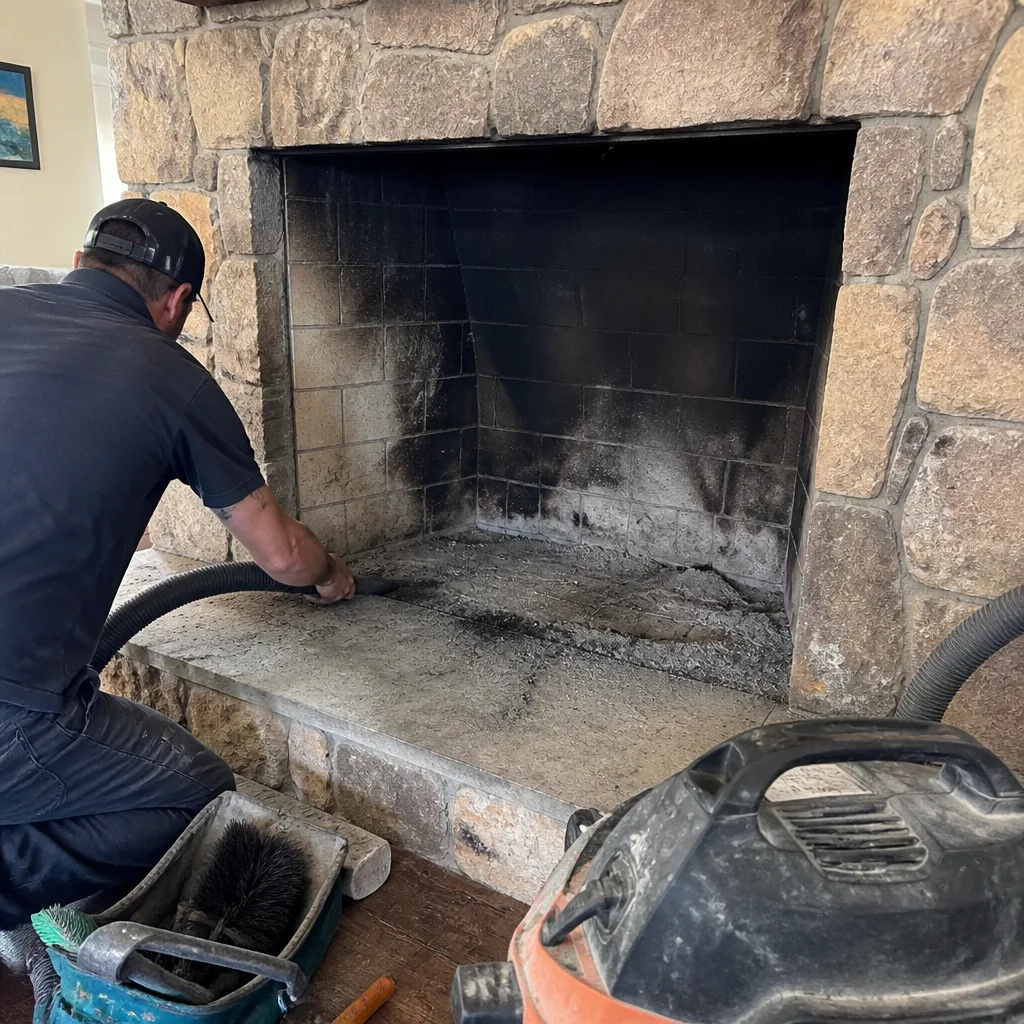 Before
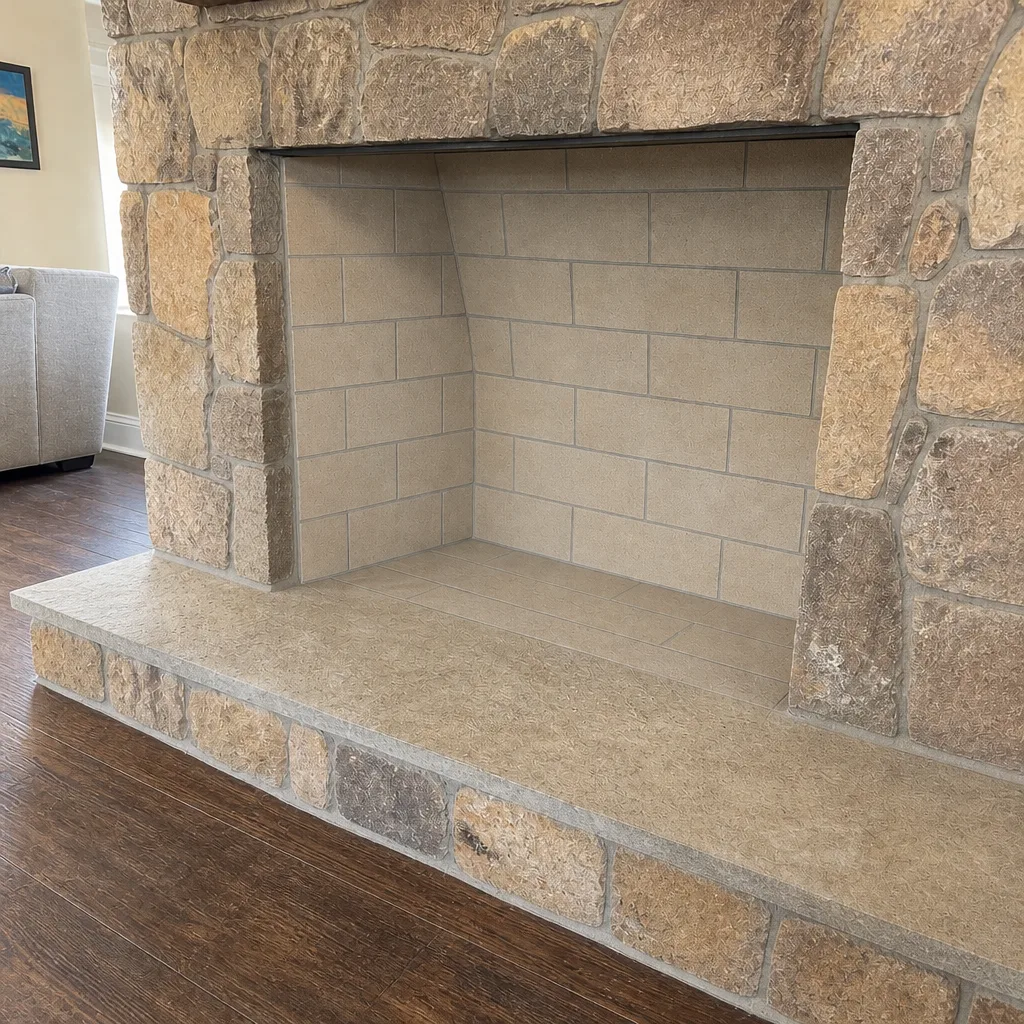 After
Common Mistakes to Avoid
- Comparing only the sweep price. Two quotes can differ by a small amount on the clean and by thousands on the repair. The material specification is where the money lives. Ask what products are included, and price the whole job.
- Accepting a cap without material grade. “Stainless” isn’t a grade. 304 and 316 are different alloys with different corrosion resistance. Ask which one, and why.
- Assuming a liner “looks fine” so it must be. Liners can be compromised behind a visible surface. Inspection with a camera is the only real check. Ask for the photo report.
- Applying generic sealant over a leaking crown. Sealing over an active leak traps moisture. The order matters: diagnose, prep, then seal. A sweep who skips diagnosis is skipping the step that makes the sealant work.
- Buying into “creosote prevention” powder without checking the CSIA list. Some marketed products have no testing profile. A treatment worth applying is a treatment someone has evaluated.
- Skipping the dryer vent because the chimney was the reason for the call. The dryer vent is the leading appliance-related fire risk in a home, and it’s a different venting system. Both should be inspected, and both can be cleaned on the same visit if the company covers both. Ask what the technician does about dryer vents before you book.
- Signing a work order without a written specification. The estimate should name the products, the scope, and the price per job. A verbal “we’ll fix it” is not a spec.
When to Call a Professional
Some jobs are routine maintenance and some are fire-safety decisions. Sweeping your own chimney is possible with the right tools, but inspection, camera diagnosis, liner restoration, crown work, and anything involving the structural condition of the flue belong to a trained professional. High-tension components and combustion venting are not a place for improvisation; a mistake can mean a slow carbon monoxide leak or a chimney fire waiting to happen. In St. George, the seasonal pattern compounds this: many homeowners don’t think about the chimney until the first cold night, and the backlog makes the off-season the smarter time to book. If you’re not sure whether your chimney needs work, that’s the reason to have it looked at, not the reason to wait. Our technicians have up to 12 years of experience, and we carry the products to fix what we find rather than referring you elsewhere. Glacier Chimney Sweep offers free estimates in St. George – call (877) 327-1971 to schedule one. We answer 24/7, and dispatch runs from 7am to 7pm, Sunday through Friday.
Frequently Asked Questions
It matters more than the sweep price. Professional-grade lines like Olympia Chimney, Gelco, Famco, Copperfield, and HeatShield are built for the exposure a southern Utah roof actually sees. A sweep using hardware-store materials may install a cap or sealant that fails within a few seasons. Ask what brand they’d use for your specific job, and ask where they source it. If the answer is “whatever’s available,” that’s your answer about the quality of the install. Call (877) 327-1971 for an exact quote – estimates are free.
The clean itself is usually the smaller cost. The meaningful variation comes from what the inspection finds, and from the brand of any products installed. A sweep and inspection with a camera report sits in a modest range; a cap, crown seal, or liner restoration is a separate line item priced by the product and the job. The written estimate sets the final price, and we don’t quote over the phone without knowing what the job involves. Call (877) 327-1971 for an exact quote – estimates are free.
Usually you don’t, and that’s the honest answer most of the time. HeatShield ceramic resurfacing can restore a compromised masonry flue without the cost of a full reline, when the condition allows it. What we won’t do is tell you it’s needed without showing you the evidence from a camera inspection. Ask for the photo report and a plain explanation before you approve. Call (877) 327-1971 for an exact quote – estimates are free.
Most chimneys benefit from a sweep and inspection once a year when the fireplace is in regular use, and more often if the fuel is poor or the flue is heavily loaded with creosote. In St. George, the cleaning season and the heating season don’t line up with the rest of the country; the off-season is a good time to have it done so you’re not booking during the first cold snap. The right schedule depends on what the inspection finds, which is why one visit a year is worth it. Call (877) 327-1971 for an exact quote – estimates are free.
Creosote builds up in layers, and the later layers are the hardest to remove and the most associated with chimney fires. Carbon monoxide can also back-draft into the home if the flue or venting is compromised. Neither of those is a scare tactic; they’re the reason the annual inspection exists. If the inspection is clean, you have a year of confirmed safety. If it isn’t, you have a plan. Call (877) 327-1971 for an exact quote – estimates are free.
Yes, because the vent system is a fire-risk passage and the fittings and transitions matter. A dryer vent with the wrong material or a poor connection to the appliance can trap lint at a fitting and create the same sort of buildup that causes the appliance-related fires most often seen in homes. The cleaning and the fittings should be done by the same company that inspects the run. Ask whether they can inspect the full path, not just the duct. Call (877) 327-1971 for an exact quote – estimates are free.
The Bottom Line
The sweep you choose and the products they install are two separate decisions, and the second one outlasts the first by years. Ask what cap material they use, whether it’s 304 or 316 stainless. Ask which tested liner compound they carry and whether restoration is appropriate before reline. Ask which crown sealant, and whether it’s rated for high-heat UV exposure. Ask what creosote treatment they use and whether it’s CSIA-endorsed. The answers tell you whether you’re hiring a technician sourcing from a professional supply chain or someone improvising from the hardware aisle. In St. George’s climate, that difference is measured in seasons, not marketing terms.
Ready to have your chimney looked at by a company that names its products? chimney sweep appointments, dryer vent cleaning, and repair work are all handled by the same team, so nothing found during inspection waits on a second contractor. Call (877) 327-1971 to book a free estimate. We answer 24/7, and dispatch runs from 7am to 7pm, Sunday through Friday. If you want the broader picture of what we do, start at Glacier Chimney Sweep.
Written by the team at Glacier Chimney Sweep.