
Last updated November 15, 2026
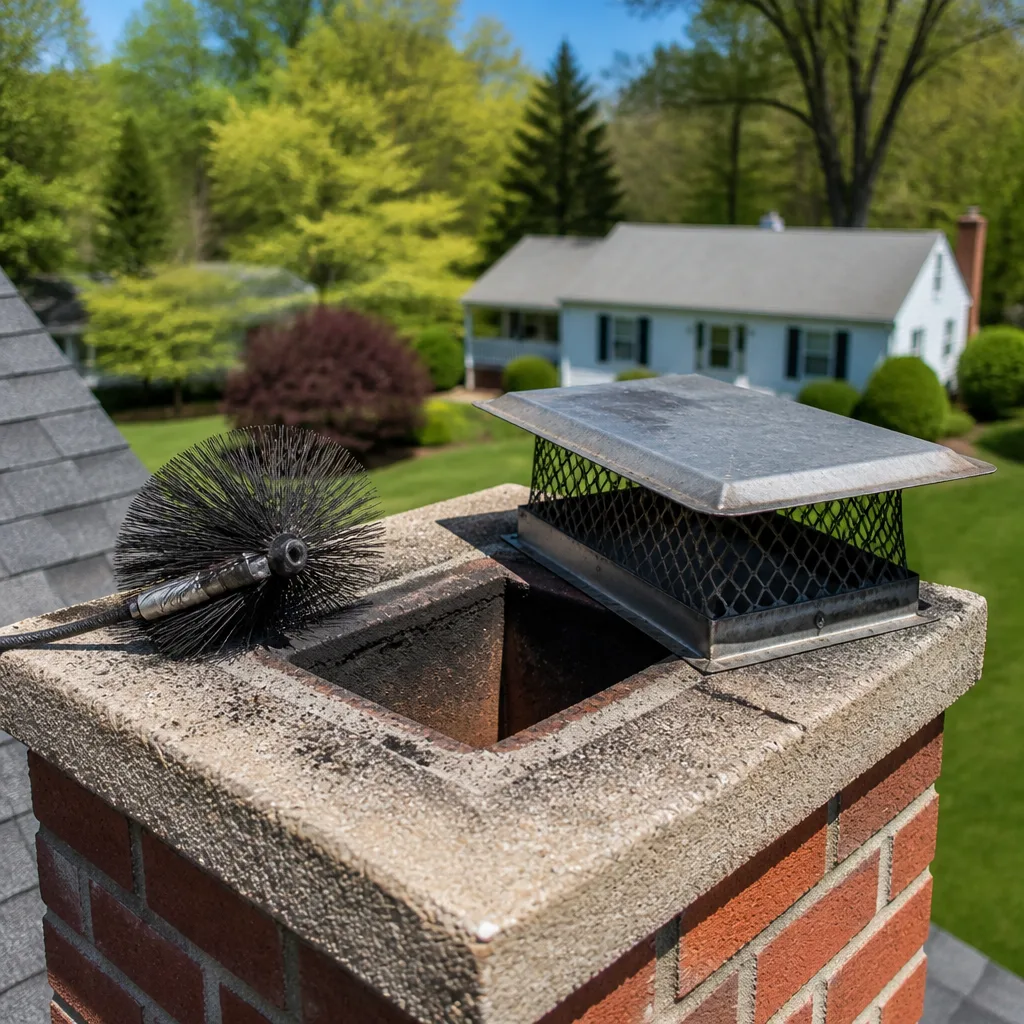 Sweep & inspection
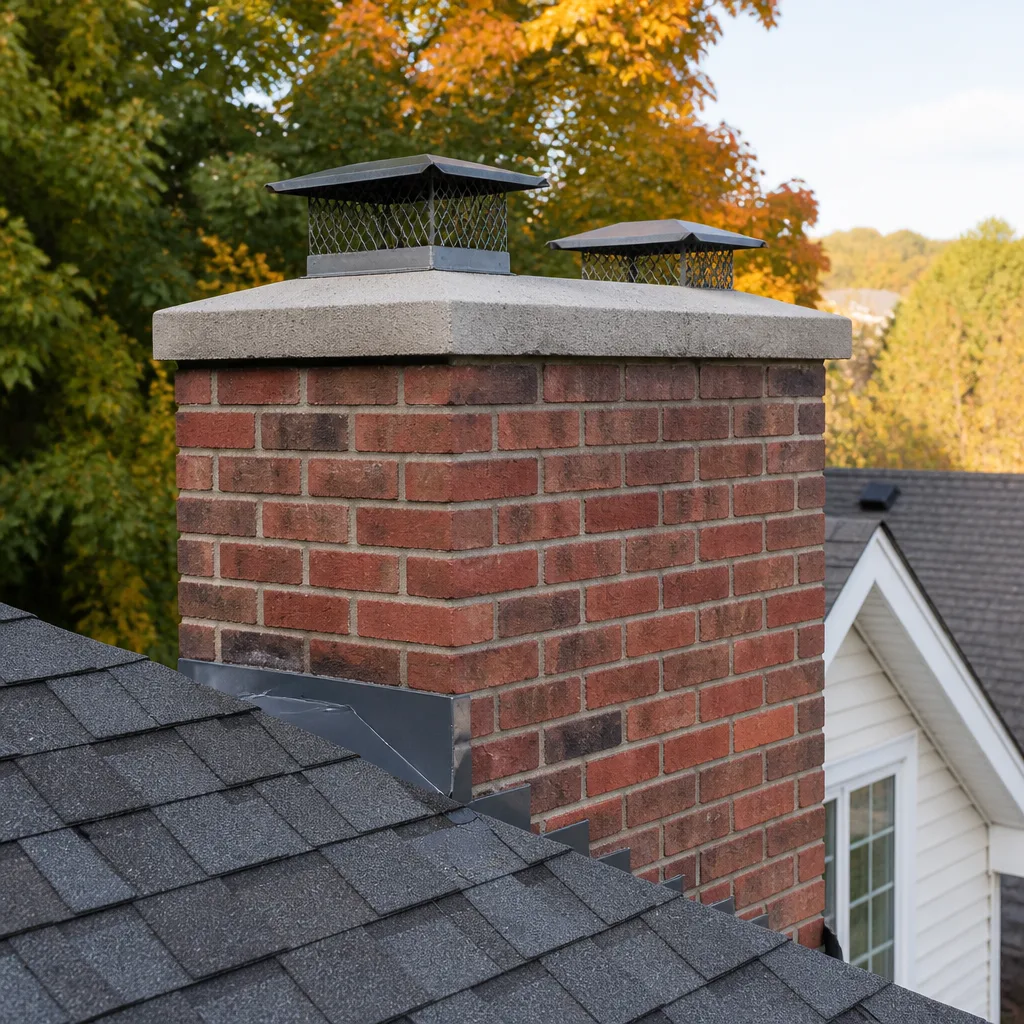 Caps & crowns
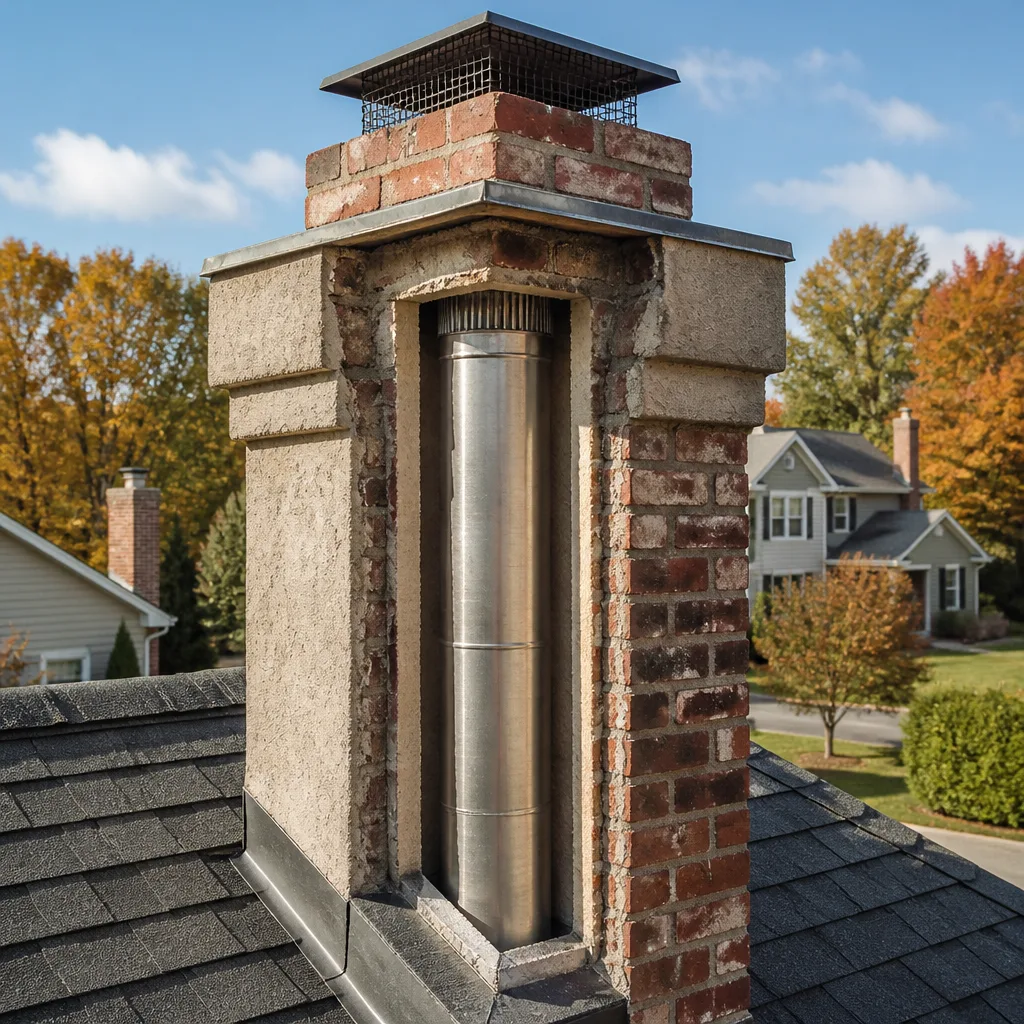 Flue relining
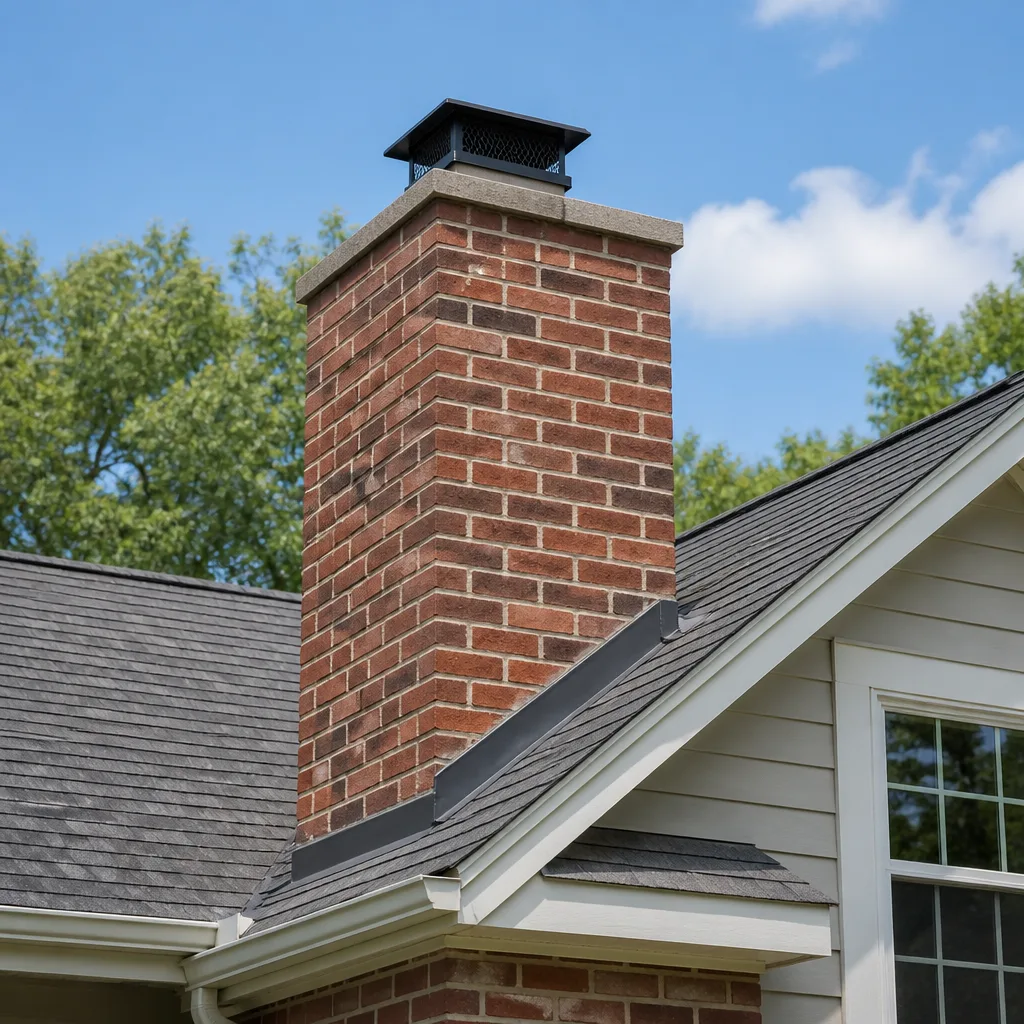 Masonry repair
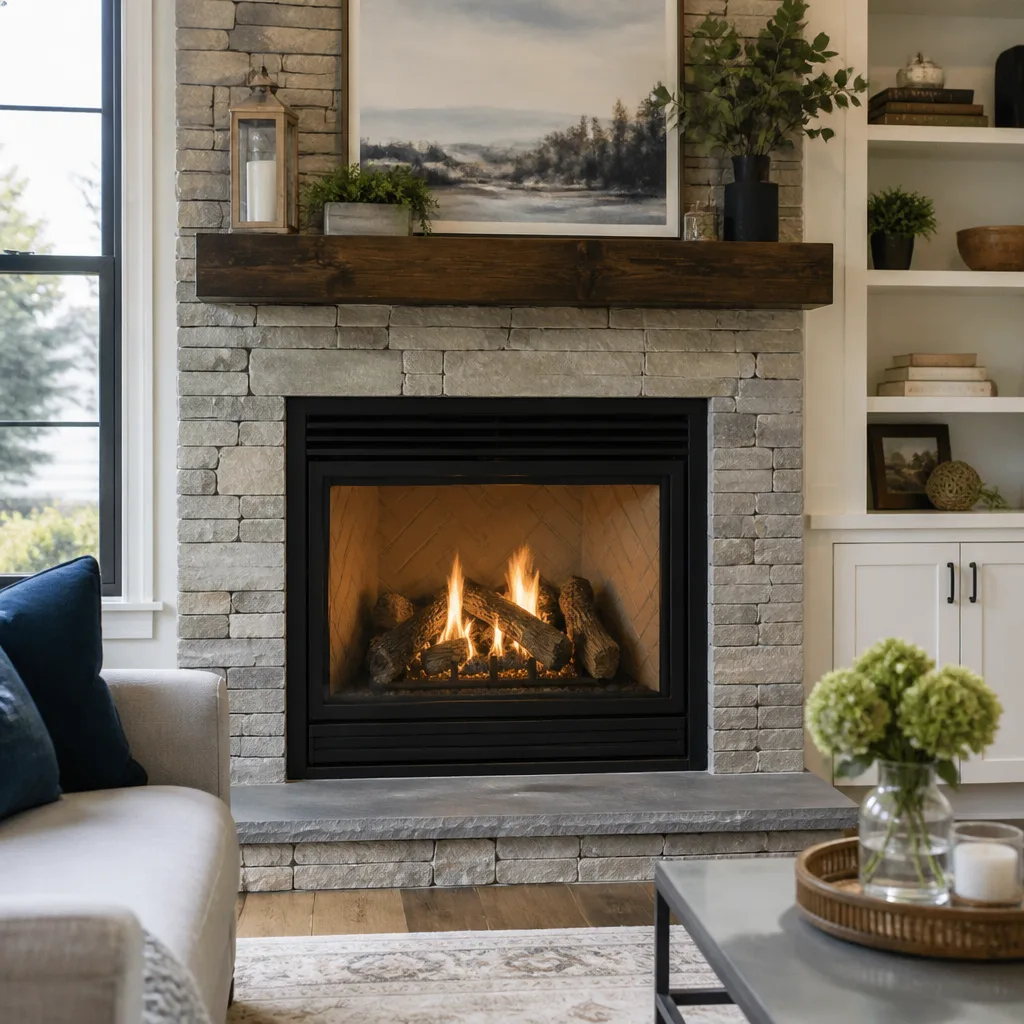 Gas fireplace service
Level 1 sweep and inspection to the NFPA 211 annual standard - flue, crown, cap, and flashing checked and photographed
Chimney sweep logs do not sweep chimneys. They loosen some creosote - which then falls where a brush and vacuum still have to collect it.
Chimney Cleaning Permits, Codes & Inspections in St. George, UT: What You Need to Know
A cleaning never needs a permit. A new stainless steel liner almost always does. The gap between those two things is exactly where most homeowners get surprised. You call for a routine sweep, the technician finds cracked flue tiles, and suddenly you’re weighing a repair that moves you from “maintenance” into “permitted construction” without anyone explaining that the rules changed under you. In St. George, that line matters more than most people realize, because Washington County sees a lot of older homes changing hands and a lot of fireplaces coming back into use after sitting idle. This guide walks through which chimney work requires a permit, which doesn’t, what an inspection has to document, and how unpermitted work surfaces at resale. By the end you’ll know exactly where the threshold sits before anyone picks up a tool.
Quick Answer
In St. George, routine chimney cleaning and a visual inspection do not require a permit. Relining a flue, rebuilding a crown, replacing a firebox, or any structural repair to the chimney generally does require a permit from the local building authority, and the work must follow NFPA 211, the national standard Utah has adopted for chimneys and venting. If you’re selling a home, expect the buyer’s inspector to look for evidence that any repair was permitted and done to that standard.
Styles & brands we work with
- Sweep & inspection
- Caps & crowns
- Flue relining
- Masonry repair
- Gas fireplace service
Table of Contents
- Who Has Jurisdiction Over Chimney Work in St. George?
- NFPA 211 and What It Means for Utah Homeowners
- Cleaning vs. Repair: Where the Permit Line Actually Sits
- The Three Levels of Chimney Inspection, Explained
- What a Level 2 Inspection Report Must Document
- How Unpermitted Chimney Work Surfaces at Resale
- Why St. George’s Climate Changes the Timeline
- Common Mistakes to Avoid
Who Has Jurisdiction Over Chimney Work in St. George?
Chimney permits in the St. George area fall under local building departments, and which one you deal with depends on exactly where the home sits. Properties inside St. George city limits go through the city’s building division. Homes in the unincorporated parts of Washington County fall under the county. A few outlying communities have their own arrangements. This matters because the permit application, the inspection schedule, and even how a repair is documented can vary slightly from one jurisdiction to the next.
The practical takeaway: whoever pulls the permit needs to know the property address, not just the city name. A home with a St. George mailing address isn’t automatically inside city limits. We’ve seen plenty of properties on the edges of the metro where the county handles the permit file.
Here’s a rough map of how it usually breaks down:
- St. George city limits: City building department issues the permit and performs the inspection.
- Unincorporated Washington County: County building authority handles it.
- Incorporated towns nearby: Each has its own building department, and the requirements can differ in detail.
For homeowners, the practical rule is simple. When a repair crosses into permitted territory, the contractor doing the work should be able to tell you which authority has jurisdiction and who is pulling the permit. If nobody can answer that question, that’s your first sign to slow down.
NFPA 211 and What It Means for Utah Homeowners
Utah has adopted NFPA 211, the national standard for chimneys, fireplaces, vents, and solid fuel-burning appliances. You don’t need to read the whole thing. But you should know what it governs, because it’s the standard an inspector, a real estate appraiser, and a building official will all reference when they evaluate a chimney.
NFPA 211 covers how a chimney must be constructed, how much clearance it needs from combustible materials, what condition a flue must be in to be used, and how inspections are conducted. It’s also the standard that establishes the three inspection levels we’ll walk through below. When a chimney professional says a flue “meets code,” what they mean in most cases is that it meets NFPA 211.
Two things in the standard come up constantly in St. George:
- Clearances. A chimney needs a specific distance from wood framing, insulation, and other combustible materials. Older homes sometimes have clearances that were never adequate by today’s standard, and that shows up during an inspection.
- Flue condition. A flue with cracked tiles, gaps in the mortar joints, or a deteriorated liner isn’t considered safe to use until it’s repaired or relined. That’s the condition most likely to push a home from “routine sweep” into “permitted repair.”
If you’re buying a home in the St. George area and the seller can’t produce an inspection report, ask for one. It’s a reasonable request, and it protects you from inheriting a chimney problem that gets expensive later.
Cleaning vs. Repair: Where the Permit Line Actually Sits
This is the section most homeowners actually need. The distinction between maintenance and repair isn’t always obvious until someone starts describing the work, so here’s how the categories typically shake out. It’s a general guide, not a substitute for what your specific jurisdiction decides, so confirm with the building department for anything unusual.
Work that generally does NOT require a permit:
- Routine sweeping and removal of creosote and debris
- Visual inspection (Level 1)
- Minor cap or spark arrestor replacement when it’s a direct swap with no structural change
- Removing a bird’s nest or animal blockage
Work that generally DOES require a permit:
- Installing a new stainless steel liner
- Rebuilding or replacing a chimney crown
- Firebox repair, including rebuilding masonry
- Chimney reconstruction above the roofline
- Adding a new chimney or altering an existing one
- Any repair that changes the structure, the flue path, or the clearances
The tricky cases are the in-between ones. A crown with a hairline crack might get sealed without a permit. A crown that’s crumbling apart needs a rebuild, and that’s permitted work. A flue with one cracked tile might get spot-repaired or resurfaced. A flue with extensive cracking needs a full reline. Those judgment calls are exactly why an inspection report matters, and why the decision shouldn’t be made on the basis of a quick glance from the ground. If a contractor tells you a repair is needed without having actually looked at the flue, be cautious.
The Three Levels of Chimney Inspection, Explained
NFPA 211 defines three inspection levels, and knowing which one you need saves time and money. Here’s the breakdown:
- Level 1 – Routine annual inspection. A visual check of the readily accessible portions of the chimney, from the firebox up to the top. It’s appropriate when the appliance hasn’t changed and there’s no known problem. This is what comes with a standard annual chimney sweep, and it’s what most St. George homeowners actually need.
- Level 2 – Inspection at transfer or after a change. This is the one that comes up at real estate sales, after a chimney fire, after a major repair, or when a new appliance is installed. It goes further than a Level 1, using a camera to view the interior of the flue and documenting what’s found in detail.
- Level 3 – Diagnostic inspection. This is reserved for situations where a Level 2 found a problem that can’t be diagnosed without opening up the structure – removing a section of wall or masonry to see behind it. It’s the least common and the most involved.
Most homeowners will only ever encounter Levels 1 and 2. The confusion comes when someone buys a home in St. George and the inspector notes “chimney not inspected” on the report. That’s a cue to get a Level 2 done before closing, not after.
What a Level 2 Inspection Report Must Document
A Level 2 inspection report is what satisfies most home sale inspection requirements, so it pays to know what should be in it. If you receive a report that’s one paragraph long and says “chimney looks good,” that’s not a Level 2 report. Here’s what proper documentation covers:
- Appliance details. What’s connected to the chimney, its type, and how it vents.
- Flue interior condition. Photographs or video of the flue interior, documented by section, showing the condition of tiles, joints, and liner.
- Clearances. Documented clearances between the chimney and combustible materials visible from accessible areas.
- Exterior condition. The crown, cap, flashing, and masonry or siding condition above the roofline.
- Findings and recommendations. What was found, whether it’s safe to use, and what (if anything) needs repair before it can be used.
The report should include images you can actually look at. In our experience, this is where a lot of homeowners get caught short – a report that documents deficiencies but gives no visual evidence is hard to act on and hard to defend if a buyer’s inspector disagrees. When we perform an inspection, the camera findings are part of what the homeowner receives, because you can’t make good decisions about a flue you can’t see. The same principle applies to the other major fire-risk system in your home: a dryer vent cleaning is far more useful when you can see what came out of the vent line.
How Unpermitted Chimney Work Surfaces at Resale
Unpermitted chimney repairs almost always get discovered at the same moment: shortly before a home sale closes. Here’s the sequence, which is remarkably consistent.
- The buyer’s home inspector flags the chimney. Common notes include “chimney flue appears to have been repaired” or “chimney does not appear to be of original construction.”
- The buyer asks for documentation. The seller has an invoice but no permit. The buyer’s agent asks when the work was done and who permitted it.
- The title company or lender becomes involved. Some lenders won’t fund a mortgage on a home with unpermitted structural work, and title issues can follow the home for years.
- Remediation begins. Depending on what was done, remediation can mean a re-inspection, a permit pulled after the fact, or in the worst case removing and redoing the work to make it inspectable.
The cost of remediation varies, but the pattern is consistent: it’s always more expensive than doing it right the first time. A permitted job with an inspection file costs less than an unpermitted job that has to be re-opened, re-inspected, and in some cases re-done. If you’re planning a chimney repair in St. George that crosses into permitted work, the permit isn’t a bureaucratic formality. It’s the paper trail that protects the value of your home.
Why St. George’s Climate Changes the Timeline
St. George sits in a high desert valley, and that shows up in chimney condition in ways that homeowners from wetter climates don’t expect. A few local patterns matter:
- Fireplaces sit idle for years, then come back into service. St. George sees a lot of homes where the fireplace hasn’t been used since the previous owner moved out. When a new owner lights their first fire, the flue may not have been looked at in over a decade.
- Crowns and masonry take a beating from summer heat and winter freeze-thaw. Thermal expansion and contraction over the seasons causes the crown and masonry joints to crack. Cracks that start as cosmetic can open up to the point where water gets in, which damages the flue.
- Seasonal wind carries desert dust and debris. Caps and spark arrestors clog, and flues can accumulate more debris than they would in a wetter climate between uses.
The practical result is that the “annual sweep” guideline is the floor, not the ceiling. If a St. George home has been sitting vacant or a fireplace hasn’t been used in years, get an inspection before lighting it, regardless of when the last sweep was.
Common Mistakes to Avoid
- Skipping the permit on a reline. A new stainless liner is arguably the most common chimney repair in St. George, and it’s also one of the most commonly done unpermitted. Treat the liner install as permitted work unless your building department says otherwise.
- Accepting a report with no visual evidence. If a contractor tells you your flue needs a repair but won’t show you what they saw, get a second opinion. The evidence is part of what you’re paying for.
- Repairing without inspecting first. A crown rebuild is the right answer for a crumbling crown. It’s the wrong answer for a crown that just needs caulking. Inspect before you repair, every time.
- Waiting for the sale to look at the chimney. If you’re listing a home in St. George, get a Level 2 inspection before the listing goes live. It’s far easier to correct a finding when you’re the one choosing the timeline.
- Using the wrong parts. Chimney repairs need materials built for the application. Hardware-store substitutions look fine on day one and fail years before professional-grade systems do. We work with DuraFlex and Olympia Chimney on the liner side because those components are built for the purpose.
- Assuming “cleaned” means “safe.” A clean chimney and a safe chimney aren’t always the same thing. The sweep removes creosote; the inspection tells you whether it’s safe to use.
- Skipping the other vent in the house. Dryer vents are the leading appliance-related house fire cause nationwide, and they age the same way chimneys do. If you’re having one vent system looked at, look at both.
- Ignoring a masonry crack “because it’s small.” Small cracks in the crown or masonry widen with each freeze-thaw cycle. What starts as cosmetic can become a structural repair if left through a winter.
When to Call a Professional
Some things are checking-yourself territory. Some are not. Call a professional if you smell smoke inside the house when the fireplace is lit, if you see staining on the ceiling or walls near the chimney, if you notice creosote buildup more than a quarter-inch thick on the flue walls, if the chimney crown is visibly cracked or crumbling, or if you’ve had a chimney fire – even a small one. Call if the flue damper doesn’t open freely, if the chimney shows signs of water intrusion, or if the fireplace hasn’t been used in years and you’re ready to light the first fire. In St. George, we also recommend a call before a home sale closes, so the inspection is in hand before the buyer asks for it. Glacier Chimney Sweep offers free estimates in St. George. Call (877) 327-1971. We answer 24/7. Fast dispatch from 7am to 7pm, Sunday through Friday.
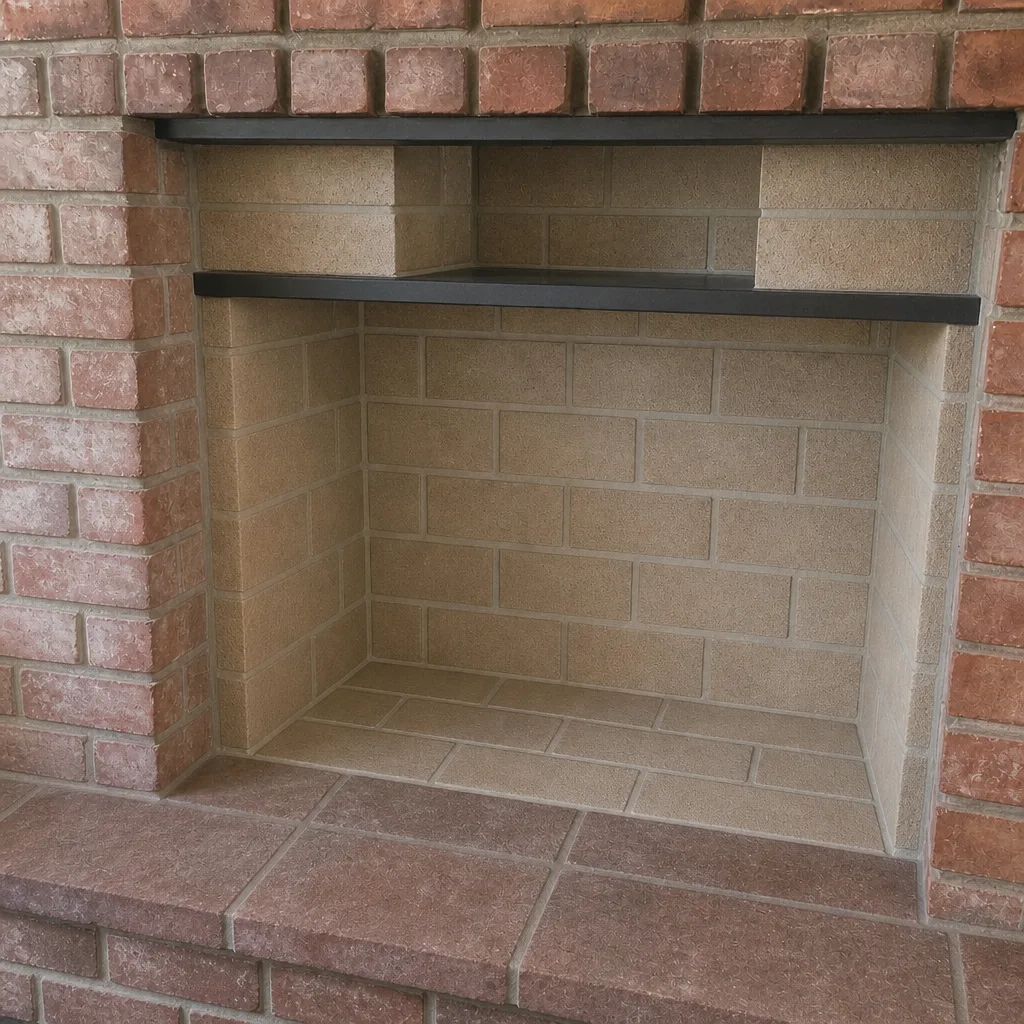
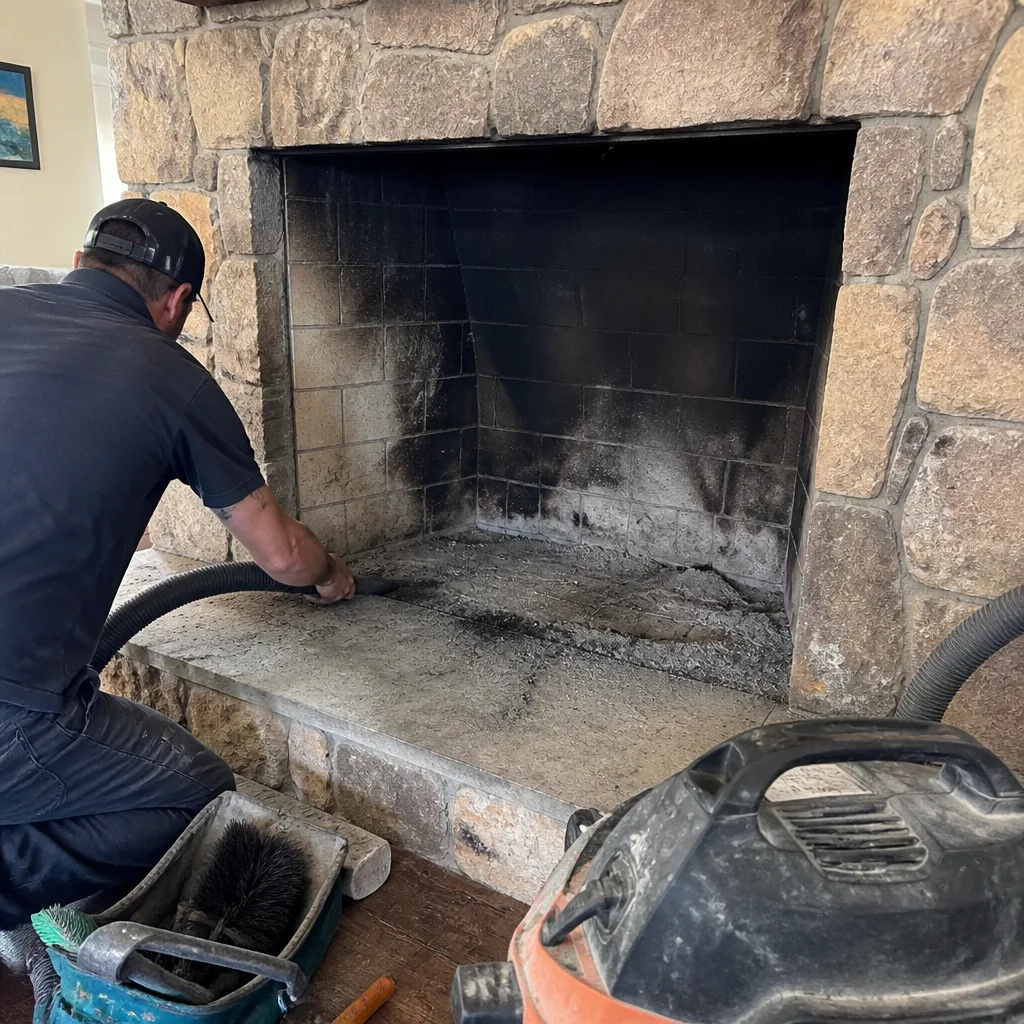
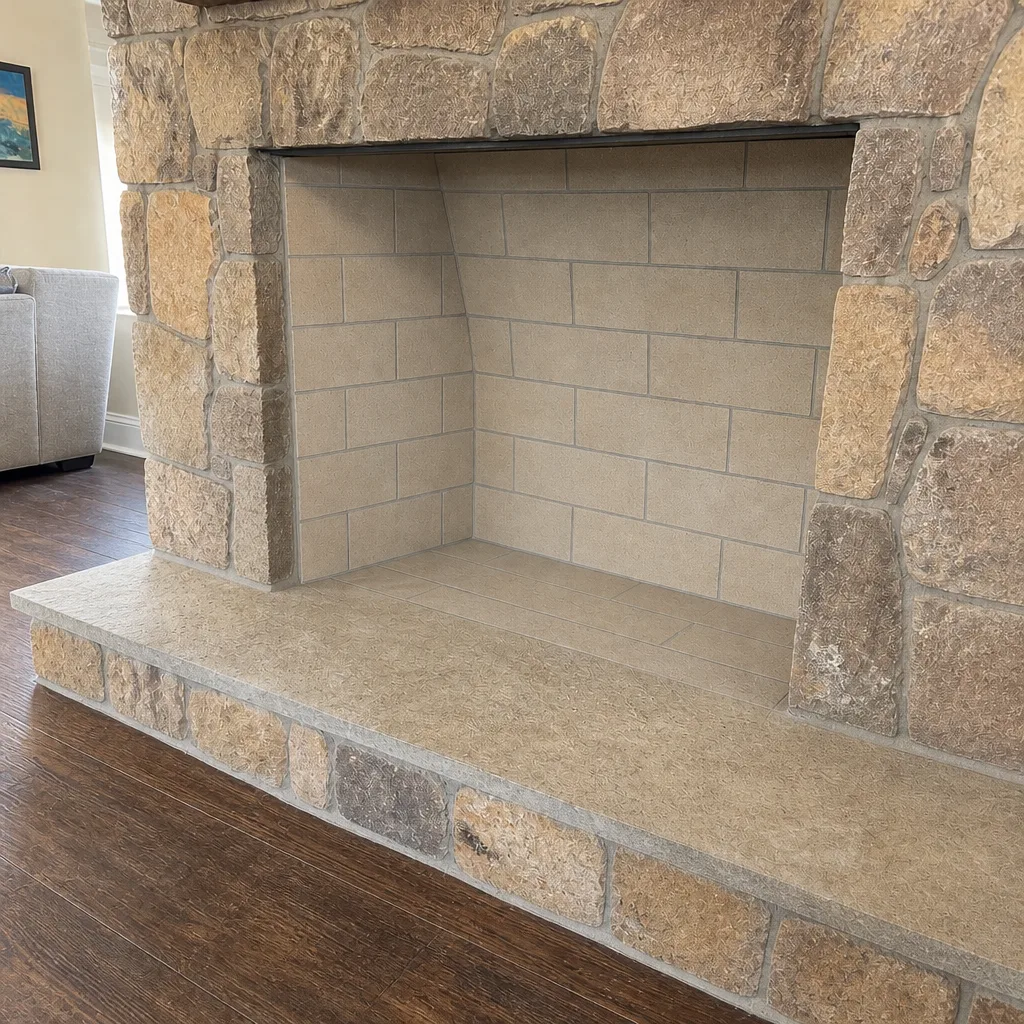
See the difference
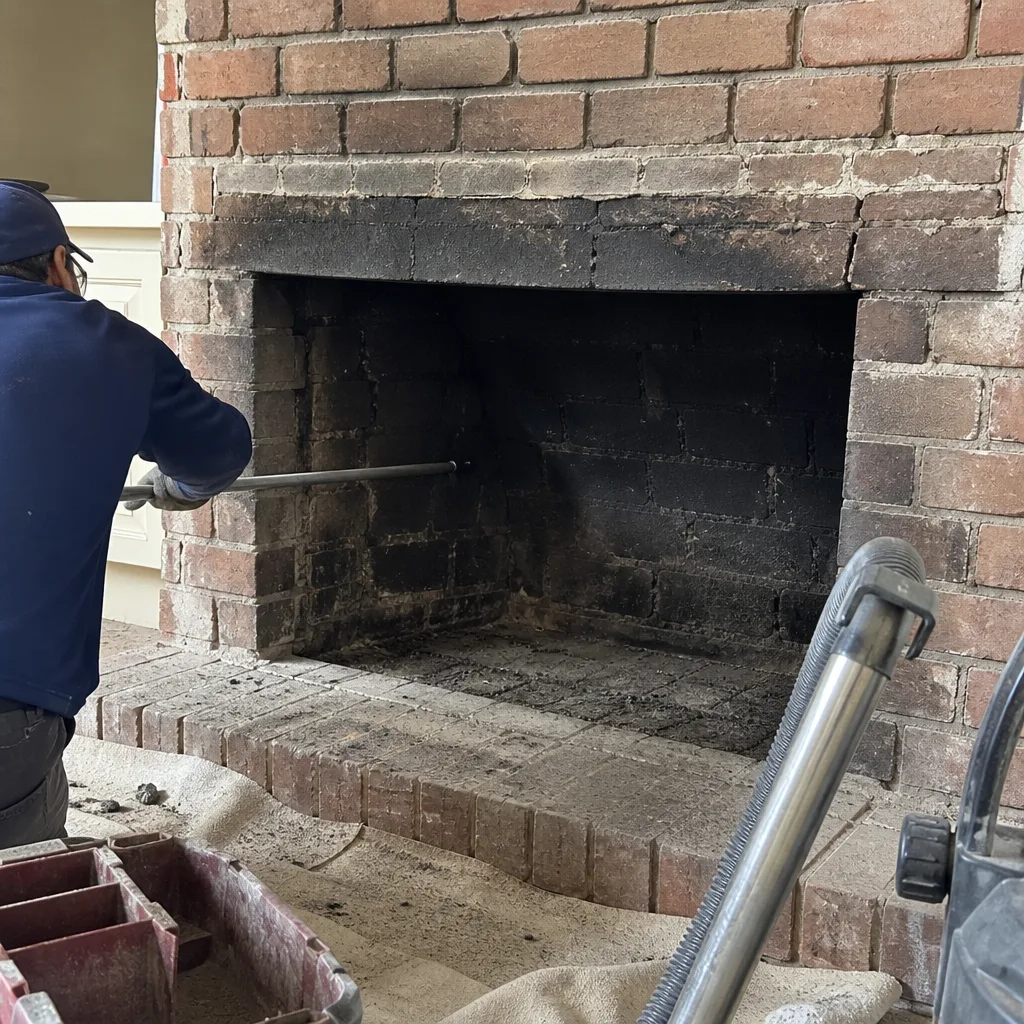 Before
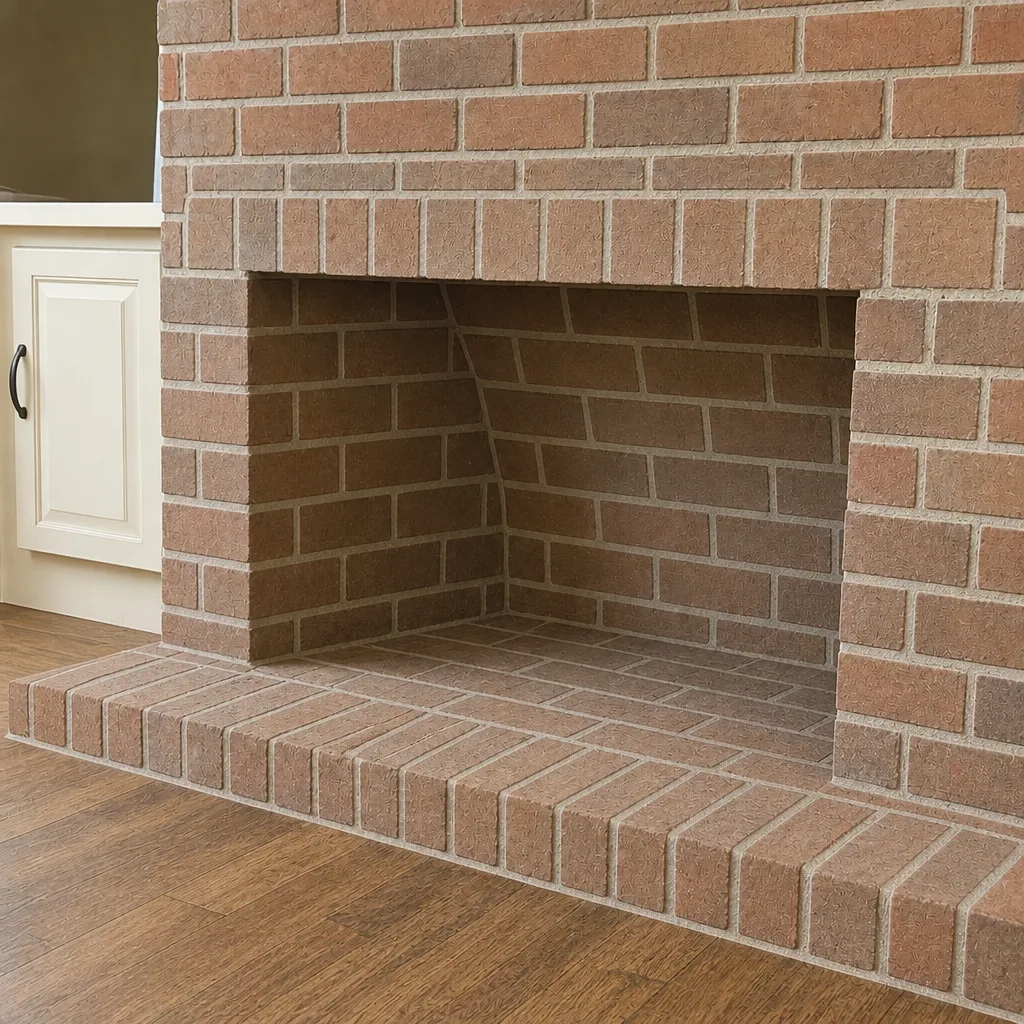 After
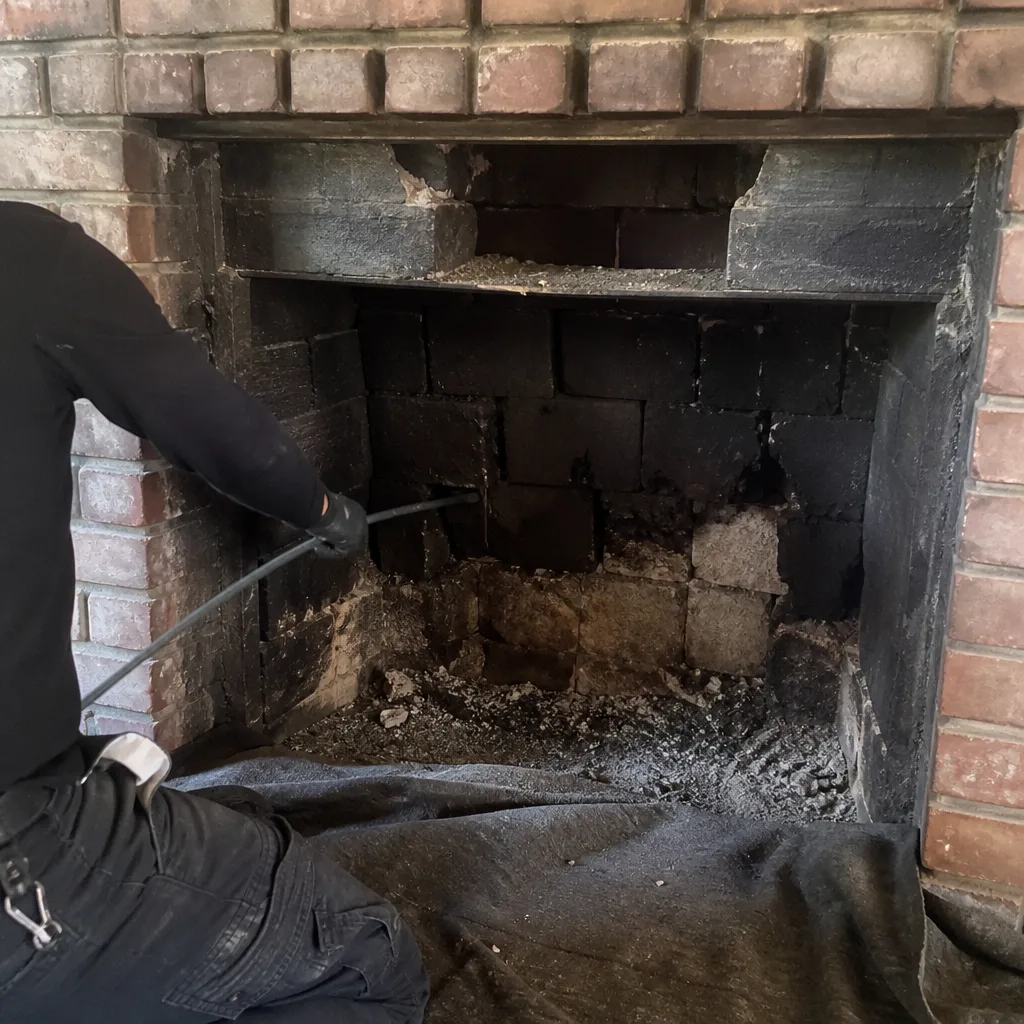 Before
 After
 Before
 After
Frequently Asked Questions
No. Routine chimney cleaning and a visual inspection do not require a permit in St. George. Permits come into play when the work is a repair – relining, crown work, firebox repair, or anything structural. If you’re unsure whether a specific repair needs a permit, call your building department and describe the scope. Call (877) 327-1971 for a free estimate on the cleaning or the repair.
In most cases, yes. A new stainless steel liner is a structural change to the flue, and local building departments generally require a permit for the installation. The contractor doing the work should be able to tell you which jurisdiction has authority and who is pulling the permit. If nobody can answer that question, that’s a red flag. Call (877) 327-1971 for a free estimate.
A Level 2 inspection is a more thorough inspection than a routine visual check, using a camera to view the interior of the flue and documenting what’s found in detail. You need one at a home sale, after a chimney fire, after a major repair, or when a new appliance is installed. In St. George, it’s commonly what a buyer’s inspection report references. Call (877) 327-1971 for a free estimate.
Once a year is the standard. St. George’s climate adds two reasons to stick to it: seasonal wind carries debris into caps and flues, and summer heat combined with winter freeze-thaw cycles works on crowns and masonry all year. If the fireplace hasn’t been used in years, get an inspection before lighting it, regardless of when the last one was done. Call (877) 327-1971 for a free estimate.
It surfaces at the buyer’s inspection, and remediation can mean a re-inspection, a permit pulled after the fact, or in some cases redoing the work to make it inspectable. It’s consistently more expensive than doing the job permitted the first time. If you’re listing a home in St. George, get a Level 2 inspection before the listing goes live. Call (877) 327-1971 for a free estimate.
Yes. Properties inside St. George city limits go through the city building department. Homes in unincorporated Washington County go through the county, and incorporated towns nearby have their own. The permit application and inspection process can vary slightly by jurisdiction, so confirm the address with the right authority before work begins. Call (877) 327-1971 for a free estimate.
The Bottom Line
Chimney cleaning in St. George doesn’t need a permit. Relining, crown rebuilds, firebox repair, and structural work generally do. NFPA 211 is the standard a permit inspection will reference, and it’s also the standard a home sale depends on. A Level 2 inspection report with photographic evidence is what satisfies a buyer, a lender, and a building inspector at the same time – and getting it before the sale is far cheaper than getting it after. If a repair is needed, do it permitted, do it with professional-grade materials, and keep the paper trail. We’re glad to walk through what your specific home needs; the estimate is free. Learn more about Glacier Chimney Sweep and how we approach this work, or reach out for service in St. George.
Contact
Call (877) 327-1971 for a free estimate. We answer 24/7. Fast dispatch from 7am to 7pm, Sunday through Friday.
Written by the team at Glacier Chimney Sweep.