
Last updated November 15, 2026
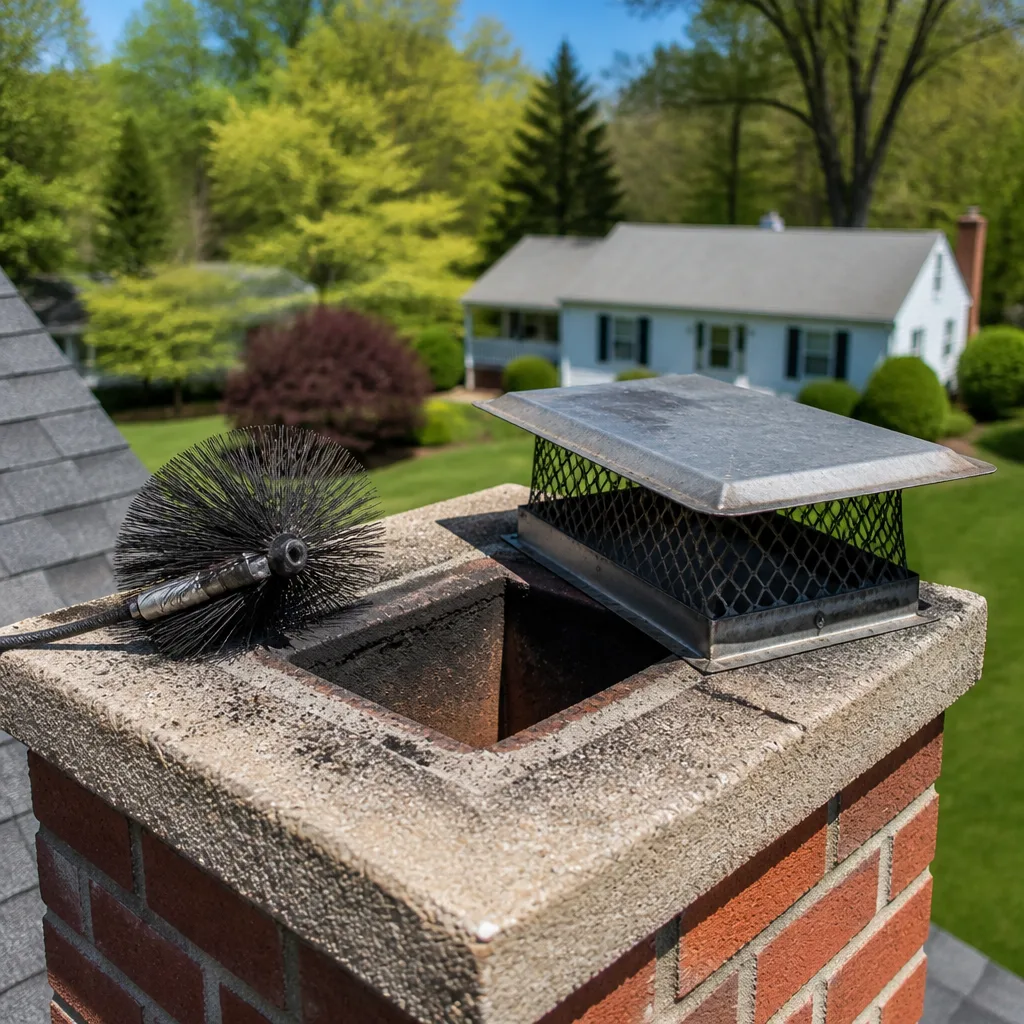 Sweep & inspection
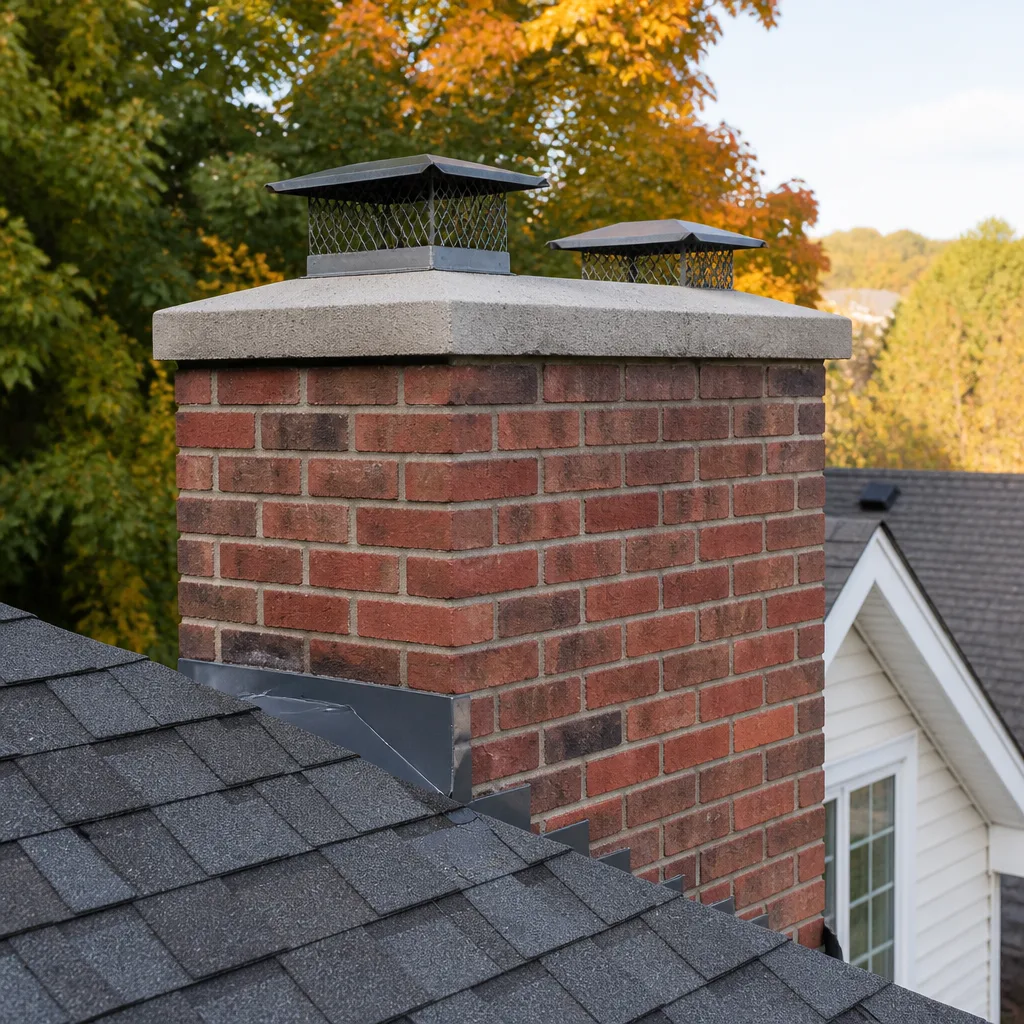 Caps & crowns
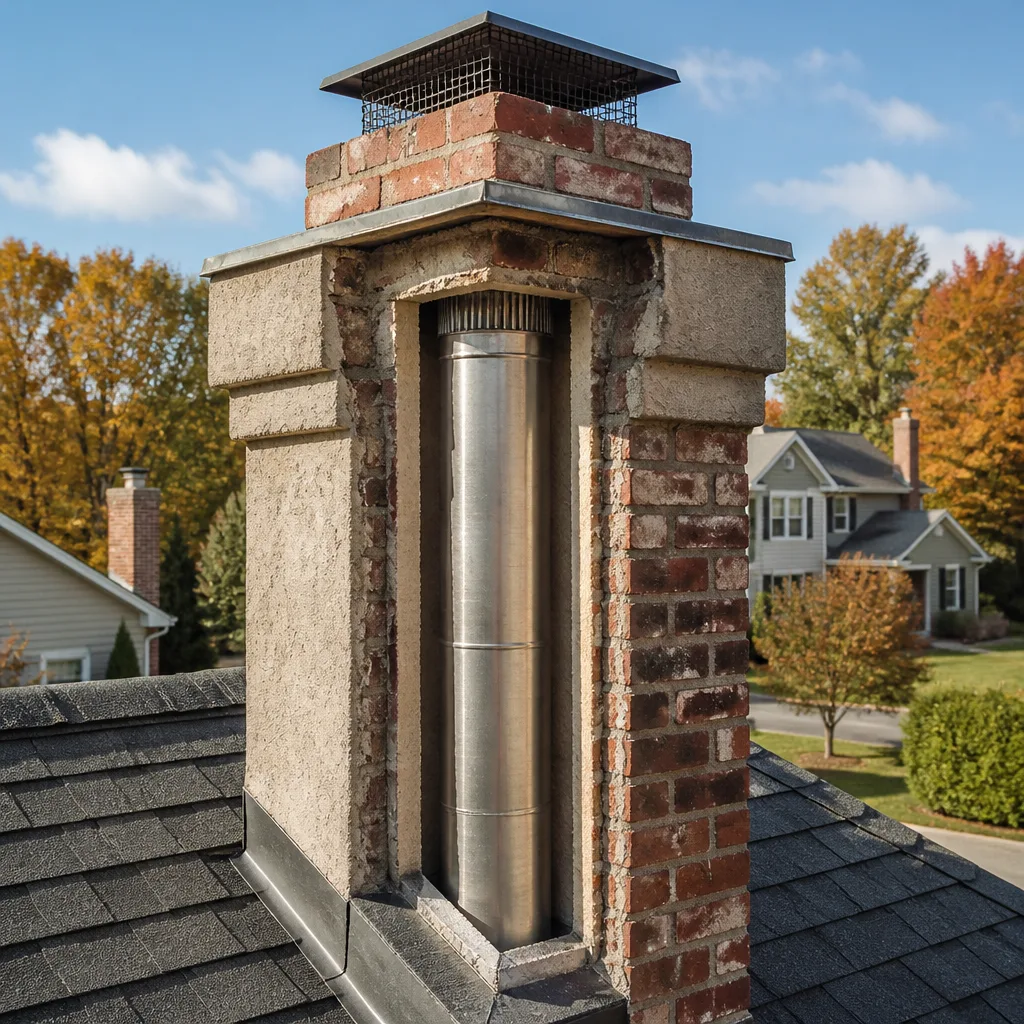 Flue relining
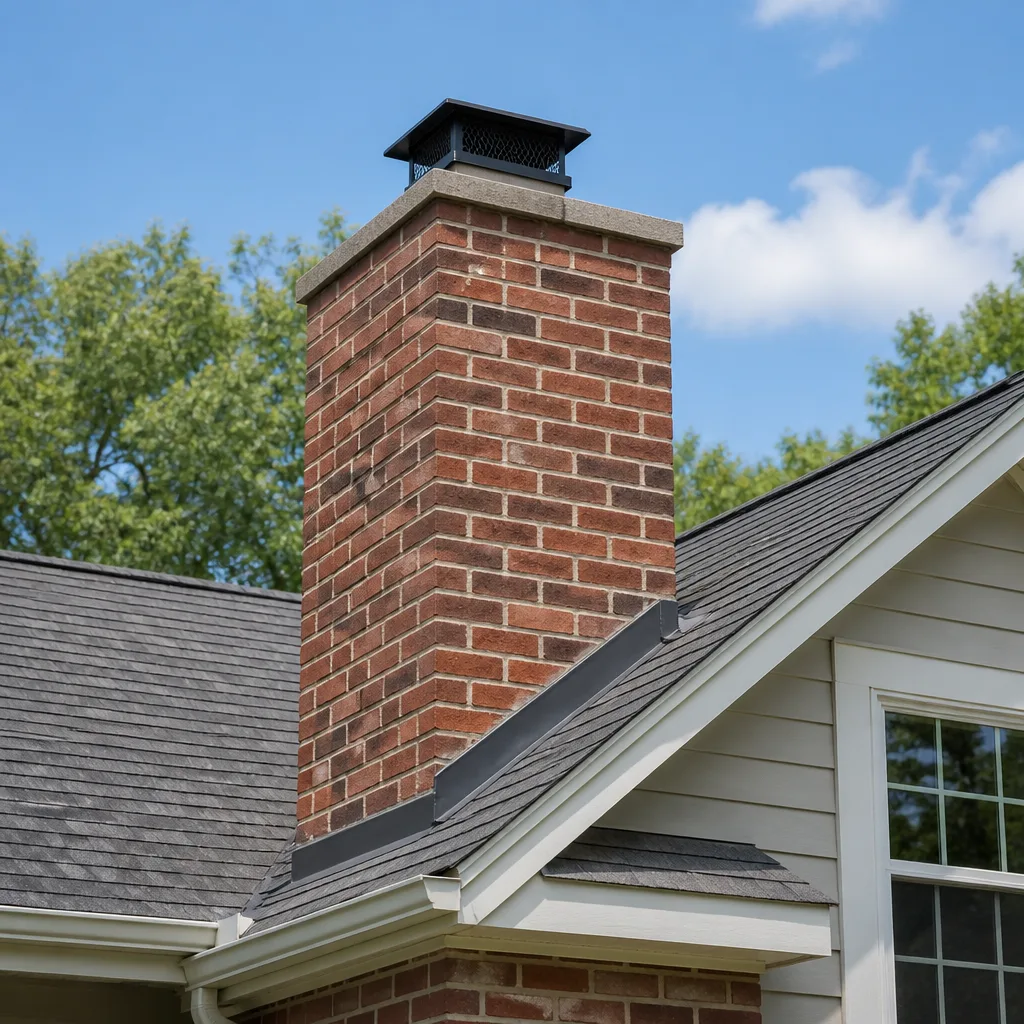 Masonry repair
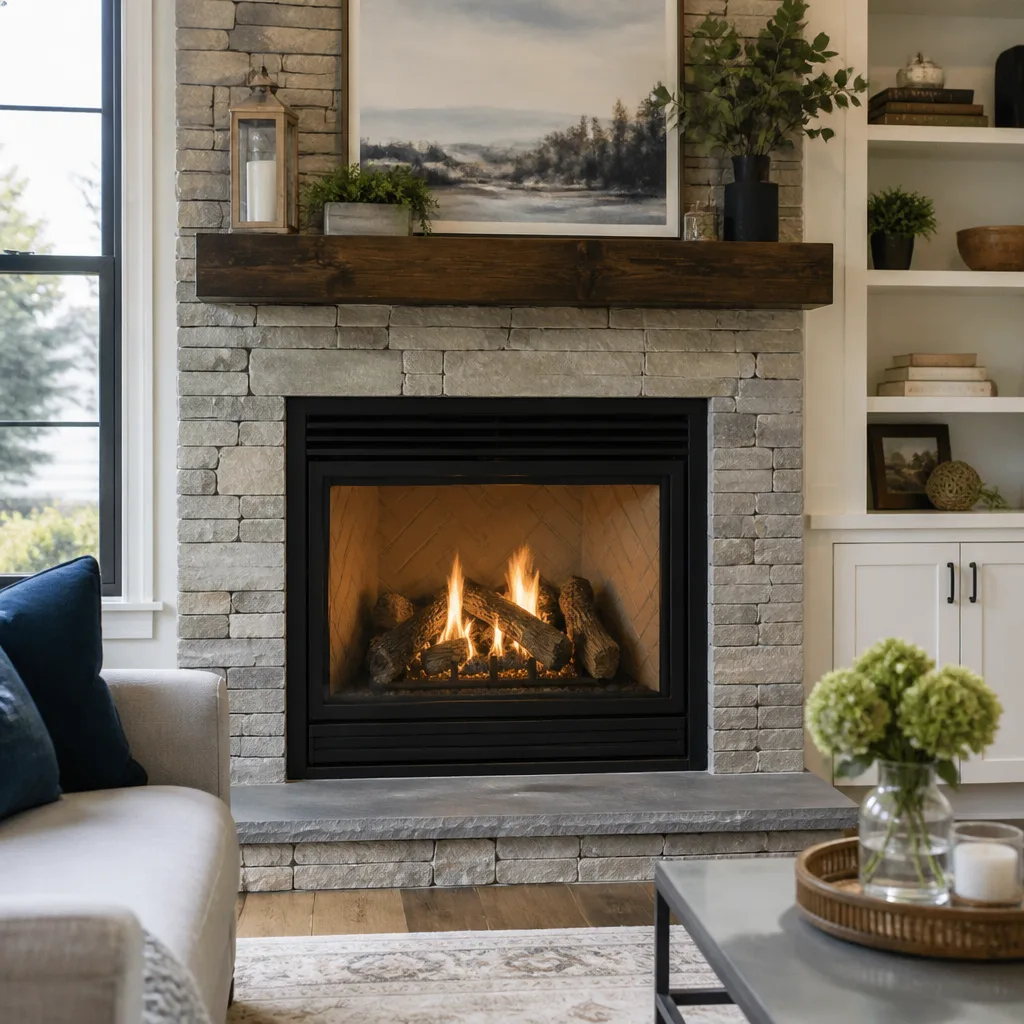 Gas fireplace service
Level 1 sweep and inspection to the NFPA 211 annual standard - flue, crown, cap, and flashing checked and photographed
Chimney sweep logs do not sweep chimneys. They loosen some creosote - which then falls where a brush and vacuum still have to collect it.
Chimney Cleaning Emergency Preparedness Guide for St. George Homes
A chimney fire is loud. You’ll hear the roar, the popping, the vibration through the flue. You’ll know something is wrong. Carbon monoxide from a cracked heat exchanger or a blocked gas vent liner will not announce itself at all. That’s the emergency most St. George homeowners are actually unprepared for, and it’s the one a cleaning and inspection schedule is built to prevent. Southern Utah’s sealed, tightly built newer homes hold that gas indoors rather than letting it leak away, so the newer the house, the less room there is for error. This guide covers both emergency types, what to do in the first four minutes of a fire, where your CO detectors should actually sit, how to set a maintenance schedule by system type, and what has to be inspected before you use the fireplace again.
Quick Answer
Chimney emergency preparedness in St. George means preparing for two different events: a thermal chimney fire (loud, visible, immediate) and carbon monoxide migration from a failed gas insert or blocked flue (silent, gradual, more common). Prevention for both comes down to the same discipline – an annual inspection and sweep matched to how you actually use the system, correctly placed CO detectors, and a professional inspection before any fireplace is reused after an incident.
Styles & brands we work with
- Sweep & inspection
- Caps & crowns
- Flue relining
- Masonry repair
- Gas fireplace service
Table of Contents
- The Two Chimney Emergencies St. George Homes Face
- What to Do in the First Four Minutes of a Chimney Fire
- Where Your CO Detectors Should Actually Be
- Why Gas Inserts and Fireplace Heaters Fail Differently
- Building a Maintenance Schedule by System Type
- Post-Emergency Protocol and Insurance Documentation
- How St. George Conditions Affect Chimney Health
- The Second Venting System You’re Probably Ignoring
The Two Chimney Emergencies St. George Homes Face
Most preparedness advice lumps all chimney problems into one bucket labeled “fire.” That’s a mistake, because the two events have different warning signs, different timelines, and different prevention strategies. Knowing which one you’re guarding against changes what you do.
Thermal events. A chimney fire happens when creosote – the tar-like residue that builds up on flue walls as wood smoke cools – ignites. It’s fast, it’s hot, and it can crack masonry, warp a liner, or spread into framing before you finish dialing 911. The prevention is creosote removal: a chimney sweep at the right interval for your burn volume.
CO migration. Carbon monoxide is a byproduct of incomplete combustion, and every gas or wood appliance produces some. Normally it exits up the flue. It stops exiting when the flue is blocked (nest debris, a collapsed liner section, a soot avalanche), when the liner itself is cracked and gas escapes into the wall cavity, or when a heat exchanger in a gas insert fails and combustion gases mix with room air. There is no sound. There is no smell. You may feel a headache first.
The difference in prevention matters. A sweep prevents creosote ignition. An inspection – camera work included – catches the blocked flue and the cracked liner that cause CO migration. The two services are related but not interchangeable, and a St. George home with a gas insert needs the inspection side every bit as much as a wood-burning home needs the sweep.
What Each Type Costs You in Warning Time
- Thermal fire: minutes to act, and the building tells you it’s happening.
- CO migration: hours to days of undetected exposure, and only a detector tells you.
St. George’s newer subdivisions, where homes are built tight for summer cooling efficiency, compound the CO side. Winter air exchange in a sealed house is limited, so a small leak that would dissipate in a drafty older home can accumulate indoors instead. That’s the counterintuitive part: the energy-efficient construction that keeps August electric bills sane is the same construction that makes a blocked flue more dangerous in January.
What to Do in the First Four Minutes of a Chimney Fire
A chimney fire is not the moment for a garden hose or a DIY extinguisher attempt. Chimney fires burn at temperatures high enough to damage the flue, and water introduced into an overheated masonry or metal flue can cause a steam explosion or a structural crack. Your job in the first four minutes is to remove the fuel, protect the occupants, and get the fire department moving.
- Close the glass doors and the damper. Starve the fire of air. The flue fire needs oxygen to keep burning.
- Get everyone out of the house. Not to the front yard. Across the street or to a neighbor’s.
- Call 911. Even if the roar stops. A chimney fire can travel in a wall cavity and reignite after it appears extinguished. The fire department needs eyes on it.
- Do not spray water into the flue. Do not climb onto the roof. Do not try to close the damper if it’s already too hot to touch.
If, after the fire department has cleared the scene, you notice smoke or a burning smell returning, treat it as an active fire and call 911 again. A fire that seems to have gone out may still be burning in a liner gap.
When You Can Self-Manage
Some chimney events are not fires and do not require a 911 call: a puff of smoke backing into the room when you open the damper, a downdraft on a windy day, a faint smell of creosote when the fireplace is cold. Those are “call us and book an appointment” problems, not emergency problems. Fast dispatch from 7am to 7pm, Sunday through Friday, covers them. The distinction is simple: if there’s visible flame at the top of the chimney, roaring, or heavy smoke in the room that doesn’t clear in a minute, that’s a 911 call. If you smell something odd but nothing is burning, that’s a diagnosis call.
Where Your CO Detectors Should Actually Be
Most homeowners put one CO detector in the hallway near the bedrooms and call it done. That placement is a start, but it misses the two locations that matter most in a home with a gas insert or fireplace heater.
Carbon monoxide is slightly lighter than air but mixes readily with it, so it doesn’t simply rise and pool at the ceiling the way some people assume. The practical placement logic is about proximity to the source and to sleeping occupants.
- One detector in the room with the gas insert or fireplace heater. Ideally within ten feet of the appliance, mounted at a height where you’ll see the display (not tucked behind furniture).
- One detector in each sleeping area or the hallway immediately outside it. This is the standard placement most people get right.
- One detector on any level of the home without a detector. A basement, a converted garage, a second-floor bedroom wing that’s far from the fireplace.
- One detector near the furnace and water heater if they share a flue with the fireplace. A shared flue is a shared failure path.
Test each unit monthly and replace the sensing element on the manufacturer’s schedule. A detector that’s been quietly beeping its end-of-life warning for a month is not protecting anyone.
Warning Signs Your Gas Insert Is Producing CO
You will not smell carbon monoxide. You may notice a few secondary clues if a gas appliance is running dirty: a yellow or orange burner flame where you’d normally see blue, soot streaks on the glass or firebox, unusual condensation on the fireplace surround, or a headache that improves when you leave the room. None of these are proof. They’re reasons to shut the appliance off and get the flue inspected before you use it again. A camera inspection is how we confirm whether a liner has failed versus whether the issue is elsewhere – and we show you the footage so you can see the same thing we do.
Why Gas Inserts and Fireplace Heaters Fail Differently
A wood-burning fireplace fails predictably: creosote accumulates, the flue narrows, eventually it ignites. Gas inserts fail in ways that don’t follow that timeline, and that’s why they catch homeowners off guard.
The heat exchanger. A gas fireplace heater has a heat exchanger that separates combustion exhaust from the room air it warms. When that metal cracks – from thermal cycling over seasons of use – exhaust mixes into the air being blown into your living room. The appliance still looks like it’s working. The flame still burns. There’s just CO in the airstream now. No sweep of the flue will catch this; a technician’s inspection of the unit and the liner will.
The liner. Gas appliances produce moisture as a combustion byproduct. A lined gas flue that has developed a crack or a deteriorated joint can let that exhaust into the wall cavity rather than out the top. In older St. George homes where the gas insert was retrofitted into a wood fireplace, the original flue may never have been sized or lined for the gas appliance that now uses it.
The blocked termination. Birds, wind-blown debris, and in the St. George area, the occasional nest built over a warm cap during cool months can close off the top of the flue entirely. A blocked termination on a gas insert doesn’t give you a smoky smell the way a wood fireplace would; it just pushes exhaust back down.
This is where a full inspection – not just a sweep – earns its cost. If the outcome is a compromised liner, HeatShield ceramic resurfacing can restore it in some cases rather than replacing it outright, which is the kind of distinction we’ll tell you honestly when we see the condition. If a full reline is what’s needed, DuraFlex liner systems are what we install.
Building a Maintenance Schedule by System Type
The right maintenance interval depends on what you burn, how often, and how the system was built. A universal “once a year” rule is a decent starting point, but it’s not precise enough to drive your actual schedule. Here’s how to think about it by system type.
Wood-Burning Fireplace, Regular Winter Use
Sweep once per cord of wood burned, or annually at minimum. If you burn more than two or three cords a season, plan on a mid-season sweep in addition to your fall appointment. If you burn occasionally (a few fires a month), the annual sweep is usually enough, though an inspection is still worth booking when you first move into a home with a fireplace you’ve never used.
Wood-Burning Fireplace, Occasional Use
Annual inspection, sweep as the inspection indicates. Creosote builds slowly with low usage, but it builds – and creosote that has sat for multiple years can glaze into a harder, more flammable form that’s more difficult to remove.
Gas Insert or Fireplace Heater
Annual inspection of the appliance, liner, and termination. A gas insert that runs as a primary heat source may need the liner inspected more frequently than a decorative one. The heat exchanger should be checked at every visit.
Pellet Stove
Annual sweep and inspection, with the flue assessed for ash accumulation specific to pellet burning. Pellet ash is finer than wood ash and settles in ways that can create unexpected blockages in an otherwise clean-looking flue.
New-to-You Home
Book an inspection before your first fire. This applies whether the home is brand new (the fireplace has never been verified by anyone who knows what they’re looking at) or older (the flue has an unknown history). An inspection with camera footage establishes a baseline you can compare against year to year.
For a St. George home, put your annual appointment on the calendar in late summer or early fall – before the first cold snap triggers everyone else’s booking, and before burning season begins. Homes in the higher-elevation spots around St. George that see colder nights will want their sweep done earlier; homes down in the valley where the fireplace gets used a few weeks a year have a little more flexibility.
Post-Emergency Protocol and Insurance Documentation
After any chimney fire, CO event, or even a minor smoke-back incident, the fireplace is out of service until a professional inspection confirms it’s safe. There isn’t a scenario where the right answer is “it looks fine, we’ll use it.”
What must be inspected before the fireplace is used again:
- The full length of the flue, with camera footage you can see.
- The firebox, damper, and smoke chamber for cracks and heat damage.
- The chimney exterior for cracked masonry, spalling, or a shifted crown.
- The liner, for gaps, deformation, or separation at the joints.
- Adjacent framing, if the fire was severe enough to heat the chase.
Documentation to retain for insurance:
- The inspection report, including camera footage or stills of any deficiency found.
- Photos of the appliance, the firebox, and the chimney exterior.
- Records of the maintenance history leading up to the incident – your prior sweeps, prior inspection reports, and dates of service.
- The fire department’s report, if 911 was called.
We include camera inspection and a photo report with our work precisely because this documentation is valuable after an incident. If a claim is filed, the insurer will want evidence of the condition before and after, and a written record from a professional shop carries far more weight than “we remember it looked okay.”
How St. George Conditions Affect Chimney Health
Southern Utah’s climate is hard on a chimney in ways that a homeowner from a wetter climate won’t expect. The St. George freeze-and-thaw pattern is real even in the valley, and that cycle does the same thing to masonry here that it does anywhere: water gets into a crack, freezes, expands, widens the crack, thaws, and repeats. The difference is the number of cycles per season.
Summer heat drives another problem. Months of dry, hot weather bake the exterior of the chimney, and any moisture that finds its way into a masonry joint during the wet months of the year leaves when the heat returns. That sounds benign. It isn’t, because the expansion and contraction from the wet/dry cycle stress the crown and the mortar joints, and a crown that develops a hairline crack becomes a water entry point for the following winter’s rain.
Wind is the third piece. On a gusty day, downdrafts push smoke back into the room even on a well-maintained chimney. If your St. George home sits on a ridge, at the mouth of a canyon, or on a lot where surrounding trees have grown higher since the chimney was built, a chimney cap and an extension can solve a problem that has nothing to do with creosote.
The Neighborhoods Where Older Flues Are Common
St. George has grown, and the chimneys here reflect that growth. Homes in the older parts of town – the historic districts, the neighborhoods that developed before the current building era – often have original flues from an earlier construction standard. Homes in the newer subdivisions south and east of the original town center were built tight, and some of those chimneys were finished with builder-grade components. Both ends of that spectrum benefit from an inspection that lets you see the actual condition rather than making assumptions based on the year on the deed.
If you’re a recent arrival, the St. George valley is worth learning on the venting side as well as the real estate side. A new home doesn’t automatically come with a verified chimney.
The Second Venting System You’re Probably Ignoring
Dryer vents and chimneys share the same physical property: both are ducts carrying hot exhaust out of a building, and both become dangerous when airflow is restricted. Dryer vent fires start when lint accumulates to the point where the dryer’s heating element can’t shed heat. It’s the leading appliance-caused house fire in the country, and it’s the second half of the emergency-prevention picture in any home that also has a chimney.
The same logic that drives your annual chimney sweep drives dryer vent cleaning: restriction accumulates over time, and the schedule is what keeps it from reaching the point where the appliance’s own safety systems can’t compensate. A dryer that takes two cycles to dry a load, feels hot to the touch on the outside, or has a lint screen that fills faster than it used to is telling you the vent is loading up.
We handle both venting systems under one call, which matters when you’re setting up a maintenance calendar for a new-to-you home and don’t want to hunt down a separate contractor for the dryer vent. It’s the same category of work done by the same hands.
Common Mistakes to Avoid
- Assuming a newer home doesn’t need an inspection. Tight construction makes CO accumulation more likely, not less, because there’s less air exchange to carry a leak away. Sealed houses in St. George’s newer subdivisions need the inspection just as much as a 40-year-old home.
- Putting a single CO detector in the hall and calling it covered. The detector needs to be in the room with the appliance, near the sleeping area, and on every level. A cheap detector in the wrong place is a false sense of security.
- Using the fireplace after a smoke event without an inspection. A backdraft or smoke incident may be harmless, or it may be the first sign of a blocked flue or a compromised liner. You can’t tell without looking inside.
- Burning unseasoned or wet wood to “save money.” Green wood produces more creosote per fire than seasoned wood, so the savings on the wood get spent on a second sweep or, worse, a liner. Dry wood, split and stacked, is the baseline for any wood-burning chimney.
- Skipping the sweep because the fireplace “looks clean.” The firebox looking clean tells you nothing about the condition of the flue above it, where creosote actually forms.
- Waiting for a problem before calling anyone. The whole point of the schedule is to find the problem before it becomes the reason you’re calling. An inspection with camera footage is how you catch a liner on its way out, not after it’s failed.
- Neglecting the dryer vent while focusing on the chimney. Both are hot-exhaust ducts, both accumulate, and both fail by restriction. Book them together.
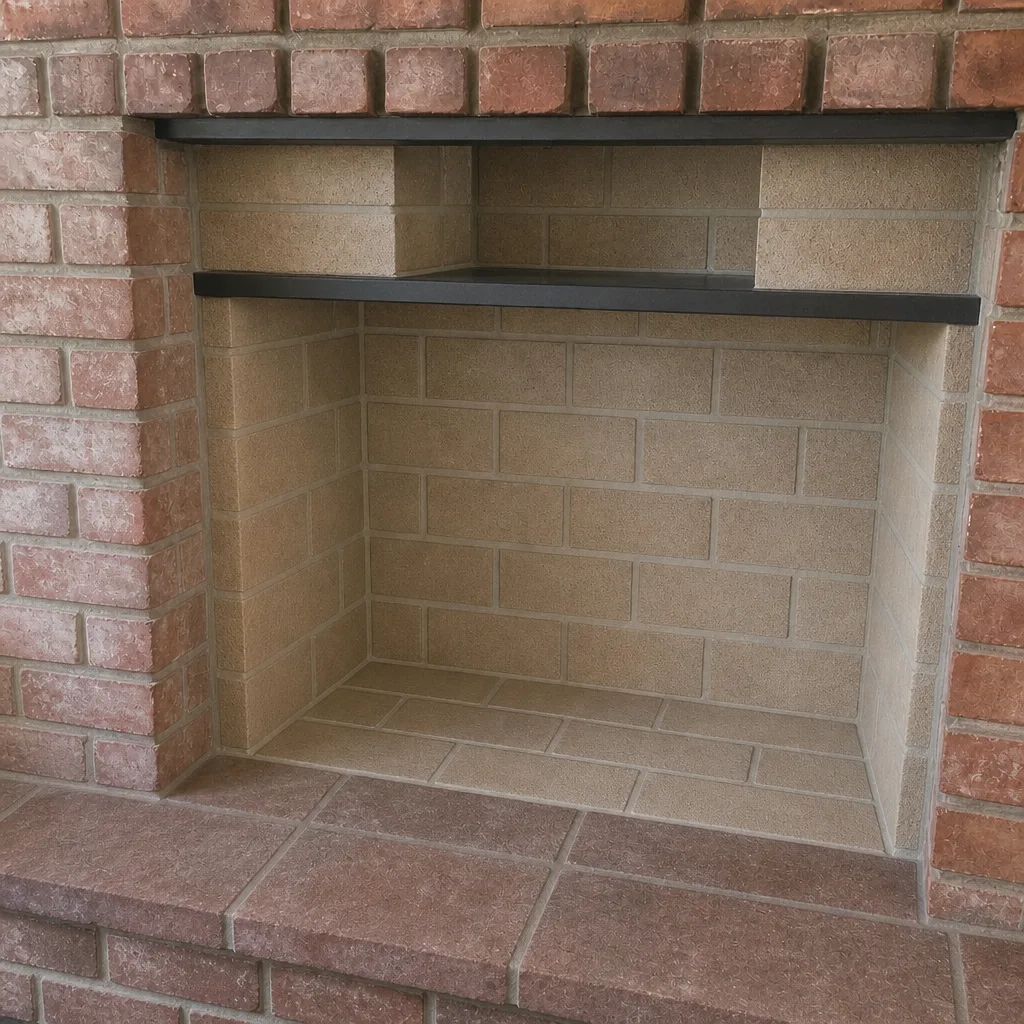
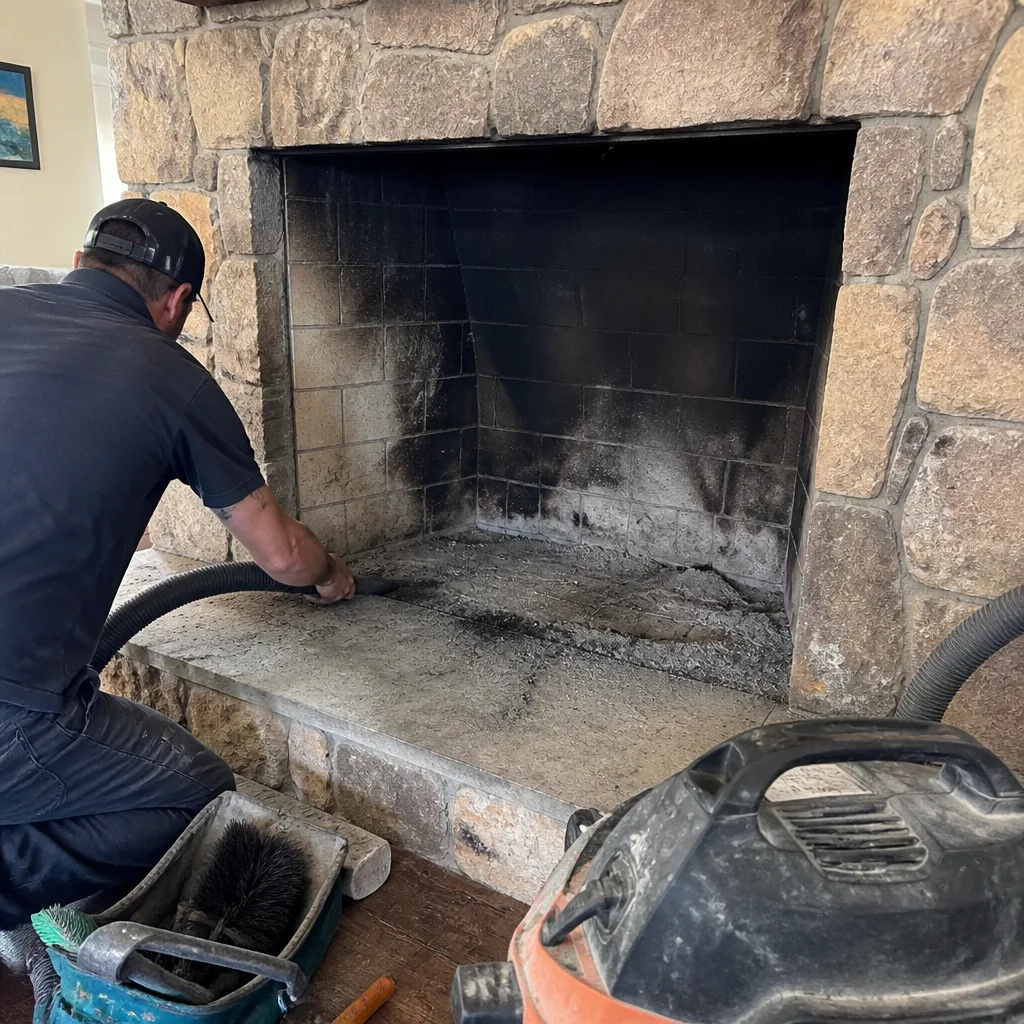
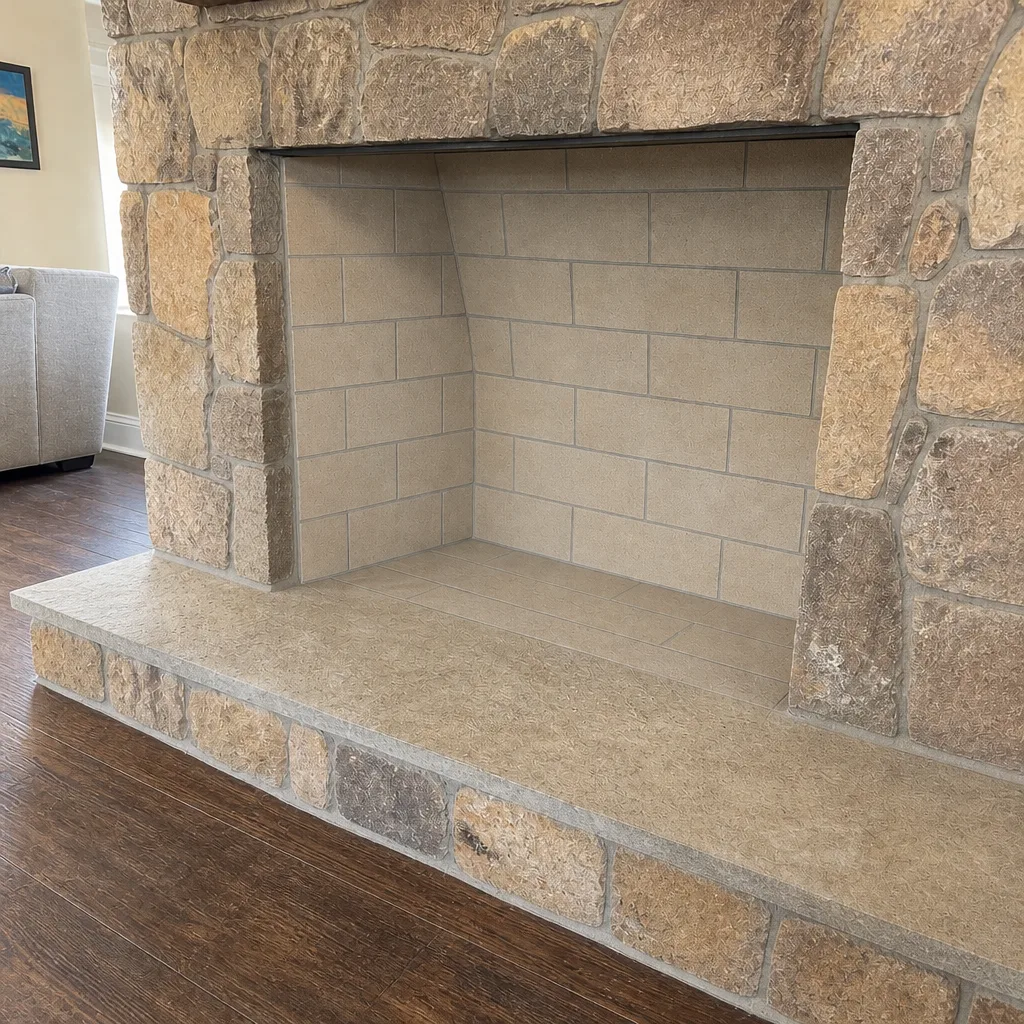
See the difference
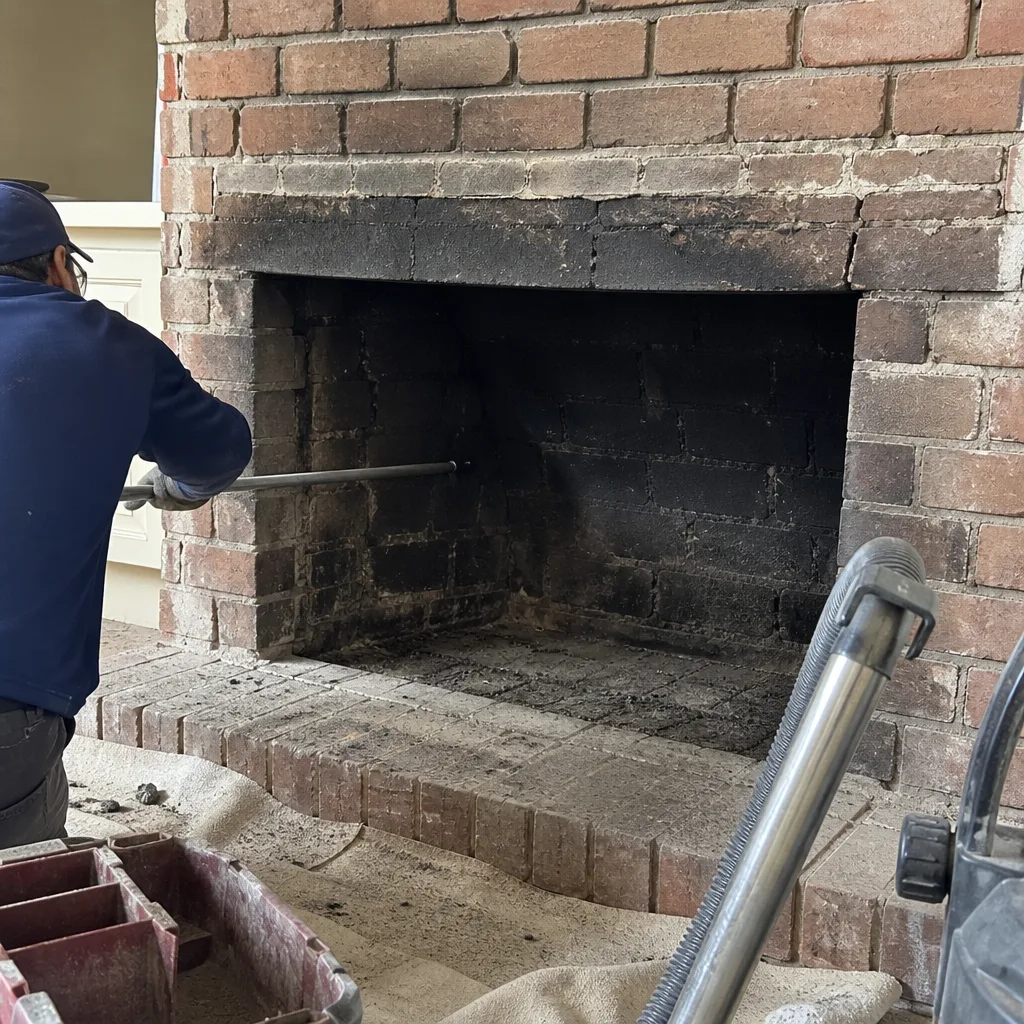 Before
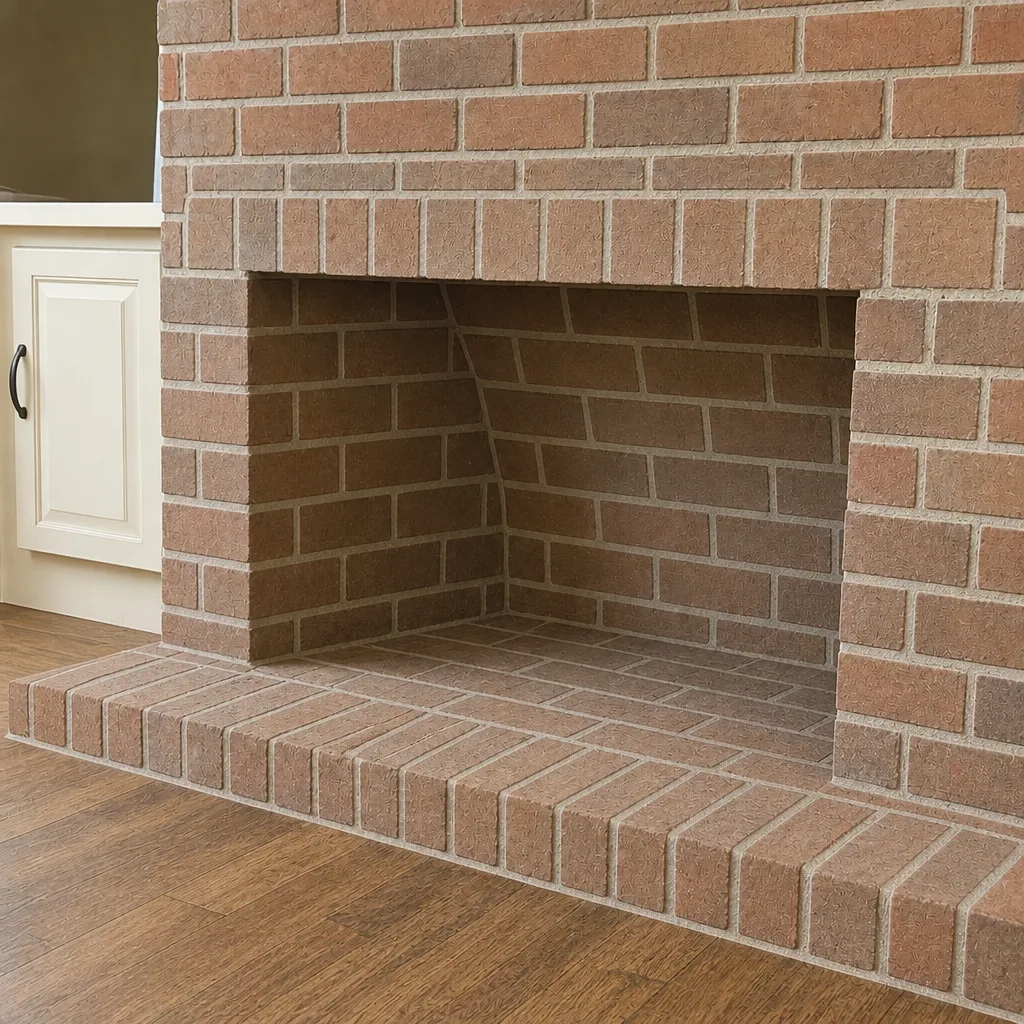 After
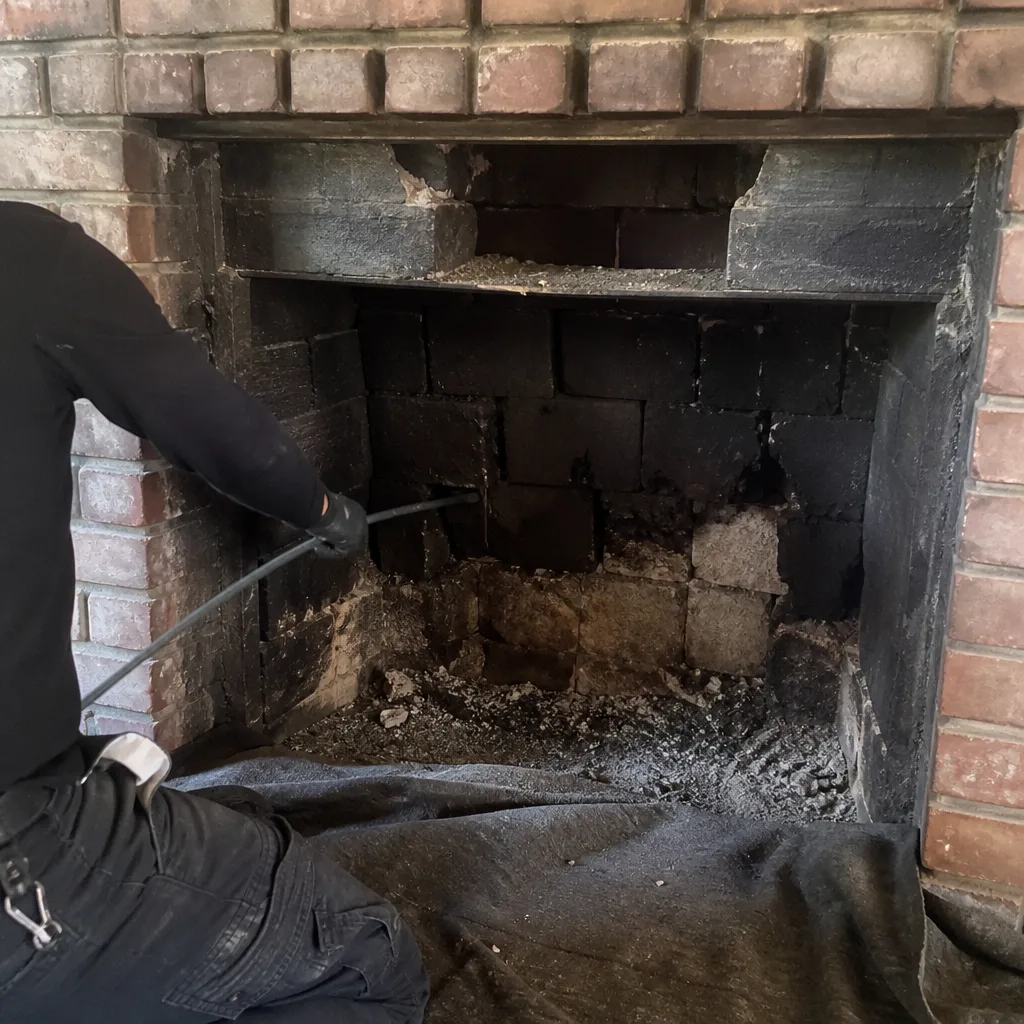 Before
 After
 Before
 After
When to Call a Professional
Call us before the season starts if you’re using the fireplace for the first time in a new home, if it’s been more than a year since the last sweep, or if you’ve noticed smoke backing into the room, a lingering creosote smell, or a gas insert flame that’s running yellow instead of blue. Call the same day if a CO detector has alarmed, if the fireplace has been through a chimney fire, or if you smell combustion gas in the house. We use the same product lines professional chimney engineers specify – HeatShield, Gelco, Olympia Chimney, Famco, and DuraFlex – so anything we find can be fixed, not just written up and handed off. Glacier Chimney Sweep offers free estimates in St. George – call (877) 327-1971. We answer 24/7. Fast dispatch from 7am to 7pm, Sunday through Friday.
Frequently Asked Questions
Close the glass doors and damper, get everyone out of the house, and call 911. Do not spray water into the flue and do not try to get onto the roof. A chimney fire can travel into a wall cavity and reignite after the roar stops, so the fire department needs to check the chimney even if the fire appears out. Call (877) 327-1971 afterward for the inspection that has to happen before you burn again.
You usually can’t tell without instruments, which is why a working CO detector near the appliance matters more than anything else. Secondary clues include a yellow or orange flame where you’d normally see blue, soot on the glass, or a headache that improves when you leave the room. If you suspect a leak, shut the appliance off and get the flue and heat exchanger inspected before using it again. Call (877) 327-1971 to book that inspection.
One in the room with the appliance, one in or just outside each sleeping area, one on any level of the home that doesn’t already have one, and one near the furnace and water heater if they share a flue. Test them monthly and replace the sensing element on the manufacturer’s schedule. Most homeowners have the hallway detector and nothing else.
Once per cord of wood burned, or annually at minimum, for a wood-burning fireplace. A gas insert needs an annual inspection of the appliance, liner, and termination. Homes new to you should get an inspection before the first fire, regardless of the home’s age. The right answer for your specific system comes from an inspection, not a calendar. Call (877) 327-1971 to schedule one.
Yes. Even a fire you believe was minor can crack a liner, damage the smoke chamber, or open a gap in the masonry that lets CO migrate into the house. The fireplace should be considered out of service until a professional has inspected the full flue with camera footage. We include camera inspection and a photo report with our work so you have documented evidence of the condition. Call (877) 327-1971 to book it.
That depends on your policy and on the documented condition of the chimney leading up to the fire, which is why maintenance records matter. Keep your sweep and inspection reports, photograph the appliance and exterior, and get the fire department’s report if 911 was called. We can work with your insurer and provide the written documentation and camera evidence a claim requires. For the inspection itself, call (877) 327-1971.
The Bottom Line
A chimney fire is the emergency you can hear. Carbon monoxide is the one you can’t, and in St. George’s tightly built homes, the quieter emergency is the one a maintenance schedule is really designed to prevent. Your prevention plan has three pieces: an inspection and sweep schedule matched to your specific system and burn volume, correctly placed CO detectors near the appliance as well as the bedrooms, and a camera-verified inspection before the fireplace is used again after any incident. Everything else – HeatShield resurfacing versus a full reline, a new cap to solve a downdraft, a dryer vent cleaned alongside the chimney – comes from what the inspection actually finds, and you should be able to see the same footage we do before you decide.
Call (877) 327-1971 for a free estimate. We answer 24/7. Fast dispatch from 7am to 7pm, Sunday through Friday. You can also start with Glacier Chimney Sweep to see all three of our service categories in one place – chimney sweep, chimney repair, and dryer vent cleaning.
Written by the team at Glacier Chimney Sweep.