
Last updated November 15, 2026
 Sweep & inspection
 Caps & crowns
 Flue relining
 Masonry repair
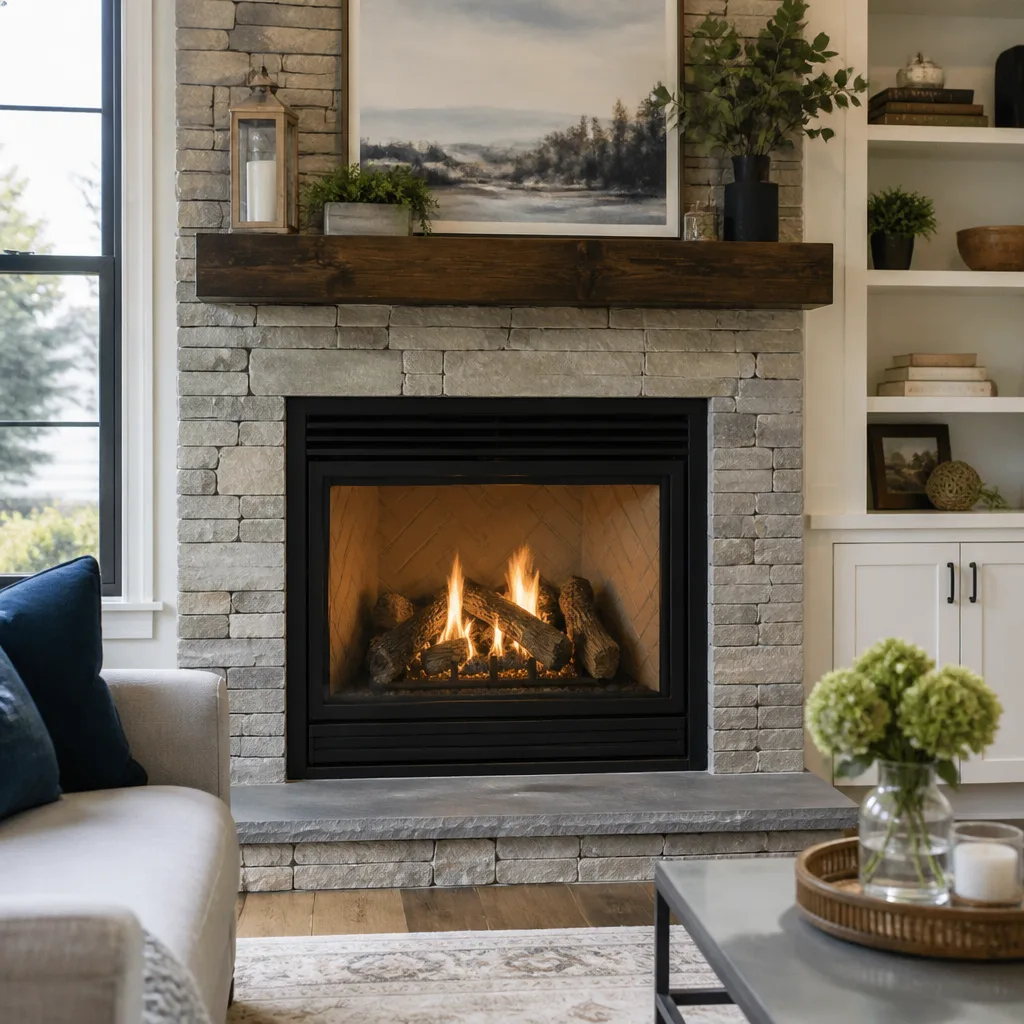 Gas fireplace service
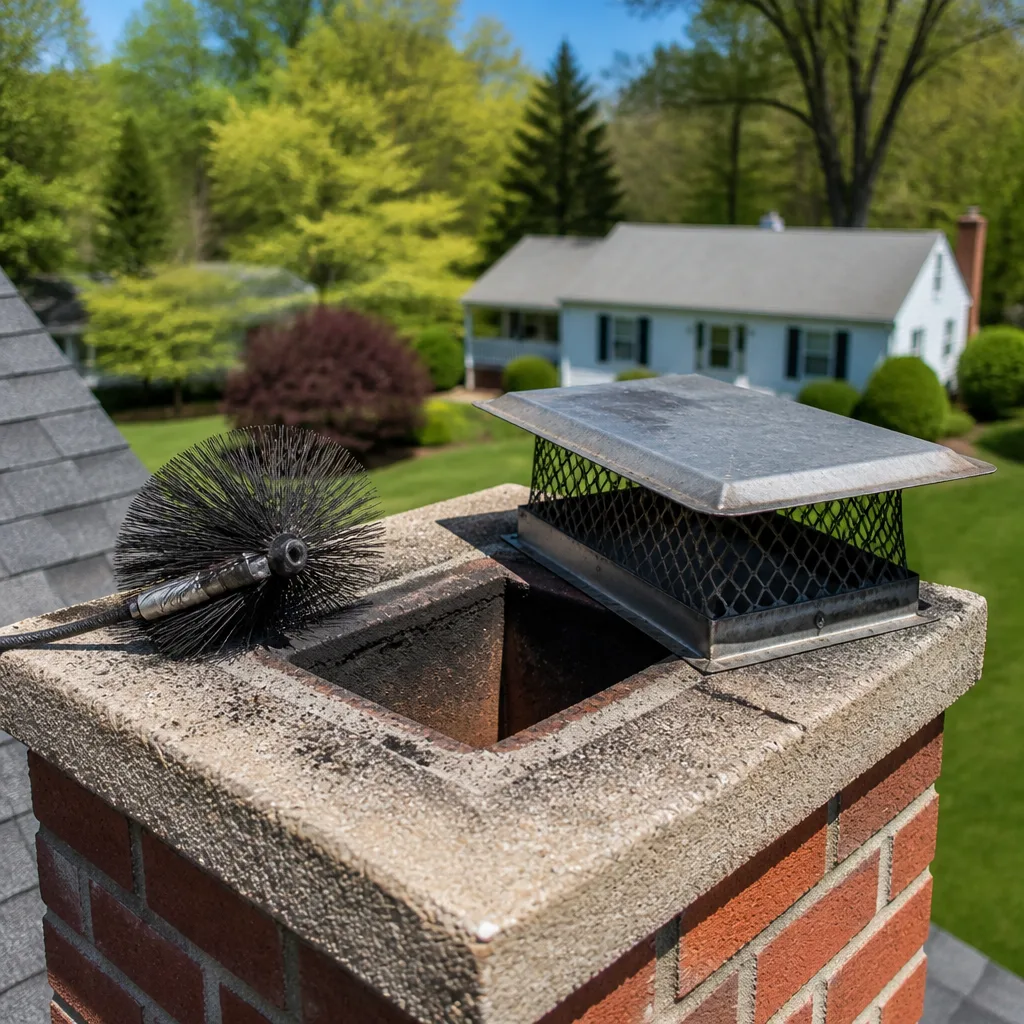
Level 1 sweep and inspection to the NFPA 211 annual standard - flue, crown, cap, and flashing checked and photographed
Chimney sweep logs do not sweep chimneys. They loosen some creosote - which then falls where a brush and vacuum still have to collect it.
Chimney Sweep Troubleshooting in St. George: Common Problems and How to Fix Them
If you’ve had your chimney cleaned three times in five years and smoke still backs up into the room, the sweep isn’t the problem – the diagnosis is. Most homeowners assume a dirty flue causes every chimney complaint, but in our experience across St. George, the majority of recurring smoke, odor, and draft problems trace back to structure and pressure, not soot. A sweep clears creosote; it doesn’t fix a short flue, an oversized firebox opening, a cracked liner, or a house that depressurizes every time the wind turns. This guide maps the symptoms you’re actually seeing to the mechanical causes behind them, explains how St. George’s high-desert wind creates draft problems that mimic liner damage, and shows you what a camera inspection reveals that a visual check can’t. By the end, you’ll know what you can safely handle and what needs a trained professional.
Quick Answer
Smoke coming into the house in St. George usually comes from one of four things: a flue that’s too short or too cold to establish draft, negative pressure inside the home pulling air down the chimney, a flue liner that’s cracked or misaligned, or a blocked or undersized flue. Cleaning alone fixes very little of it. You need a camera inspection that identifies which of those four is happening before you light another fire.
Styles & brands we work with
- Sweep & inspection
- Caps & crowns
- Flue relining
- Masonry repair
- Gas fireplace service
Table of Contents
- Symptom-to-Cause: A Troubleshooting Map
- How St. George Wind Creates “Fake Liner Damage”
- Cap Upgrade or Liner Repair? How to Tell the Difference
- What a Camera Inspection Actually Shows
- Odor, Staining, and Draft Complaints: What They Mean
- The Troubleshooting Decision Tree
- The Other Venting Problem Homeowners Overlook
- Common Mistakes to Avoid
- When to Call a Professional
- Frequently Asked Questions
Symptom-to-Cause: A Troubleshooting Map
Chimney symptoms are specific, and they point to specific mechanical causes. When a homeowner describes “a bad draft” or “smoke smell,” we ask which symptom happens when, because a fire that smokes only on cold starts is a completely different problem from a fire that smokes every time the wind blows. Here’s how we break it down.
Smoke rolls out of the fireplace opening when you light the fire
That’s a cold-flue problem in most cases. The flue is full of cold, dense air, and the firebox hasn’t yet generated enough heat to move it. It usually clears in a few minutes. When it doesn’t clear, or rolls out every single time, you’re dealing with a flue that’s too short for the firebox opening, an unlined or damaged flue with poor internal geometry, or a house that’s depressurized by a running bath fan, kitchen exhaust, or the furnace. Smoke that rolls out continuously is not a “warm it up longer” situation.
Fire burns fine until the wind picks up
That’s a pressure symptom, not a cleaning symptom. Wind over a roofline creates turbulence, and a chimney that terminates in the wrong spot relative to the ridge or a neighboring structure will pull air down instead of pushing it up. We see this often on St. George homes built close to the red rock ridges and on lots where a taller structure sits upwind.
Smoke smell when no fire is burning
That’s usually a return-draft problem: the house is under negative pressure and the chimney is the easiest place for outside air to enter. A dirty flue makes the smell stronger, but the underlying cause is pressure.
Water staining or rust on the firebox
That’s a chase or crown issue, not a draft issue. Water enters from the top, runs down the flue interior, and leaves stains. It also degrades the liner over time.
Slow, lazy fire that never really gets going
Often a wood-quality or air-supply problem, but also worth checking that the flue isn’t partially blocked by a bird nest or a fallen tile. This is the one case where cleaning and inspection do most of the work.
Our technicians have up to 12 years of experience reading these symptoms, and the pattern matters more than any single sign.
How St. George Wind Creates “Fake Liner Damage”
St. George sits in a high-desert basin where daily temperature swings and canyon-channeled wind regularly create negative pressure events around homes. When the wind comes over the ridge and drops across the roofline, it can pull air up and out of a chimney that was drafting fine ten minutes earlier. Homeowners feel that as smoke puffing back into the room and conclude the liner is cracked or the chimney is failing. Most of the time it isn’t.
The difference is timing and consistency. Liner damage produces symptoms that are steady: smoke smell on still days, staining that spreads, a fire that’s given up on drafting. Wind-driven negative pressure produces symptoms that come and go with the weather. A chimney that drafts fine on a calm morning and misbehaves on an afternoon with a westerly wind is telling you about pressure, not about a broken liner. The test is straightforward, and any trained technician can run it: watch the fire under calm conditions, then watch it during a wind event, and compare.
This matters because liner replacement is real work, and we don’t want to sell you one when you need a different fix. A chimney cap with the right design and height can solve more wind-related draft complaints than people expect. If a camera inspection shows a sound liner and the symptoms are wind-dependent, that’s the honest answer. If the inspection shows damage, a flexible liner from DuraFlex or Olympia Chimney installs cleanly, and we carry those systems so the fix doesn’t sit waiting on a special order.
Cap Upgrade or Liner Repair? How to Tell the Difference
This is the fork in the road most homeowners stall on, and it’s the one that determines whether your fix costs a small amount or a significant one. The rule we use: if the chimney drafts correctly under calm conditions and the fire is clean-burning, the problem is above the flue and a cap or crown fix is likely enough. If the chimney misbehaves under calm conditions or the fire is smoky and slow, the flue interior is the suspect.
- Cap upgrade territory: smoke or downdraft only during wind, a missing or rusted-out cap, a cap that’s too low or the wrong design for the local wind pattern, debris in the flue that a cleaning clears.
- Liner repair or resizing territory: a liner that’s cracked, spalled, or improperly sized for the firebox, smoke on still days, a fire that never draws well, visible staining inside the firebox after rain.
- Both: plenty of St. George homes need a cap to address wind behavior and liner work to address an aging flue. Doing only one leaves a symptom in place.
Resizing is the fix people miss most. A flue that’s too large for the firebox loses heat on the way up and drafts poorly no matter how clean it is. A flue that’s too small for a large firebox opening can’t move enough air. The sizing relationship is measurable and any technician should be able to explain why a resize makes sense before recommending it.
For liners that are cracked but structurally intact, HeatShield ceramic resurfacing is a real option. It restores the liner interior without requiring a full reline in cases where conditions allow. If a full reline is what you need, we’ll tell you, and we’ll explain what the camera showed so the recommendation isn’t a guess.
What a Camera Inspection Actually Shows
A visual check from the firebox with a flashlight sees the first two or three feet of the flue. That’s the part of the liner least likely to fail and the least likely to be the source of a house fire. The failures that matter most happen in the middle and upper sections of the flue, where temperature cycling is hardest on tile and where water from a bad crown has been running. A visual inspection misses them.
A camera inspection runs a lighted camera down the full length of the flue and records what it sees. Here’s what it looks like in practice, step by step:
- Setup and access. The technician accesses the flue from the top and from the firebox, confirms the damper position, and checks that the firebox is clear.
- Full-length descent. The camera travels the entire flue, recording video and stills along the way.
- Reading the interior. We look for cracked tile joints, spalling, gaps between segments, mortar loss, misaligned sections, creosote glaze on the walls, nesting debris, and water staining that traces to a specific point.
- Documenting and reviewing. You see the footage. The evidence is your evidence. If we recommend repair, you can see the exact section that prompted it.
This is also the step that separates a cleaning visit from a diagnosis. A sweep clears what’s in the flue. The camera tells you what’s wrong with the flue itself. We think every homeowner should have both, and we can show you why before we’re paid anything. If you want to understand the difference between the two services, our page on chimney sweep work explains what a standard cleaning actually covers.
Odor, Staining, and Draft Complaints: What They Mean
Odor is the complaint that frustrates homeowners most because it’s hard to describe and easy to misdiagnose. Creosote has a strong, acrid smell when the weather warms up, and if the flue is glazed, that smell travels through the house. But creosote isn’t the only source. A negative-pressure house pulls chimney smell back into living space, and the fix for that is air balancing, not more cleaning.
Here’s how to sort out what your symptom is telling you:
- Strong, sharp smell in warm weather: creosote glaze on the flue walls. Cleaning helps, and if the glaze is heavy, we’ll discuss what to do about the deposits beyond a standard sweep.
- Smell after rain: water is entering the chimney. Look at the crown, the cap, and the flashing on the roof.
- Smell that appears when exhaust fans run: pressure. The house is pulling air back down the chimney. That’s an air-balancing conversation, and it’s worth having before you carpet-clean the room again.
- Smell that gets worse in winter: cold air in the flue is pushing air backward when the chimney sits cold. Sometimes a top-sealing damper addresses it. Sometimes it’s the flue’s relationship to the house.
Staining runs on the same logic. Rust on the damper means water, not soot. Banded staining up the flue interior means water traveling down the liner. Water finds the weak spot, and the weak spot tells you where the repair goes.
The Troubleshooting Decision Tree
We use this decision tree to sort symptoms before recommending anything. It’s not a substitute for a camera inspection, but it will tell you which problem you’re probably looking at and whether it’s worth attempting yourself.
- Does smoke roll into the room only when you light the fire, then clear? Likely a cold flue. This is usually DIY-safe: pre-warming the flue with a lit roll of newspaper held near the damper is a standard trick. If it clears every time, you’re fine. If not, move to the next step.
- Does the problem track the wind? Likely a pressure or cap issue. Check for a missing, damaged, or undersized cap. Confirm that your bath and kitchen exhaust fans aren’t running when you light the fire. If the problem continues, it’s time for a technician.
- Does the chimney misbehave on calm days? Likely a flue issue. Camera inspection required. Do not attempt to inspect the flue interior yourself – the danger is not the camera; it’s the fall and the creosote exposure from a roof position you’re not trained to work from.
- Is the smell present without a fire? Likely pressure, creosote glaze, or water entry. Cleaning and a top-down inspection resolve the question. Not a DIY job once you’re on the roof.
- Is there staining inside the firebox or on the damper? Water entry from the top. Roof work. Get a professional on it before it damages the liner further.
- Is the fire smoky and slow, with no wind involvement? Likely an obstruction or a liner that’s the wrong size. Camera inspection required. Not DIY-safe.
Any step that lands on “get a professional” is there for a reason. Chimney work is height work on top of combustion work. Both are hard to do safely without training, and neither is worth saving the cost of an honest estimate.
The Other Venting Problem Homeowners Overlook
While you’re sorting out the chimney, it’s worth looking at the other venting system in your house that carries a fire risk. Dryer vents clog with lint the same way flues clog with creosote, and a clogged dryer vent is a common cause of appliance-related house fires. In our experience, most homeowners have never had their dryer vent cleaned and don’t know what a properly cleaned vent looks like. Lint that accumulates around the outside termination is visible; lint that accumulates inside the duct run is not, and that’s where the risk lives.
Two things make this worth acting on in St. George specifically. The dry climate means lint accumulates faster and with less moisture to weigh it down, and the typical duct runs in a home built along the valley range from a short straight run to a long, elbow-heavy path through a garage ceiling. The longer the run, the more places lint can lodge. A camera or rod inspection through the entire run finds the clogged sections a visual check at the termination can’t. Our dryer vent cleaning service covers the full run, not just the end you can see from the yard.
Doing both in one visit is why we handle chimneys and dryer vents under one company. Two venting systems, one call, one crew that knows the difference between a cleaning and a fix. If your dryer takes two cycles to dry a load or the outside flapper doesn’t move freely, that’s a signal worth acting on before the vent becomes an emergency. For a wider look at venting safety in the area, our guide to St. George homes explains what we check across both systems.
Common Mistakes to Avoid
- Treating every symptom as a cleaning problem. Cleaning clears soot and creosote. It doesn’t fix a short flue, a depressurized house, or a cracked liner. If the same symptom comes back after a sweep, the diagnosis was wrong.
- Accepting a visual-only inspection as a clean bill of health. The cracked tile segments most likely to cause house fires are in the middle and upper flue, which a visual check can’t see. Ask for camera footage, always.
- Blaming the wood. “Wet wood” and “bad wood” get blamed for a lot of chimney problems that are actually draft and sizing issues. Wood quality affects the fire, but it doesn’t cause smoke rollout on a calm day in a well-sized flue.
- Ignoring wind behavior as “just how it is here.” St. George’s wind is real, but heavy draft during wind events is a sign the cap or termination isn’t doing its job. It isn’t something you have to live with.
- Hiring a sweep who can’t repair. If a technician finds a deficiency and can only write it up and leave, you’re making a second call for the fix. Sweep and repair capability under one business avoids the runaround.
- Skipping the dryer vent because the chimney needed attention. Both venting systems carry fire risk. Fixing one and ignoring the other leaves half the problem in place.
- Chasing the cheapest quote on liner work. Liner materials matter, and so does the fit. Professional-grade liner systems from DuraFlex, Olympia Chimney, and Famco exist for a reason. The cheapest fix tends to be the one you redo.
When to Call a Professional
Call a professional when the problem is height work, combustion-related, or when the same symptom has come back after a cleaning. Call when you see smoke in the room on a calm day, staining in the firebox, or rust on the damper. Call when you’re on a new-to-you older home and no one can tell you the last time the flue was inspected. Call when the wind is the trigger and you’ve already checked the easy things – the cap condition and the exhaust fans running when you light the fire. None of these are scenarios where a homeowner should be up on the roof or opening the firebox to investigate further. Chamber and liner work is a trained job, and combustion safety doesn’t leave room for educated guessing. Glacier Chimney Sweep offers free estimates in St. George – call (877) 327-1971. We answer 24/7. Fast dispatch from 7am to 7pm, Sunday through Friday.
Frequently Asked Questions
Smoke coming into the room is almost always one of four things: a cold flue that hasn’t warmed up yet, negative pressure in the house pulling air down the chimney, a flue that’s too short or the wrong size for the firebox, or a damaged liner. The only way to know which one is a camera inspection. Call (877) 327-1971 for a free estimate – we’ll show you what’s happening inside the flue before recommending anything.
In most cases the wind is creating a pressure problem, not damage. A chimney that drafts fine on a calm day and misbehaves during wind events is telling you the cap or termination isn’t handling the local wind pattern. Liner damage shows up on calm days too, and the pattern of when the symptom happens is the fastest way to tell the difference. Call (877) 327-1971 and we’ll book a camera inspection to confirm.
If the chimney drafts correctly on calm days, a cap upgrade often solves the problem. If it misbehaves on calm days, the flue is the suspect and a camera inspection will show whether it needs resizing, HeatShield resurfacing, or a full reline. We’ll tell you honestly which one you need – call (877) 327-1971 for a free estimate.
Yes. A visual check from the firebox sees the first two to three feet of the flue. Cracks, spalling, misaligned tile joints, and water damage in the middle and upper flue are invisible from that angle. Camera footage shows the full length and gives you the evidence yourself. Every inspection comes with a recorded review so you can see what we see.
Chimney odor without a fire is usually creosote glaze on the flue walls, a negative-pressure house pulling chimney air back into the room, or water entering from the top. Those three causes need three different fixes, and finding out which one you’re dealing with is the first step. Call (877) 327-1971 for a free estimate.
Yes, if both are due. Chimneys and dryer vents are the two highest fire-risk venting systems in a home, and doing both in one visit avoids a second contractor. If your dryer takes longer to dry a load than it used to, or the outside flapper doesn’t move freely, the vent is worth checking alongside the chimney. Call (877) 327-1971 to schedule both.
Sometimes, but not usually if the symptom has been consistent. Cleaning clears soot and improves airflow in a clogged flue, which helps when the problem is an obstruction. It doesn’t fix sizing, pressure, or a damaged liner. If you’ve had the chimney cleaned more than once for the same symptom, the diagnosis is what needs attention, not the cleaning. Call (877) 327-1971 for a proper diagnosis.
We work with professional-grade product lines that chimney contractors specify: DuraFlex flexible liner systems, HeatShield ceramic resurfacing, Olympia Chimney, Famco, and Copperfield. These are the materials specified for a reason. We keep DuraFlex systems on hand so a liner replacement doesn’t sit waiting on special orders once the decision is made.
The Bottom Line
Most chimney problems in St. George aren’t cleaning problems. They’re structural, sizing, or pressure problems dressed up as dirty flues, and the fix is a camera inspection that identifies the actual cause before the next fire. Wind-driven draft complaints are usually solvable with the right cap; a liner that fails on calm days needs repair, resizing, or resurfacing. A visual check won’t tell you which one you have. A camera will. And the dryer vent is the venting risk most homeowners forget, so it’s worth checking in the same visit. If you’ve had the chimney cleaned and the problem came back, that’s the moment to stop sweeping and start diagnosing. Glacier Chimney Sweep handles chimney sweeping, chimney repair, and dryer vent cleaning under one call, and every recommendation comes with camera evidence you can see. Call (877) 327-1971 for a free estimate. We answer 24/7. Fast dispatch from 7am to 7pm, Sunday through Friday.
Written by the team at Glacier Chimney Sweep.
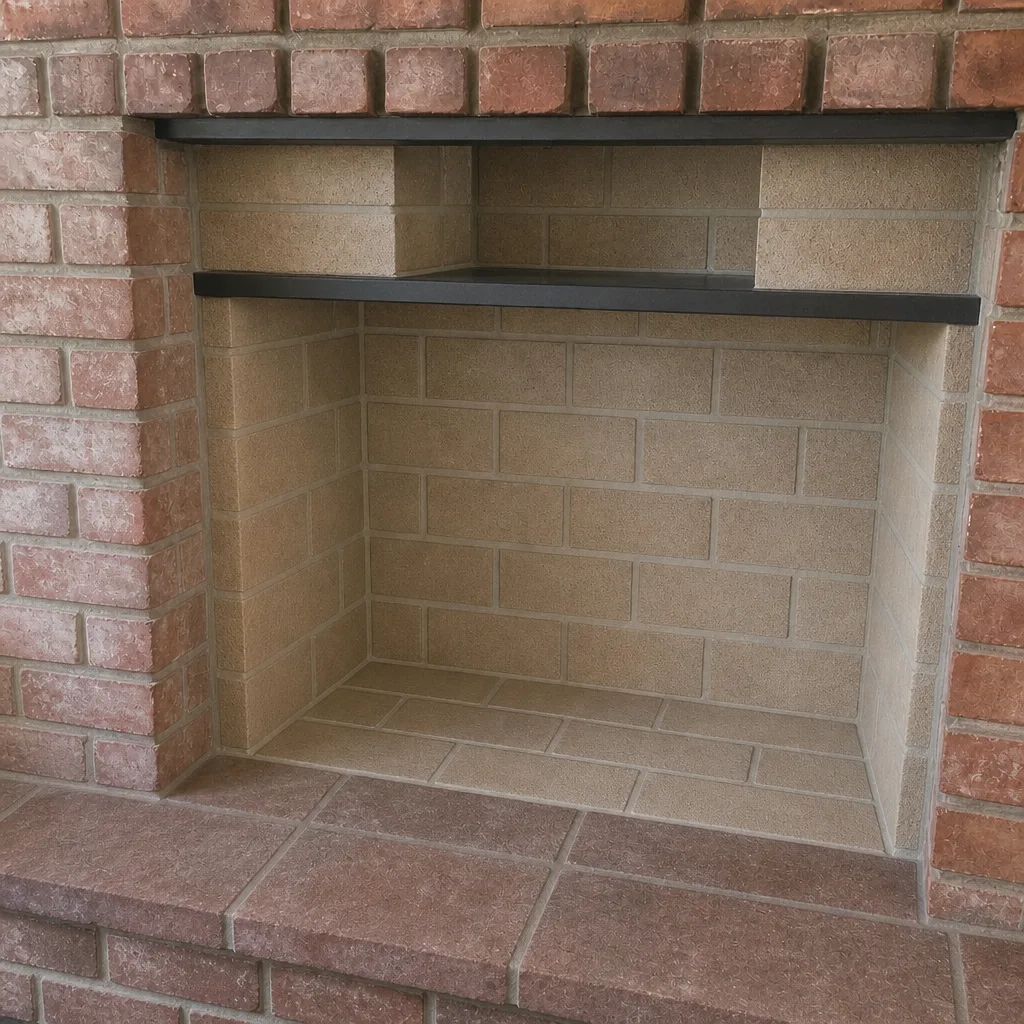
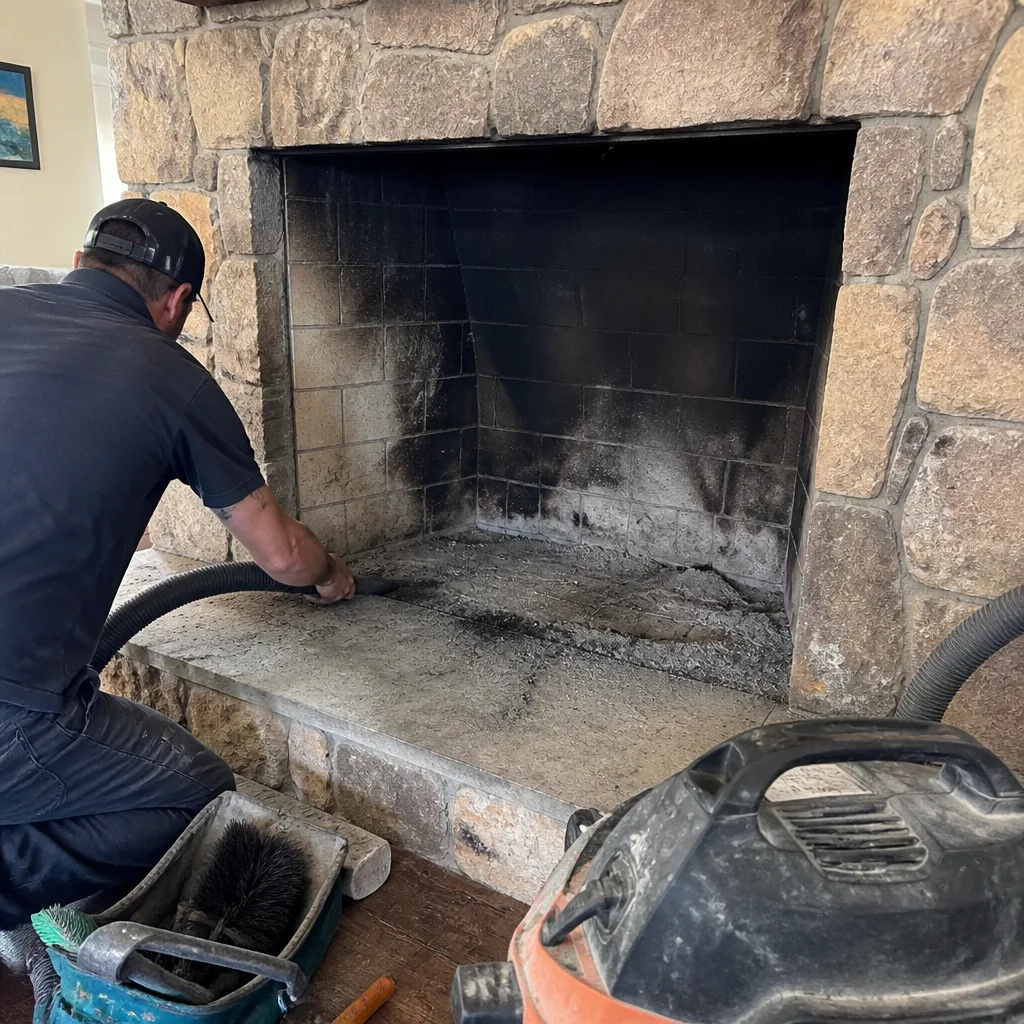
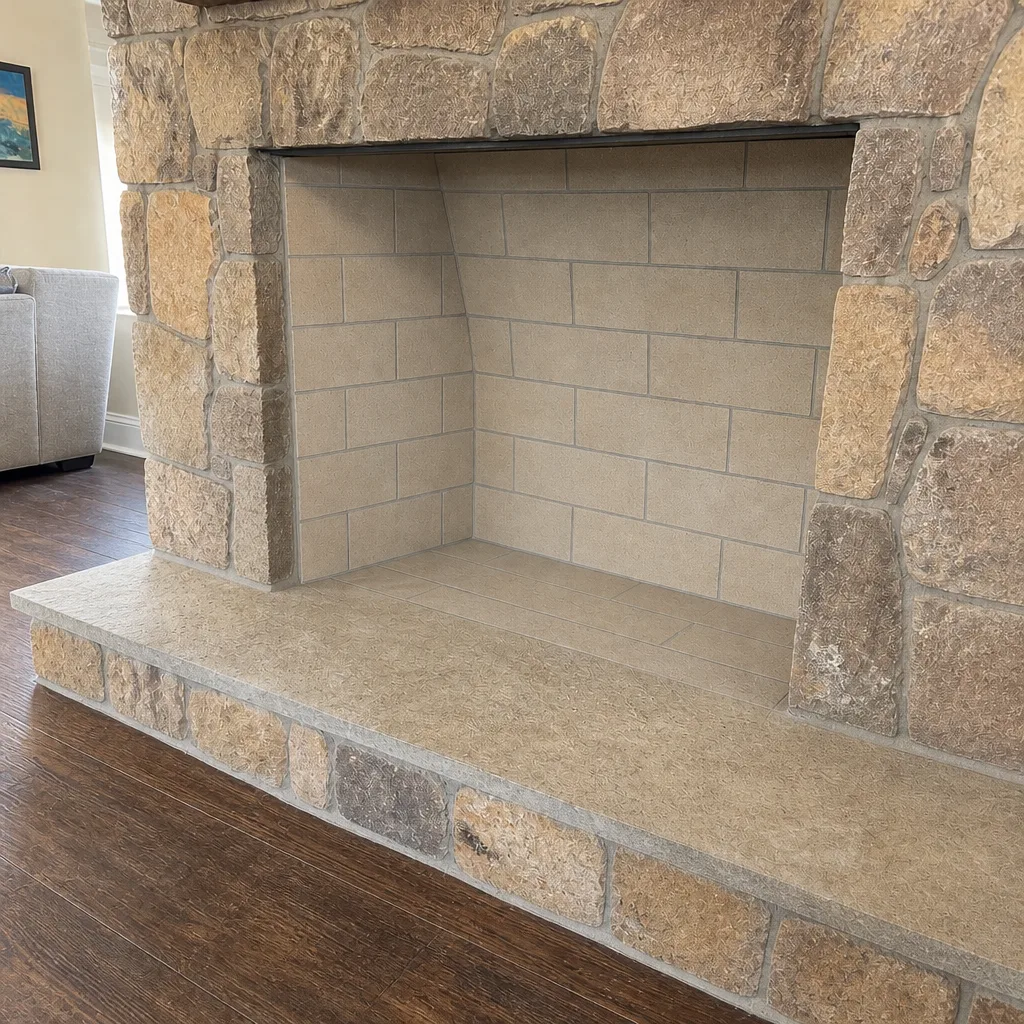
See the difference
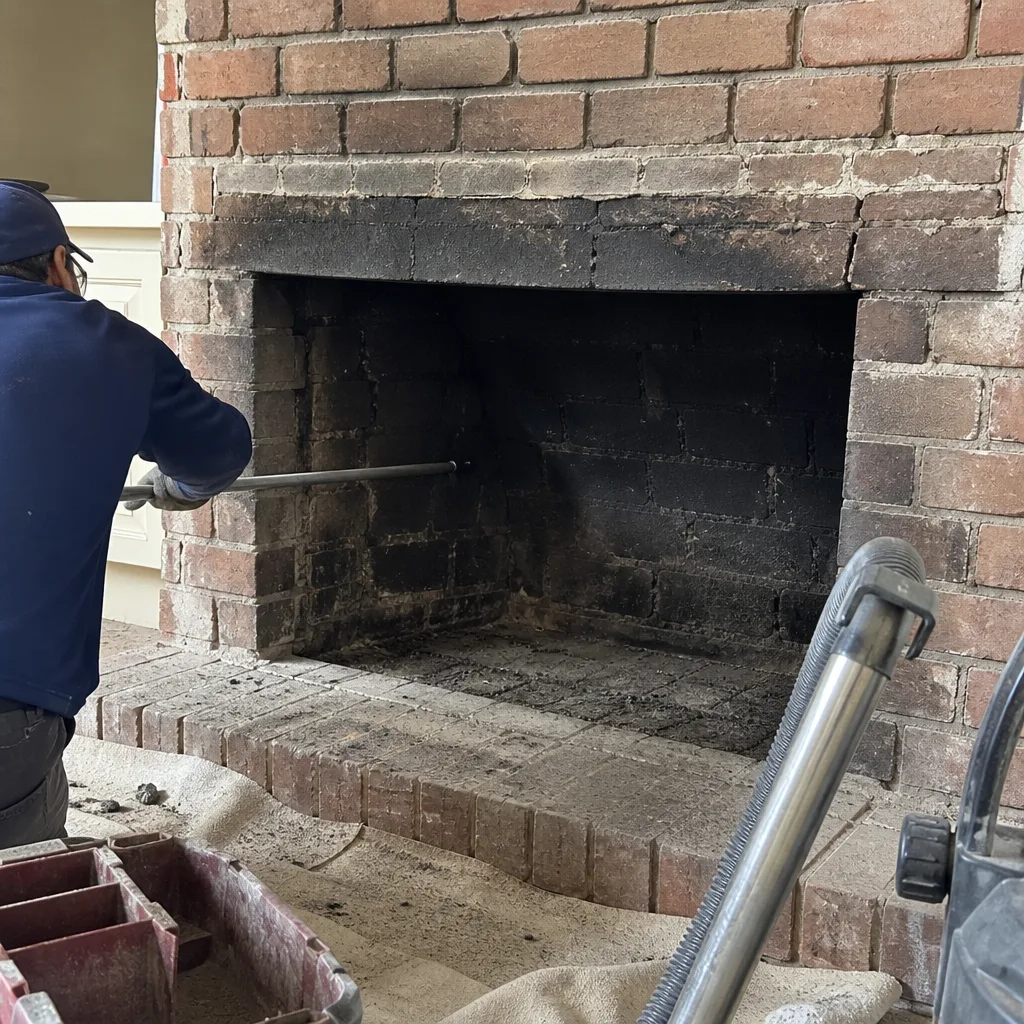 Before
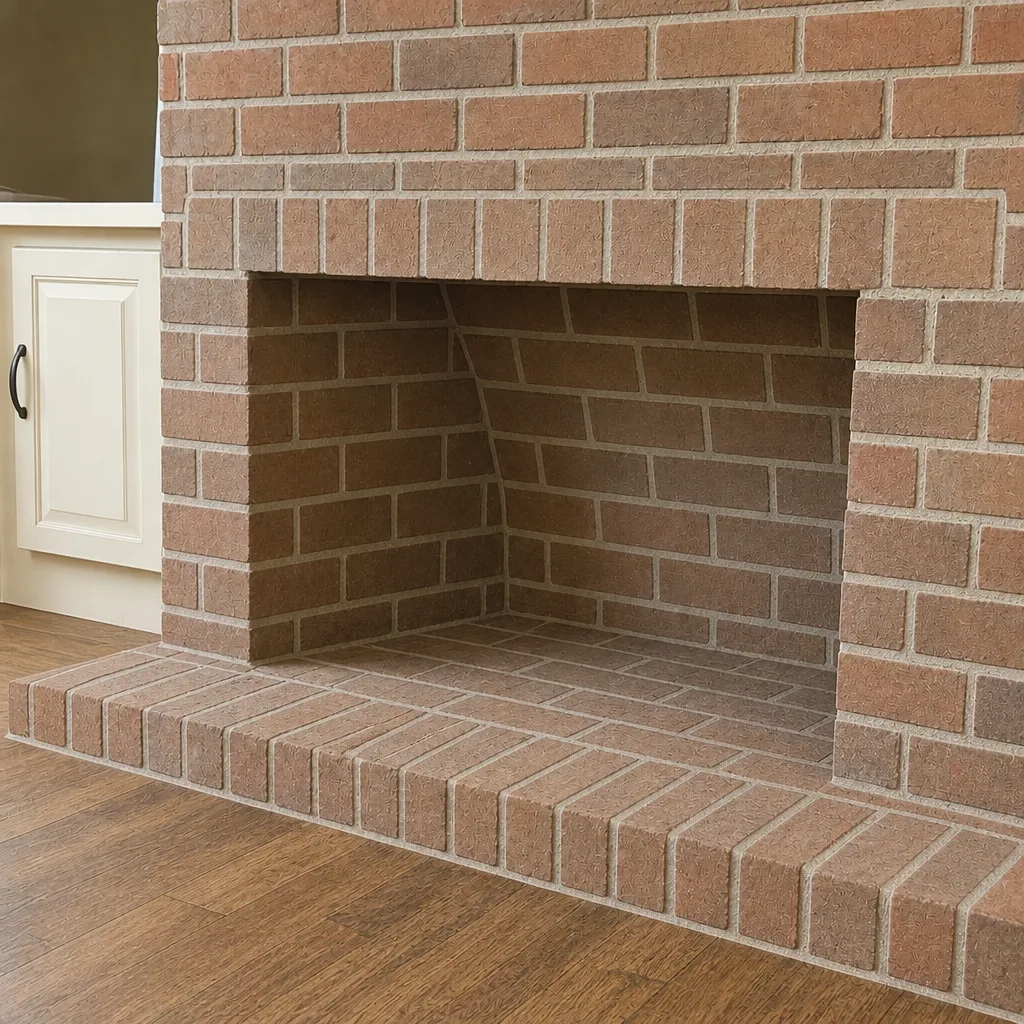 After
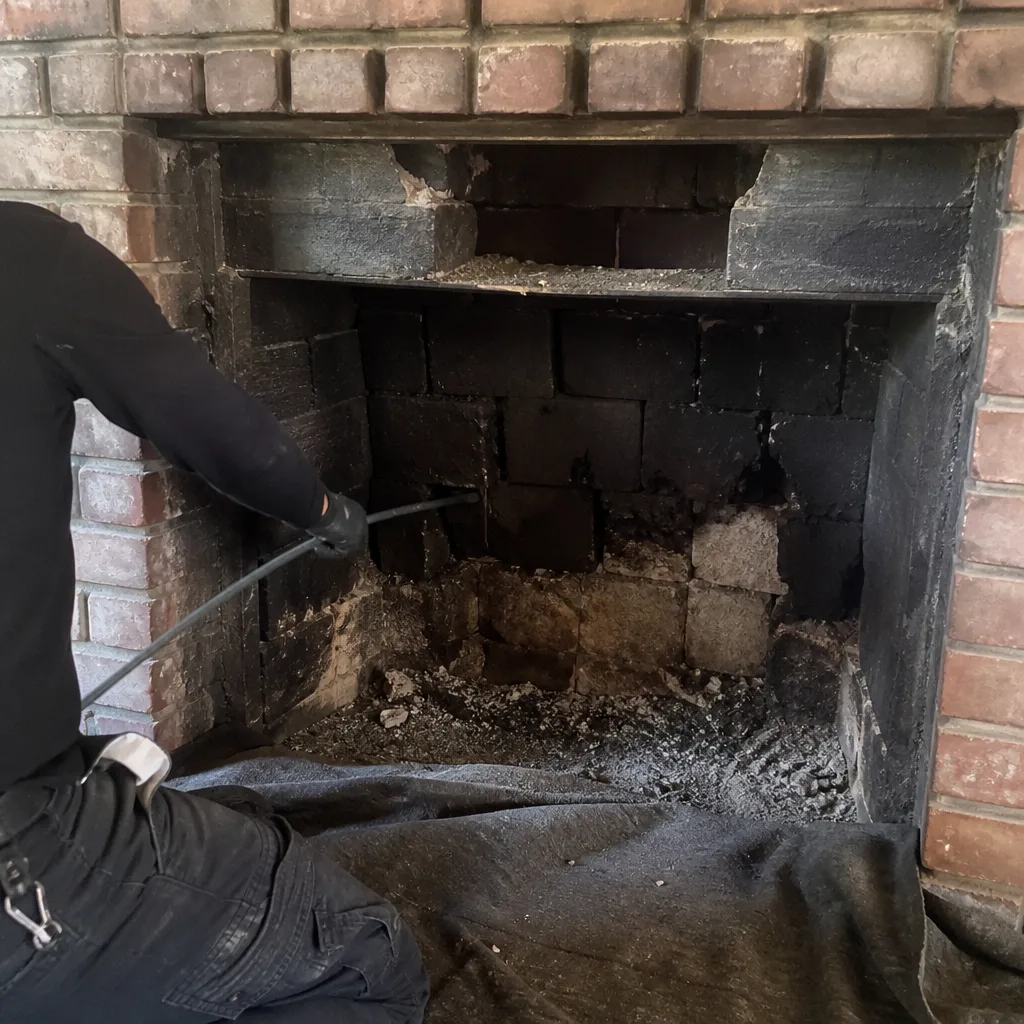 Before
 After
 Before
 After